Why Visit Osaka?
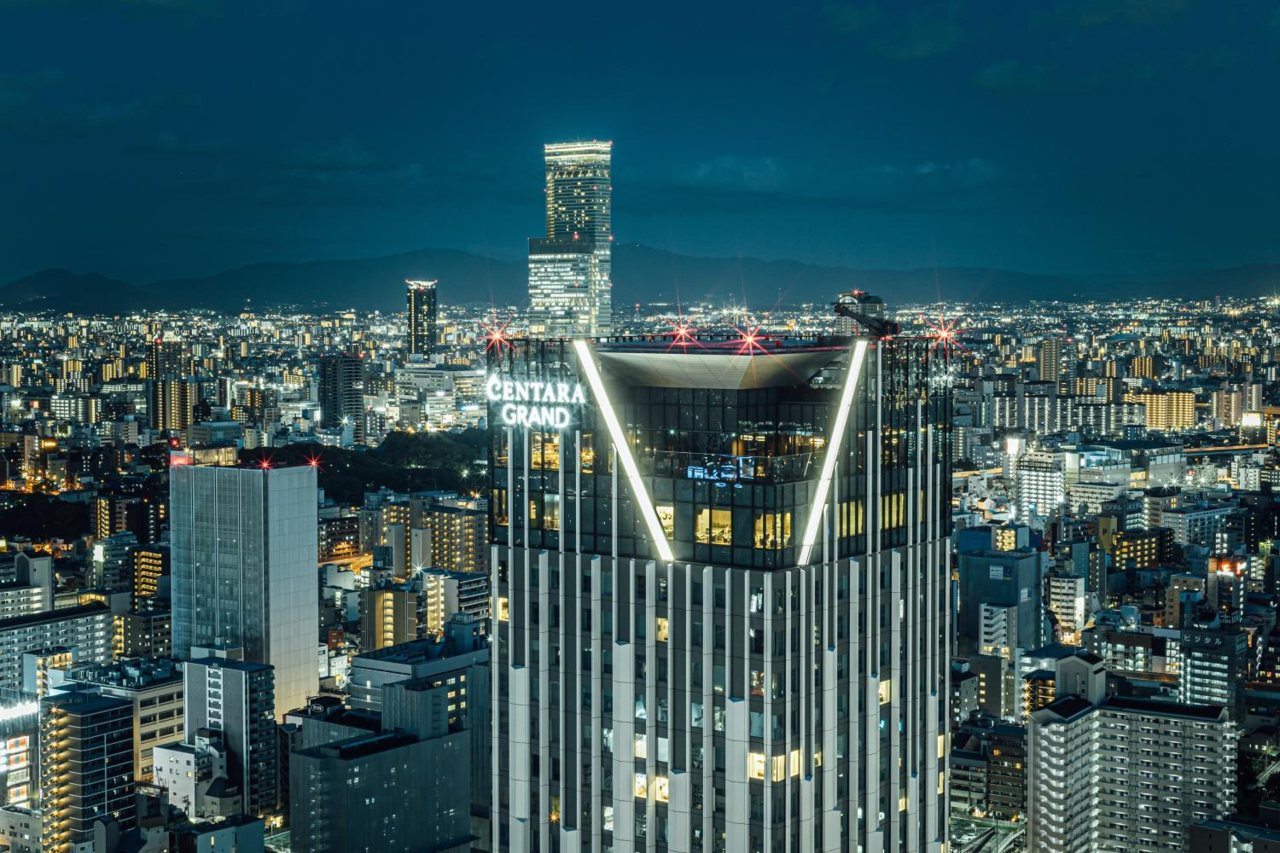
Osaka is Japan's third-largest city and its unofficial food capital, known for generations as tenka no daidokoro, the nation's kitchen. The local motto is kuidaore, roughly “eat until you drop,” and the city lives up to it: takoyaki griddles, okonomiyaki counters and deep-fried kushikatsu shops line streets that stay busy long after dark. Where Tokyo can feel polished and reserved, Osaka is louder, funnier and noticeably more relaxed with strangers, which many visitors find makes it the easier city to settle into.
It is also one of the best-placed bases in Japan. Kyoto is about 30 minutes away by rapid train, Nara and Kobe are both under an hour, and Himeji Castle is a straightforward day trip, so you can sleep in one hotel and see most of the Kansai region. Add Universal Studios Japan, a rebuilt Osaka Castle, the Kaiyukan aquarium and a nightlife scene that rivals Tokyo's for a fraction of the cost, and three or four days here goes quickly.
Getting Around Osaka
Osaka's transport is dense and easy to use. The Osaka Metro covers most of the city, with the Midosuji Line running north to south through Umeda, Shinsaibashi, Namba and Tennoji, while the JR Osaka Loop Line circles the centre and links the major rail stations. Private railways such as Hankyu, Hanshin, Keihan and Nankai fan out to Kyoto, Kobe, Nara and the airport. An IC card (ICOCA, or a Suica or Pasmo card from elsewhere in Japan) works on nearly everything and saves you buying a ticket for every ride.
From Kansai International Airport, the Nankai Rapi:t express reaches Namba in roughly 40 minutes, and the JR Haruka express runs to Tennoji and Shin-Osaka in about 50. For tourists who plan to hit several paid sights in a day or two, the Osaka Amazing Pass bundles unlimited metro and bus travel with entry to a long list of attractions and is worth pricing out against your itinerary.
Stand on the right side of escalators in Osaka and walk on the left, the opposite of Tokyo, where people stand on the left and walk on the right. It is a small local quirk that instantly marks you as a regular.
Top Attractions

Osaka Castle
A rebuilt 16th-century castle keep set inside a huge moated park, and the city's defining historic landmark.
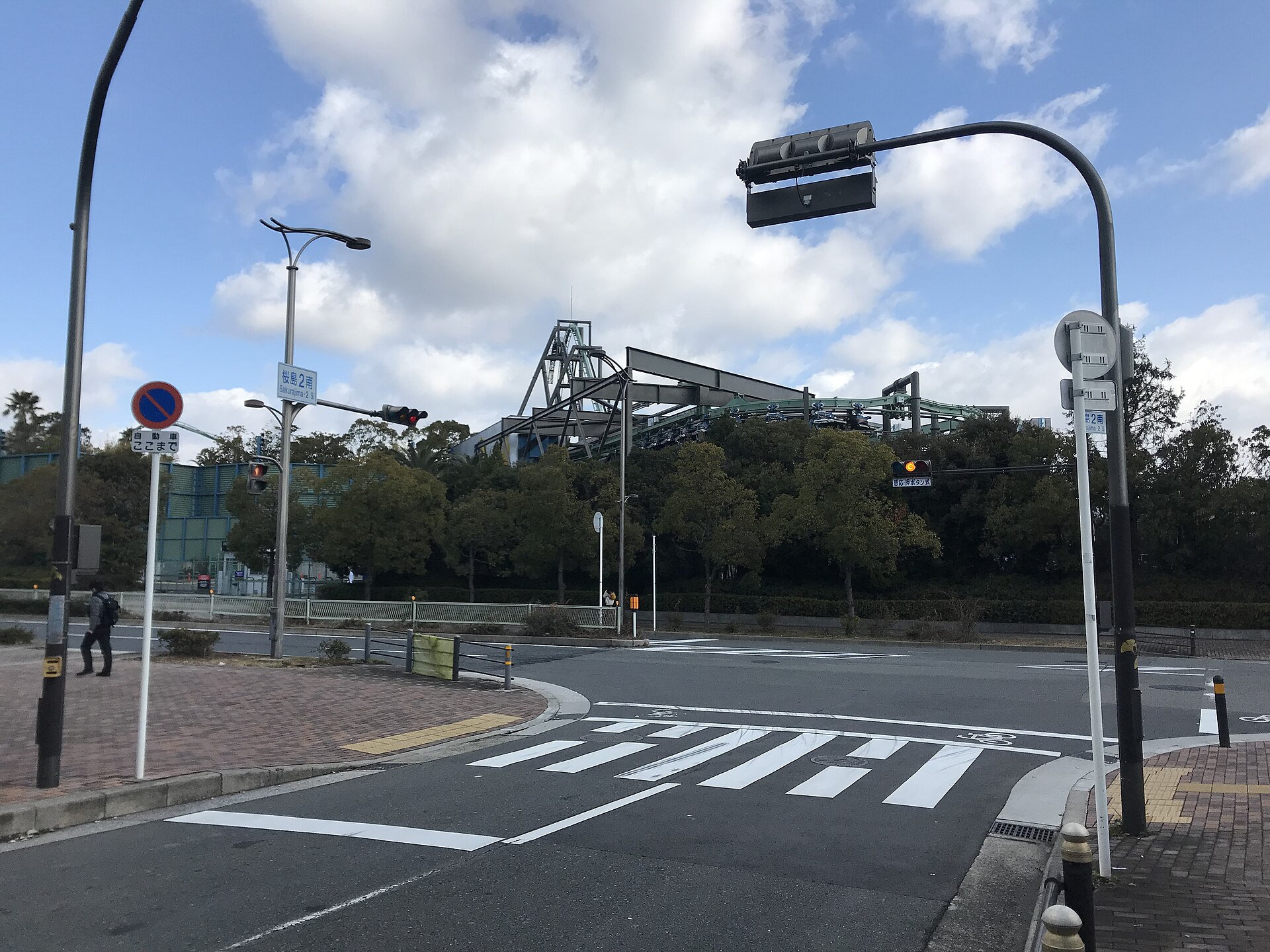
Universal Studios Japan
One of the world's busiest theme parks, home to Super Nintendo World and the Wizarding World of Harry Potter.
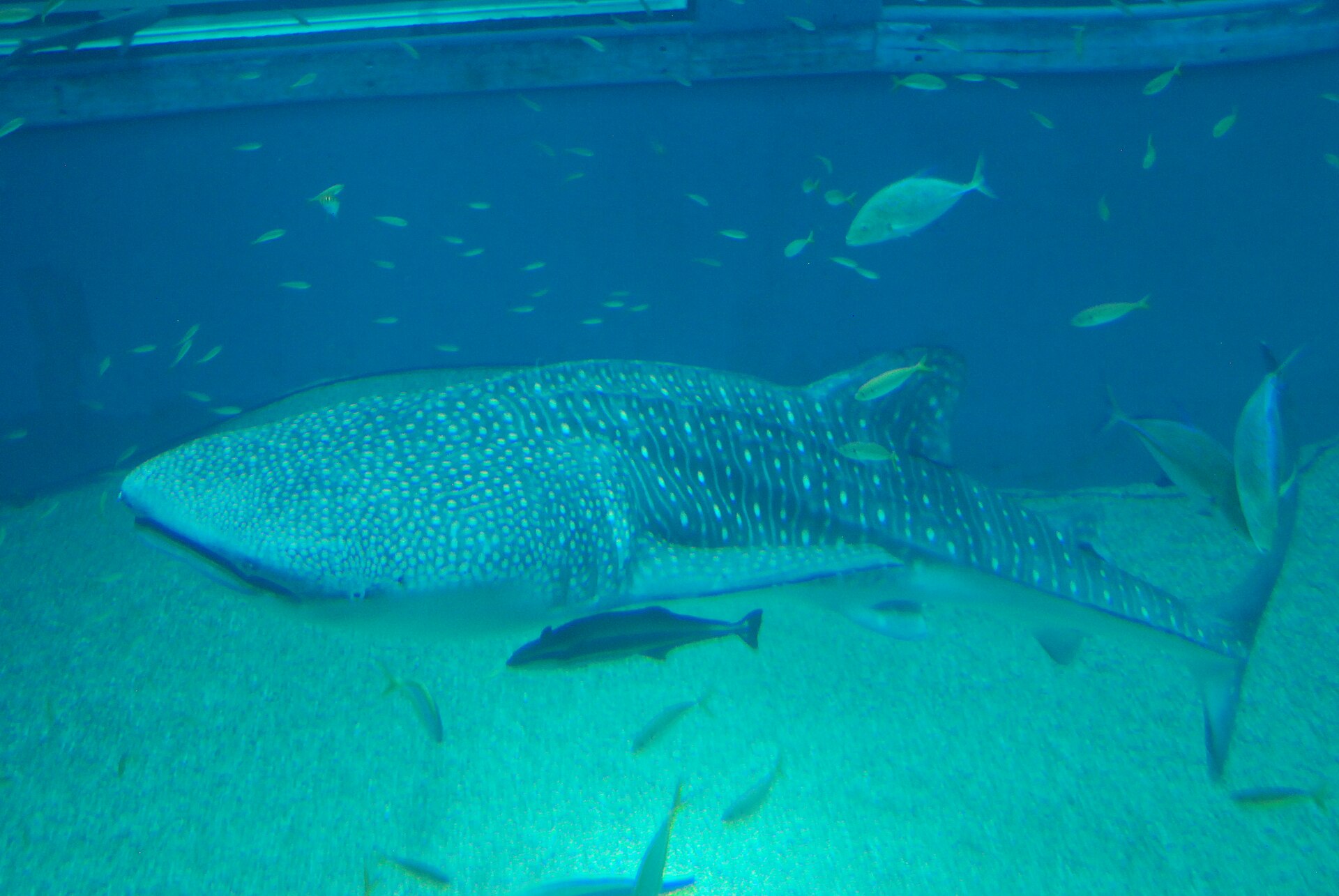
Osaka Aquarium Kaiyukan
One of the largest public aquariums in the world, built around a vast Pacific Ocean tank with whale sharks.
Where to Stay in Osaka
| Area | Best For | Avg. Price/Night |
|---|---|---|
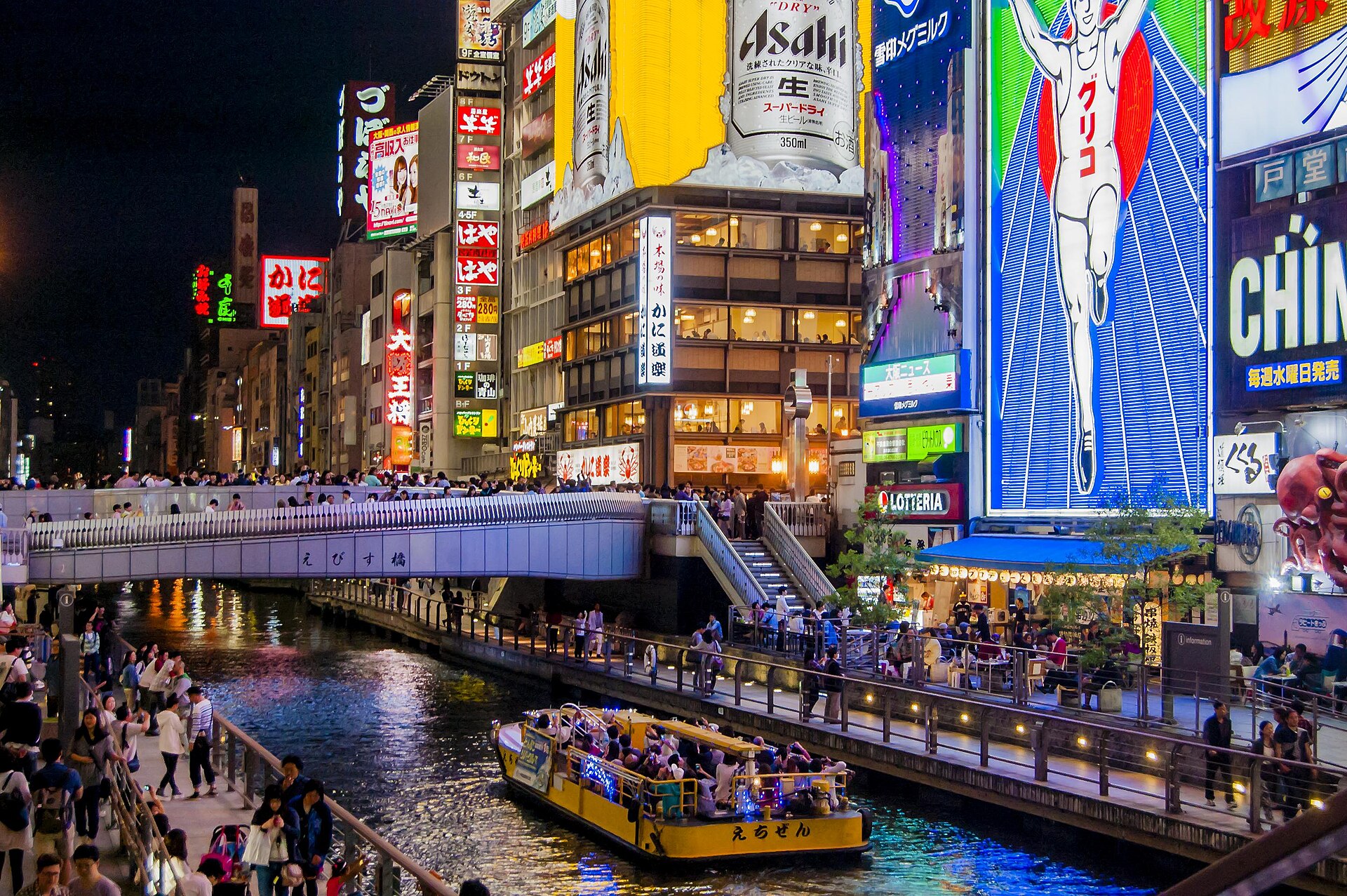
| Namba / Dotonbori | Food, nightlife, first-time visitors, easy airport access | $40–$250 |
| Umeda / Kita | Transport hub, shopping, business travelers, Shinkansen access | $55–$300 |
| Shin-Osaka | Bullet train connections, short stays, good-value business hotels | $45–$160 |
| Universal City / Bay Area | Theme park visits, aquarium, families | $70–$300 |
| Tennoji / Shinsekai | Budget stays, hostels, retro neighborhood atmosphere | $25–$110 |
What to Eat in Osaka
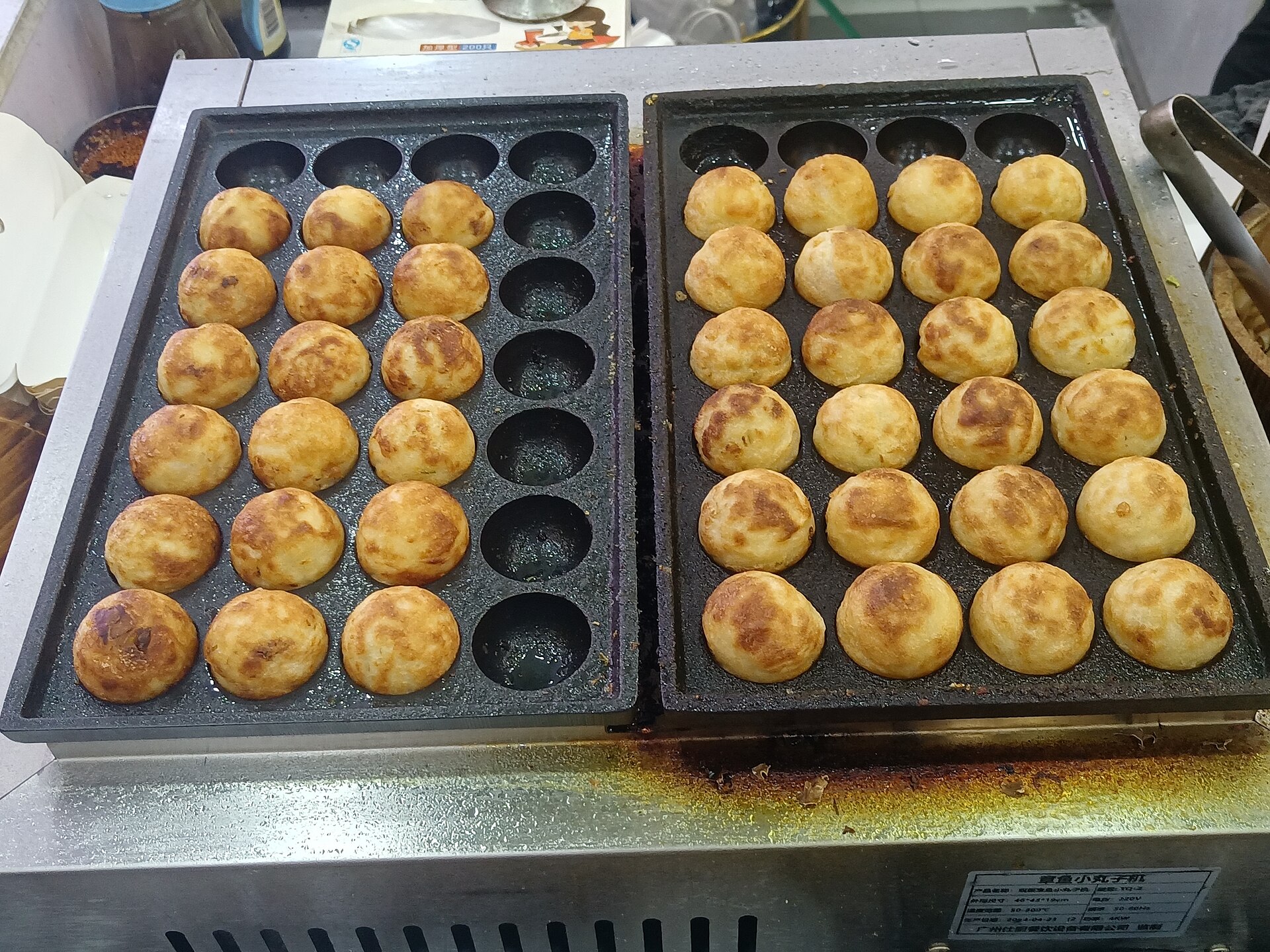
Takoyaki
Crisp-shelled batter balls filled with chewy octopus and topped with sauce, mayonnaise and bonito flakes, Osaka's signature street snack.

Okonomiyaki
A griddled savory cabbage pancake loaded with pork or seafood, cooked on a hot plate right at your table.
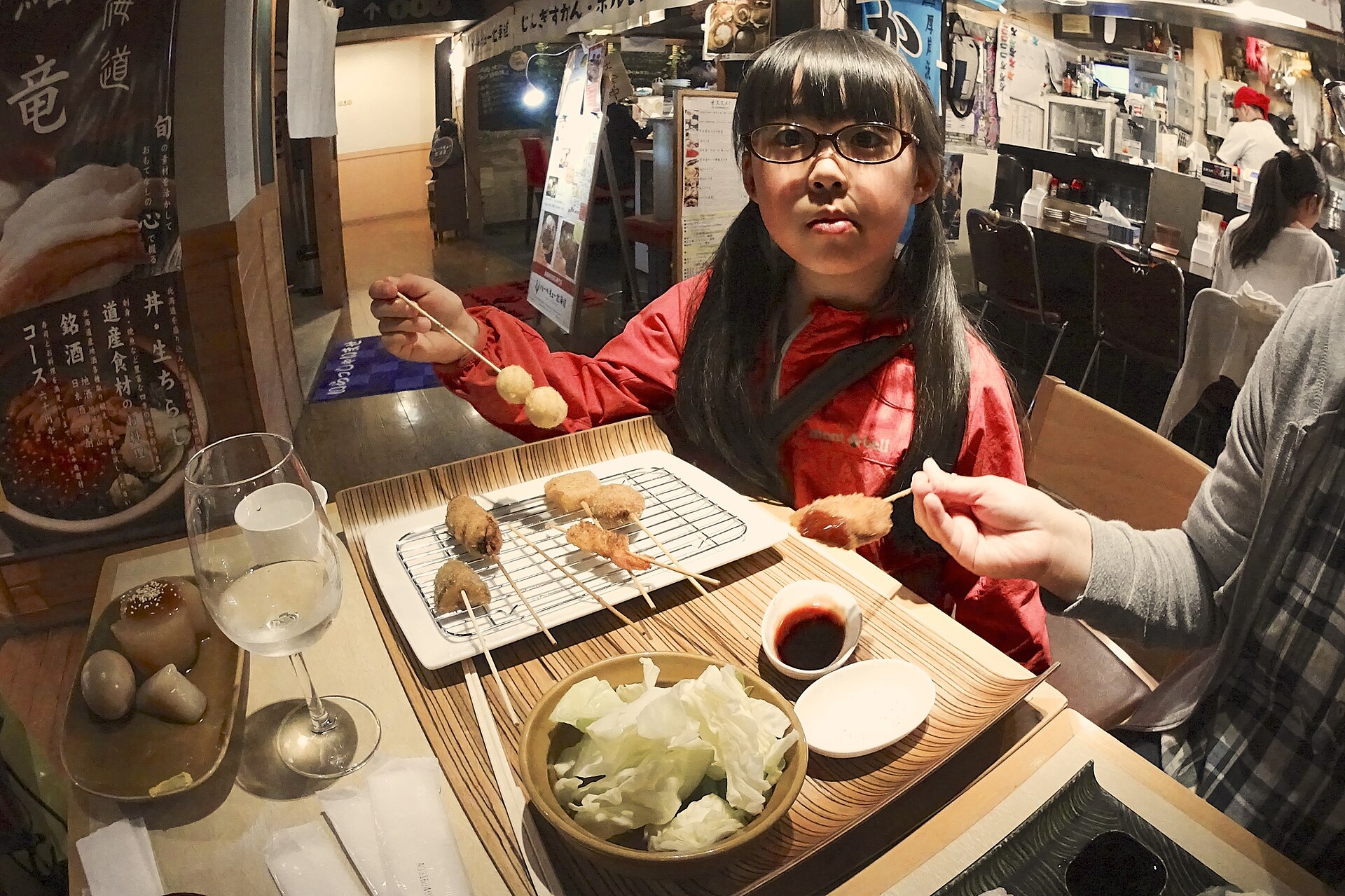
Kushikatsu
Breaded, deep-fried skewers of meat and vegetables dipped in a shared sauce, born in the Shinsekai district.
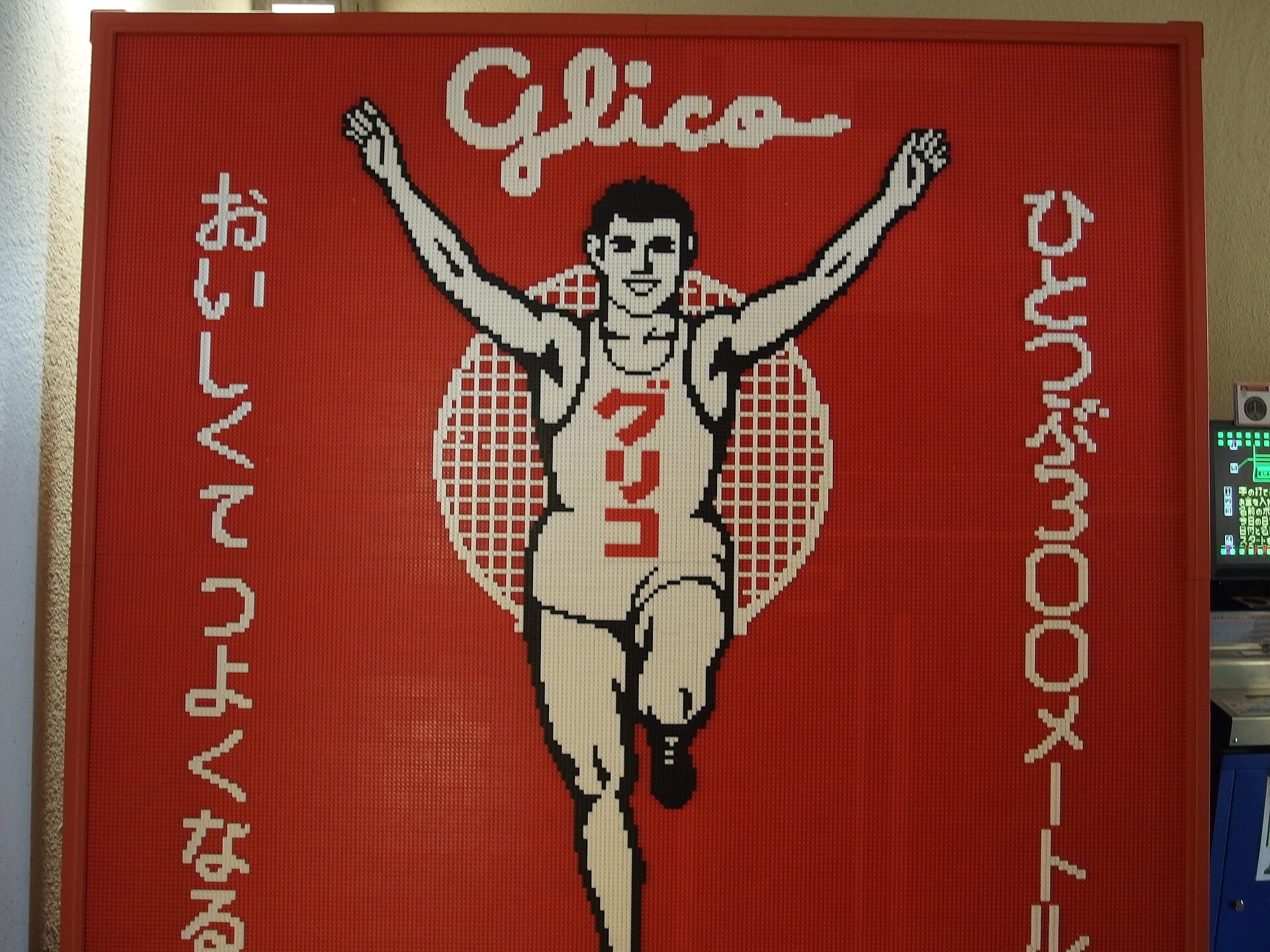
Follow the line, not the giant mechanical signs. The famous Dotonbori storefronts are fun and perfectly fine, but the best takoyaki and okonomiyaki are often at small neighborhood counters a few blocks away, where locals queue and prices run lower.
Travel Budget
| Travel Style | Daily Budget | What's Included |
|---|---|---|
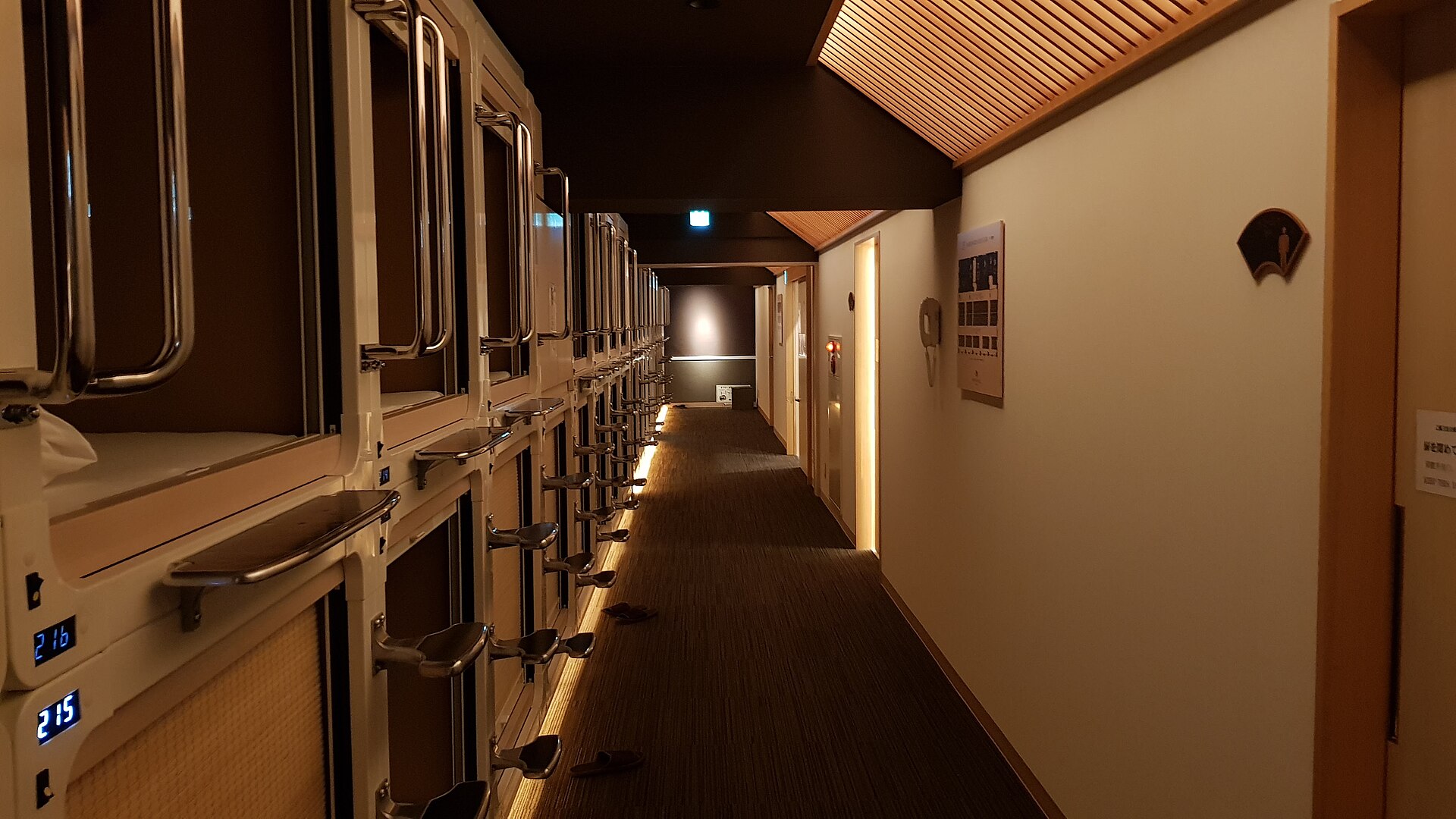
| Backpacker | $45–$70 | Capsule hotel or hostel, konbini breakfast, street food and set lunches, metro rides |
| Mid-Range | $110–$200 | 3 to 4-star hotel, sit-down restaurant meals, a couple of paid attractions |
| Luxury | $350+ | 5-star hotel, kaiseki or wagyu dinners, private transfers |
Look for teishoku lunch sets, which pair a main dish with rice, soup and sides for a fixed price that is often far cheaper than the same restaurant's dinner menu. Many tourist-area restaurants run them on weekdays.