Barceloneta: Barcelona's Beach, Seafood and Old Fishing Quarter
Explore Barceloneta's beach, narrow fishermen's streets, seafood restaurants and waterfront promenade, a short Metro ride from the old town.
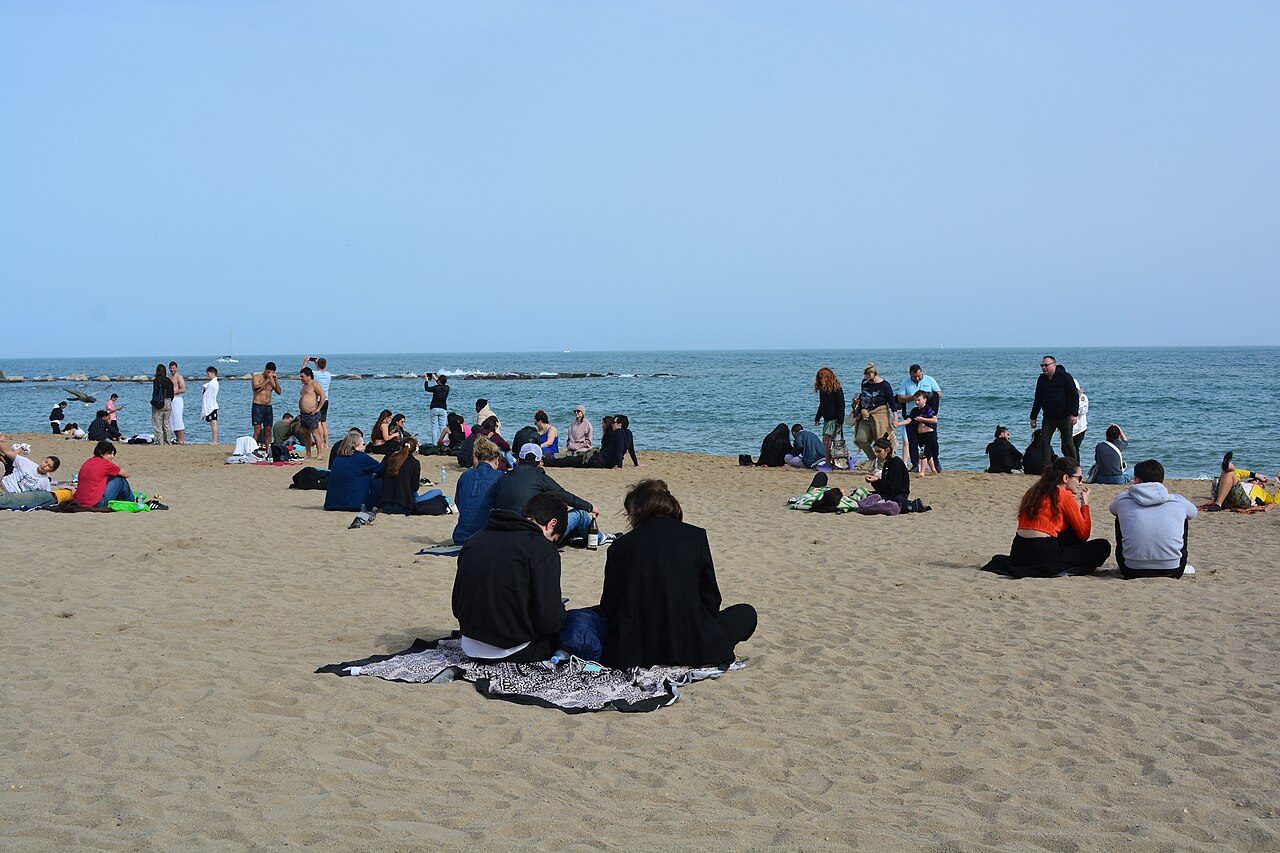
Barceloneta is the part of Barcelona that faces the sea, and it is where the city goes to swim, sunbathe and eat seafood. A triangular peninsula between the old port and the beach, it was built in the 18th century as a neighborhood for fishermen displaced from the old town, and it still has the tight grid of narrow streets, laundry hanging from balconies and corner taverns of a traditional fishing quarter. On one side is the Port Vell with its yachts and promenades, and on the other is a long, wide sandy beach, only fifteen minutes' walk from the cathedral.
The neighborhood's character is working-class and local, even as it has become a tourist hot spot. In the 18th century, the military engineer Juan Martín Cermeño laid out the streets in a rational grid of tall, narrow buildings, to house the people whose homes had been demolished to make way for the Ciutadella fortress. The tradition of small seafood taverns grew up here, and the area is credited with the invention of the bomba, a spicy potato croquette that has become a Barcelona classic. For many visitors, it is the city's most evocative neighborhood after the old town.
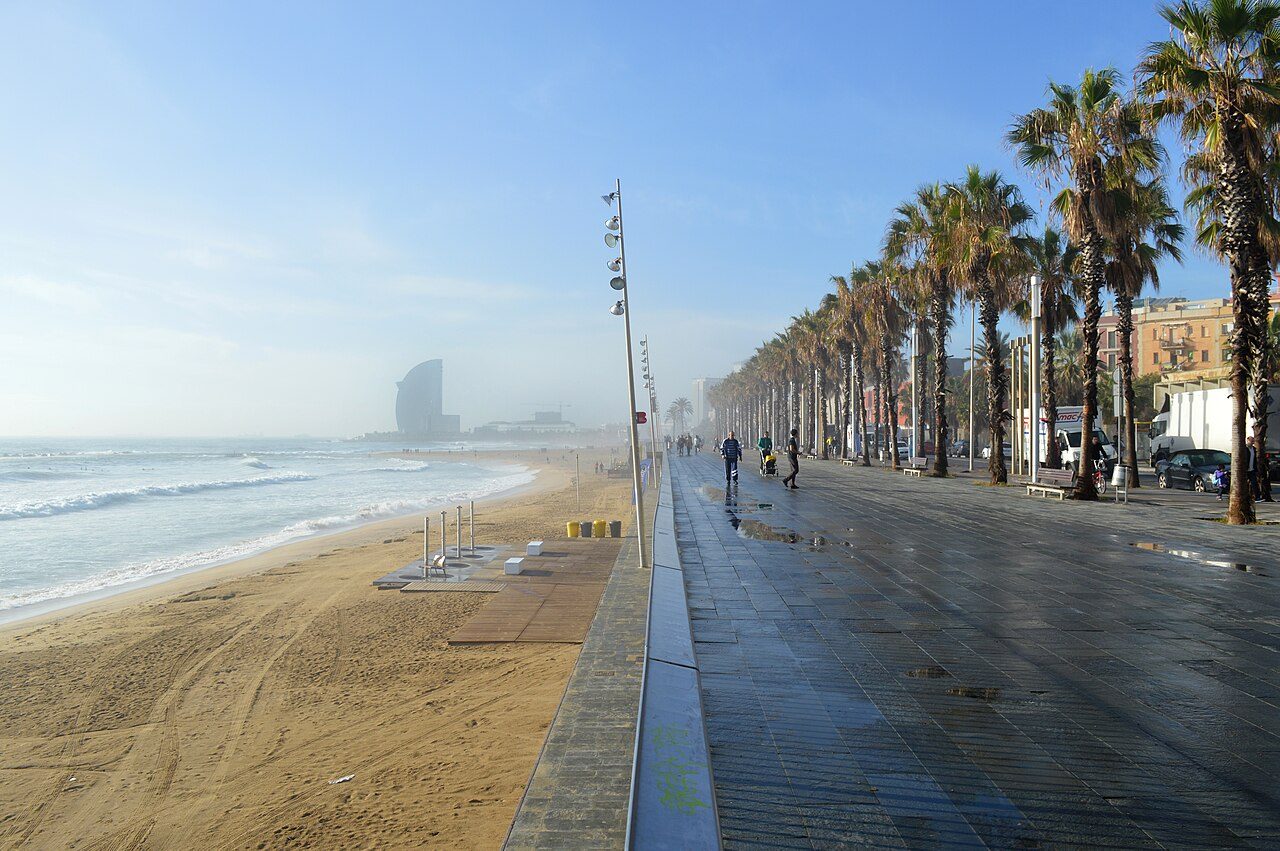
The beach is the main attraction. Platja de la Barceloneta is a wide stretch of sand about a kilometer long, backed by a promenade, and it is lined with beach bars called chiringuitos serving drinks and snacks. The water is clean enough for swimming from late spring to early autumn, with lifeguards on duty in the main season, and the beach is very crowded in July and August. Further along the coast, Sant Sebastià and Sant Miquel beaches are slightly quieter, and the beaches of Bogatell and Mar Bella, past the Olympic Port, are more relaxed.
Seafood is the reason to eat here. The streets around the Plaça de la Barceloneta and the Mercat de la Barceloneta are full of tavernas and restaurants serving fried fish, grilled prawns, mussels, clams and rice dishes, and some of the best have been run by the same families for generations. La Cova Fumada, a tiny and famous bar, is known for inventing the bomba. For a paella or fideuà, look for a place a street or two inland from the beachfront, where prices are lower and the food is more authentic. Our guide to <a href="/guide/paella-barcelona-guide/">paella</a> explains what to look for.
| Place | What to Expect |
|---|---|
| Platja de la Barceloneta | The city's main beach, with chiringuitos, sunbathing and swimming |
| Port Vell | A yacht harbor with a waterfront promenade, restaurants and the Maremagnum mall |
| Mercat de la Barceloneta | A local food market with fresh fish and tapas bars nearby |
| Passeig de Joan de Borbó | A waterfront street of seafood restaurants and terraces |
Take Metro line L4 to Barceloneta, or walk from the Gothic Quarter or El Born in about 15 to 20 minutes. The Ciutadella-Vila Olímpica stop is closer to the quieter beaches, and buses and the Montjuïc cable car also connect with the area. The neighborhood is flat and easy to walk around.
The promenade and the Port Vell are pleasant for a stroll. A wooden boardwalk, the Rambla de Mar, links the old port with the Maremagnum shopping and entertainment centre, and the harbor is lined with large yachts and old fishing boats. Beyond the beach to the north, the Olympic Port, built for the 1992 Games, has a marina, restaurants and nightclubs, with a big sculpture of a fish by Frank Gehry. The cable car from Barceloneta to Montjuïc is a spectacular way to see the harbor from above.
Barceloneta also has its quieter side. A walk through the back streets, particularly in the morning, reveals small squares, markets and traditional bars, and the sound of neighbors talking from their balconies. The Palau de Mar, a former warehouse on the port, houses the Museu d'Història de Catalunya, which tells the region's history, and has a rooftop restaurant with views of the harbor. These calmer corners are a good contrast to the crowded beach on a hot day.
A few practical tips help. The beach is very busy in summer, so arrive early to find a good spot, and keep a close eye on your belongings, since theft from beach towels is common. Do not leave valuables unattended while you swim. Beachfront restaurants and chiringuitos are more expensive and less authentic than those in the back streets, so look at menus and prices before sitting down. Be aware of unlicensed sellers offering drinks, massages and souvenirs on the sand, who are best politely ignored.
Barceloneta suits families, couples, beach lovers and seafood fans, particularly in the warm months. It is less suited to travelers visiting in winter, when the beach is cold and quiet, though the seafood restaurants are still open, and to those who dislike crowds. A good plan is to spend a morning in the old town, have a seafood lunch in Barceloneta, swim in the afternoon and watch the sunset from the promenade. For lodging, see our <a href="/guide/top-10-hotels-in-barcelona/">top 10 hotels in Barcelona</a>.
For more of the city, see our guides to the Sagrada Família, Park Güell and Montjuïc, and our food guides to tapas, paella and crema catalana. For budgeting, see Barcelona on $80 a day, and for lodging, see our top 10 hotels in Barcelona and budget hotels in Barcelona.