Emirati Coffee and Dates: The Tradition Behind the Welcome Cup
The hospitality tradition behind qahwa and dates in the UAE — how it's brewed, how it's served, and the etiquette worth knowing.
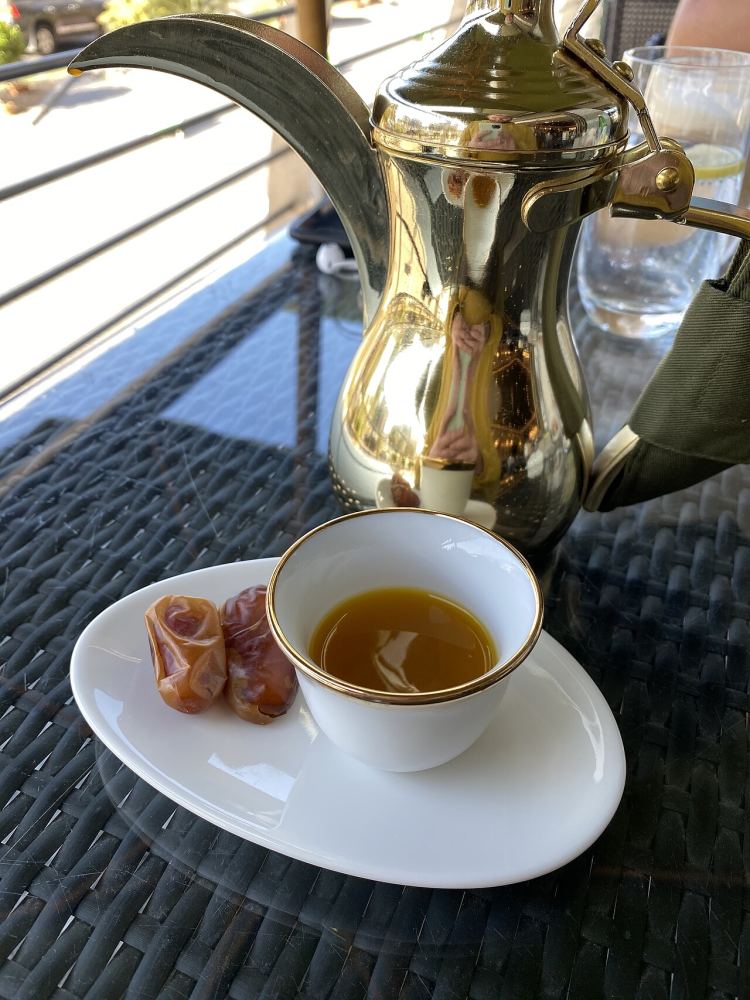
Emirati Coffee and Dates: A Tradition of Hospitality
Serving qahwa (Arabic coffee) alongside fresh dates is one of the most deeply rooted hospitality traditions across the Gulf, including the UAE — offered to guests as a welcome gesture long before any meal or business discussion begins. The coffee itself is distinct from Western coffee: light in color, brewed with cardamom (and sometimes saffron or cloves), and served without sugar in small handleless cups called finjan.
How It's Traditionally Served
| Element | Details |
|---|---|
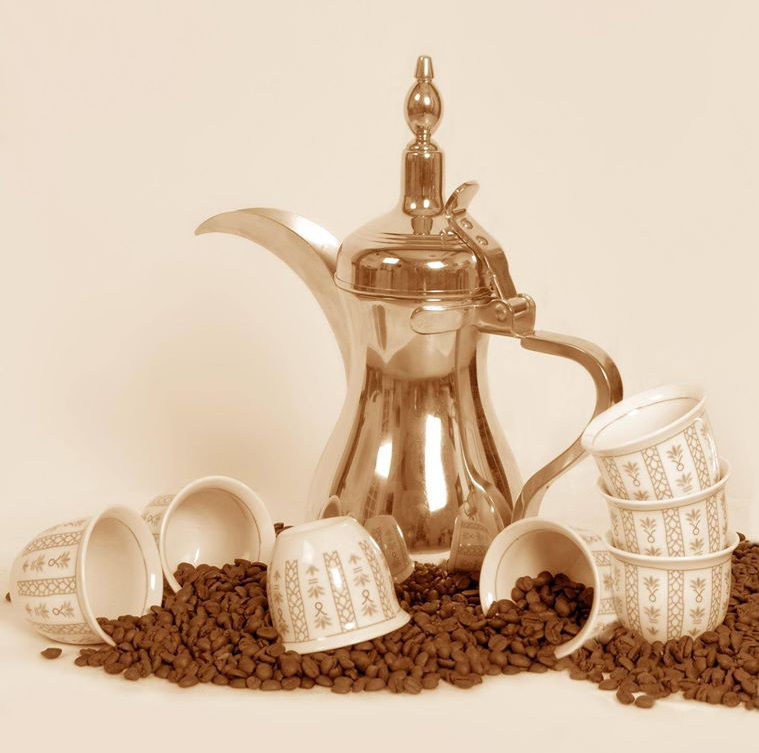
| Dallah | The traditional long-spouted pot used to brew and pour the coffee |
| Finjan | Small handleless cups, filled only about a third full per pour |
| Dates | Served alongside as a natural sweetener, since the coffee itself is unsweetened |
| Serving order | The host typically pours for guests first, refilling until the cup is gently shaken side to side (the signal for "no more") |
Where to Experience It
Many heritage villages, cultural centers, and Emirati-focused restaurants in Dubai offer a traditional qahwa and dates service as part of a cultural experience or meal starter. The Sheikh Mohammed Centre for Cultural Understanding, for example, is well known for including this as part of its guided cultural meals, explaining the etiquette as it's served.
It's polite to accept at least one small cup if offered, and to use your right hand when receiving it — a small gesture that's well recognized as a sign of respect for the tradition.