Acropolis Museum: Athens' Home for the Parthenon Sculptures
How to visit the Acropolis Museum, from the glass floor over ancient ruins to the Parthenon Gallery and the Caryatids, with tips on tickets, timing and the rooftop restaurant.
Acropolis Museum: Where the Rock's Treasures Live
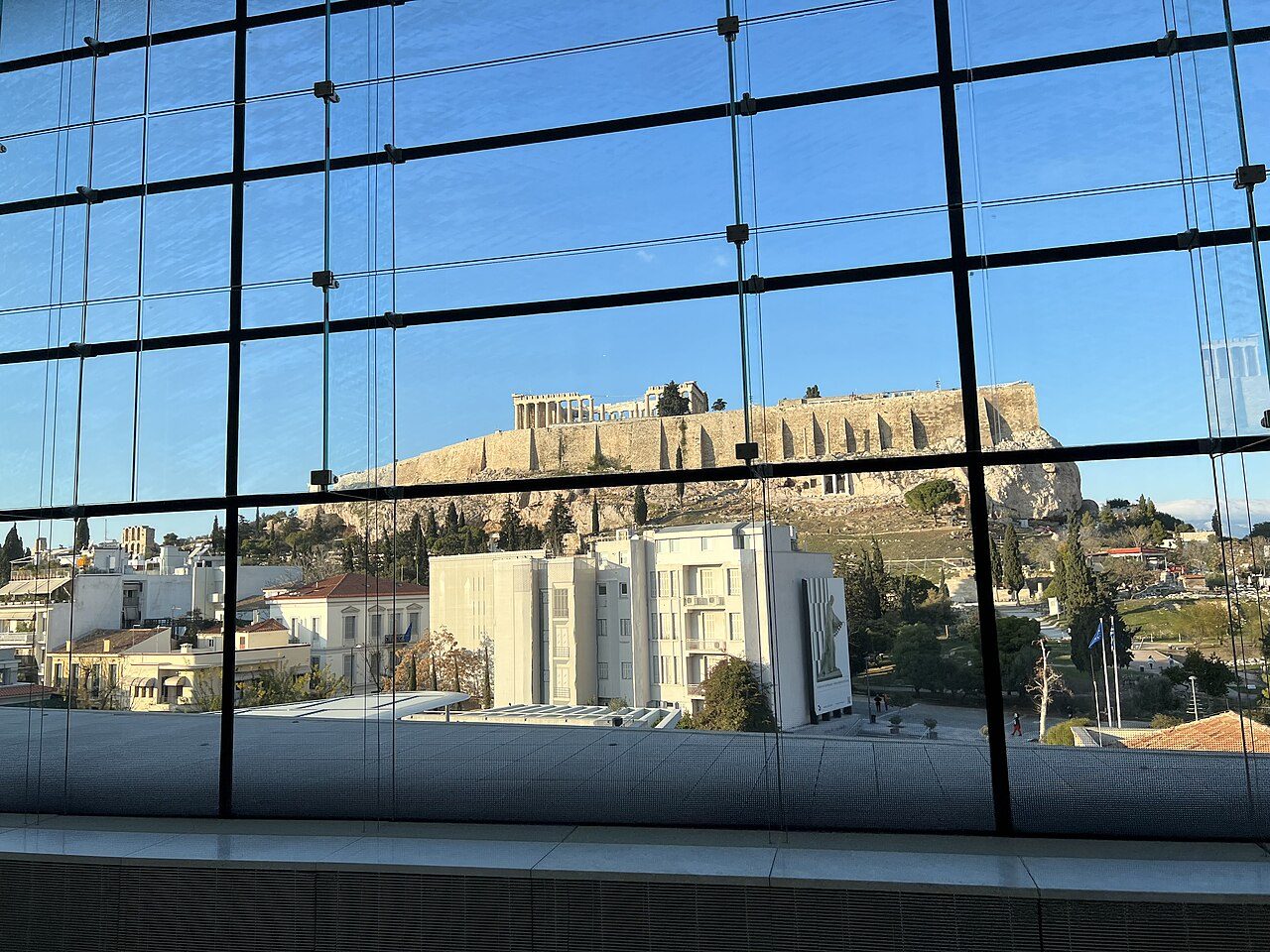
The Acropolis Museum is one of the best archaeological museums in the world and the perfect companion to a visit to the rock itself. Opened in 2009 at the foot of the Acropolis, it was designed by the architect Bernard Tschumi to house the sculptures and artifacts found on the hill, and its modern glass and concrete building is deliberately aligned with the Parthenon above. Its glass floors let you look down on the excavated remains of an ancient neighborhood, and large windows frame views of the Acropolis, making the connection between the museum and the monument constantly visible.
The collection follows the story of the Acropolis from the Archaic period to Roman times. The Archaic Gallery has painted marble statues of maidens and horsemen from before the Persian invasion, and the Caryatids from the Erechtheion, five of the six original figures, are displayed in a dramatic setting. The top-floor Parthenon Gallery is the highlight: a glass-walled hall, arranged to match the dimensions and orientation of the temple, with the surviving frieze, metopes and pediment sculptures, and plaster casts showing the pieces now held in other museums. Seeing them at eye level, with the Parthenon itself visible outside, is a powerful experience.
Visiting the Acropolis Museum
| Detail | Info |
|---|---|
| Best Time to Visit | Late afternoon, after the Acropolis, or on a Friday evening when the museum has extended opening hours |
| Cost | Tickets cost roughly €15–€20 in summer and less in winter, with free admission on selected days |
| Nearest Station | Acropoli (Metro line 2), a short walk away on Dionysiou Areopagitou Street |
| How Long | Two hours for the highlights, and more if you use the audio guide or join a tour |
Making the Most of the Visit
Start on the ground floor and work upward, saving the Parthenon Gallery for last. An audio guide or a guided tour adds a lot to the experience, since many of the pieces are fragments and their stories are not obvious without context. Photography without flash is usually permitted in most galleries, but check the signs. The museum is air-conditioned, which makes it a welcome break from the midday heat, and there are a cafe and a restaurant on the top floor with a terrace and an excellent view of the Acropolis, particularly good at sunset.
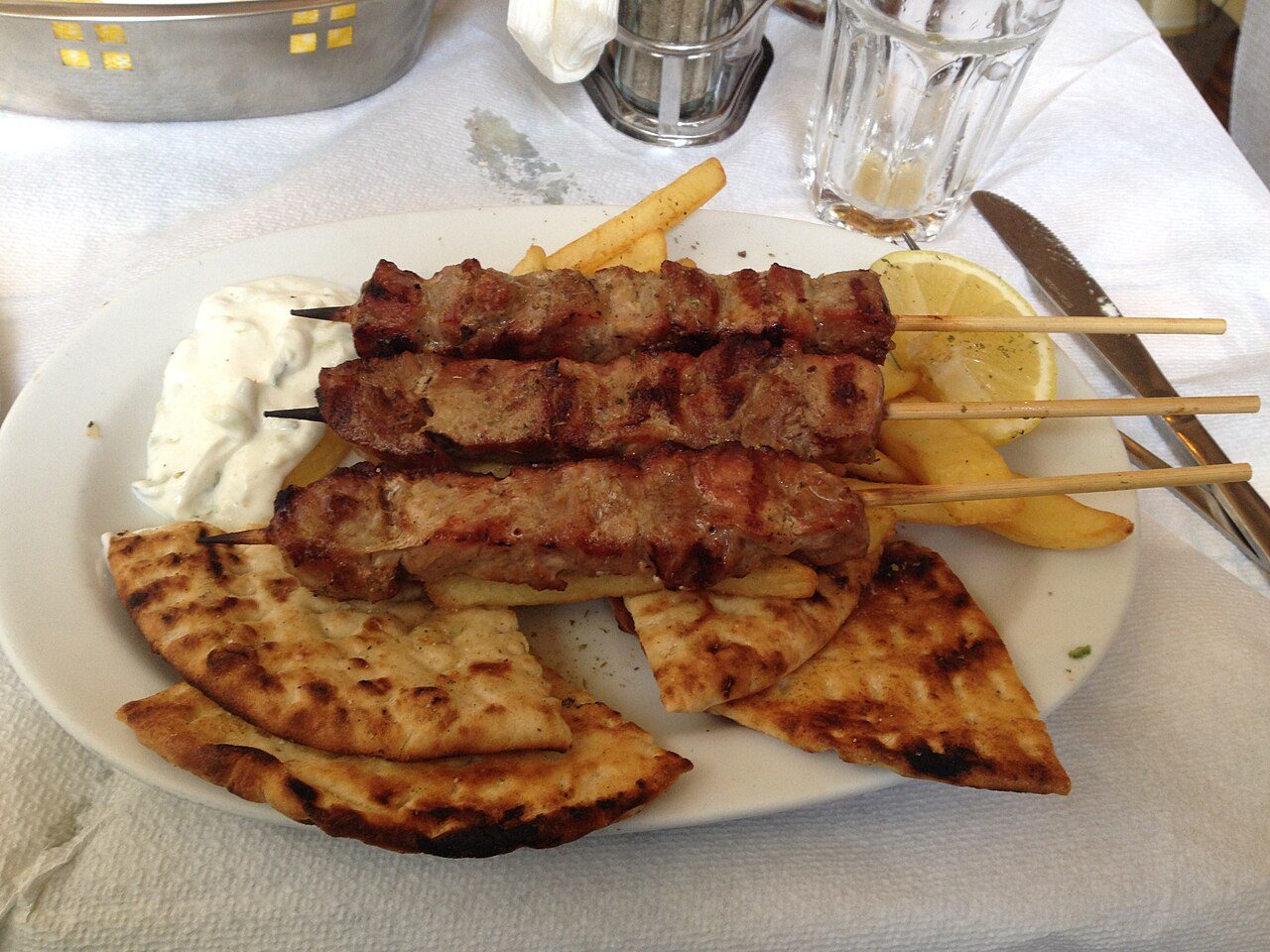
The museum is also at the start of Dionysiou Areopagitou, a beautiful pedestrian street that runs around the south side of the Acropolis, lined with trees and leading to the Theatre of Dionysus and the Ancient Agora. The neighborhood of Makrygianni and Koukaki, around the museum, has some of the best tavernas and cafes in central Athens, and it is quieter than Plaka. Our guide to <a href="/guide/souvlaki-athens-guide/">souvlaki</a> and <a href="/guide/moussaka-athens-guide/">moussaka</a> covers what to eat nearby.
Visit the museum after the Acropolis, so that the pieces on display make more sense in context. Book a table at the museum restaurant for sunset, when the Parthenon glows in golden light.