Ancient Agora: The Heart of Classical Athens
How to visit the Ancient Agora, from the Temple of Hephaestus and the Stoa of Attalos to the places where Socrates taught and democracy took shape, with tips on tickets and timing.
The Ancient Agora: Where Democracy Took Shape
The Ancient Agora was the marketplace, courthouse, meeting place and civic centre of classical Athens, and it is the best place in the city to imagine the daily life of its citizens. It lies below the north slope of the Acropolis, and for centuries it was where Athenians shopped, debated, voted and worshipped. Socrates talked to passers-by here, Plato and Aristotle taught nearby, and the first experiments in democracy were carried out in its buildings. It is a green, tranquil site, with shady trees and wildflowers among the ruins, much less crowded than the Acropolis.
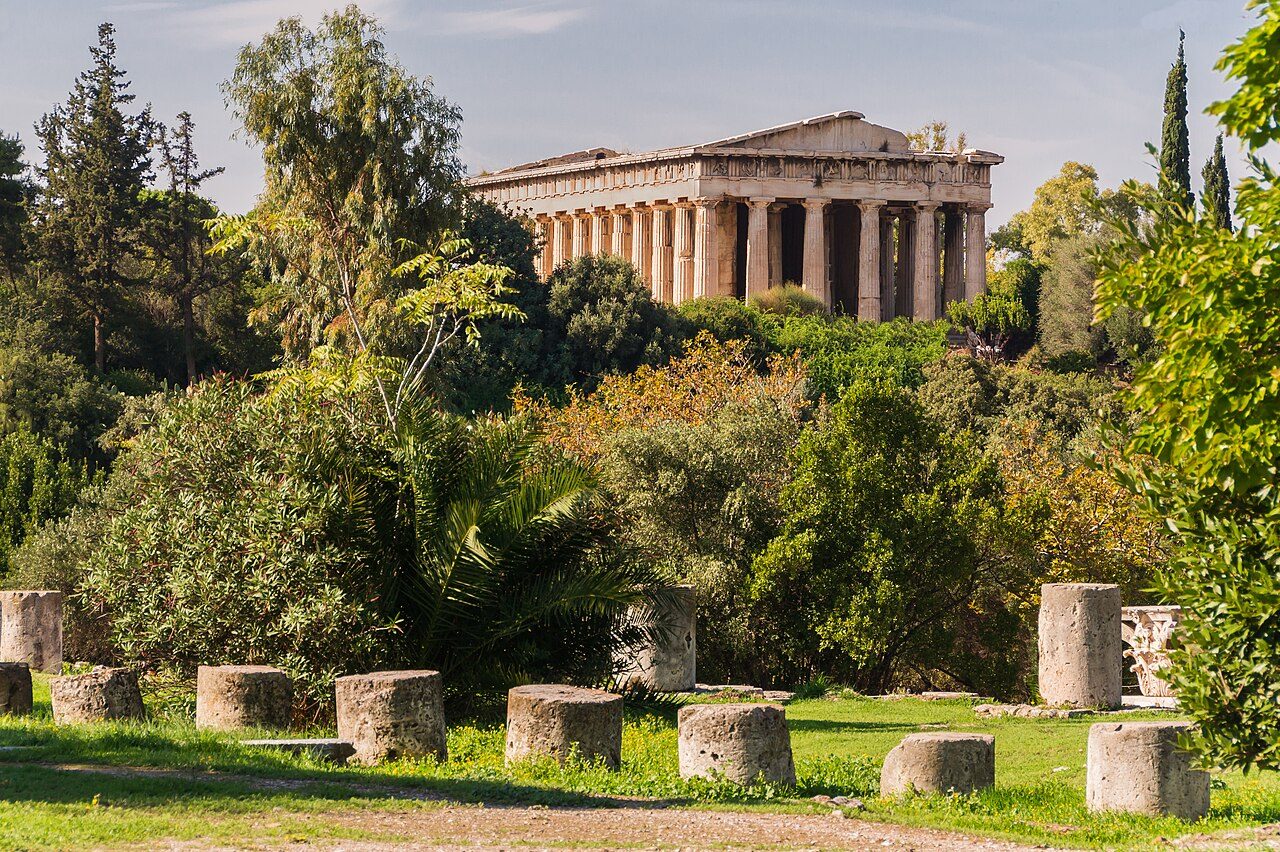
The star attraction is the Temple of Hephaestus, built around 449 BC on a small hill above the Agora. It is the best-preserved ancient Greek temple in the country, with almost all of its Doric columns, its roof and its frieze still standing, because it was used as a Christian church for centuries. The Stoa of Attalos, a two-storey colonnaded building reconstructed in the 1950s, houses the Museum of the Ancient Agora, which displays objects from daily life, such as pottery, coins, voting tokens and a water clock used to time speeches in the courts.
Visiting the Ancient Agora
| Detail | Info |
|---|---|
| Best Time to Visit | Early morning or late afternoon, when the light is soft and the site is cooler |
| Cost | Tickets cost about €10, or are included in the combined archaeological ticket that also covers the Acropolis |
| Nearest Stations | Thissio (Metro line 1) or Monastiraki, both within a short walk |
| How Long | Allow 90 minutes to two hours, including the museum |
What to See
Walk the Panathenaic Way, the ancient processional road that crossed the Agora, and look for the Tholos, the round building where the executive committee of the council ate and slept, and the Metroon, which housed the state archives. The Church of the Holy Apostles, a small Byzantine church from the 10th century, is one of the few surviving medieval buildings in the area and has beautiful frescoes. The Altar of the Twelve Gods and the remains of the Royal Stoa mark spots central to Athenian democracy.
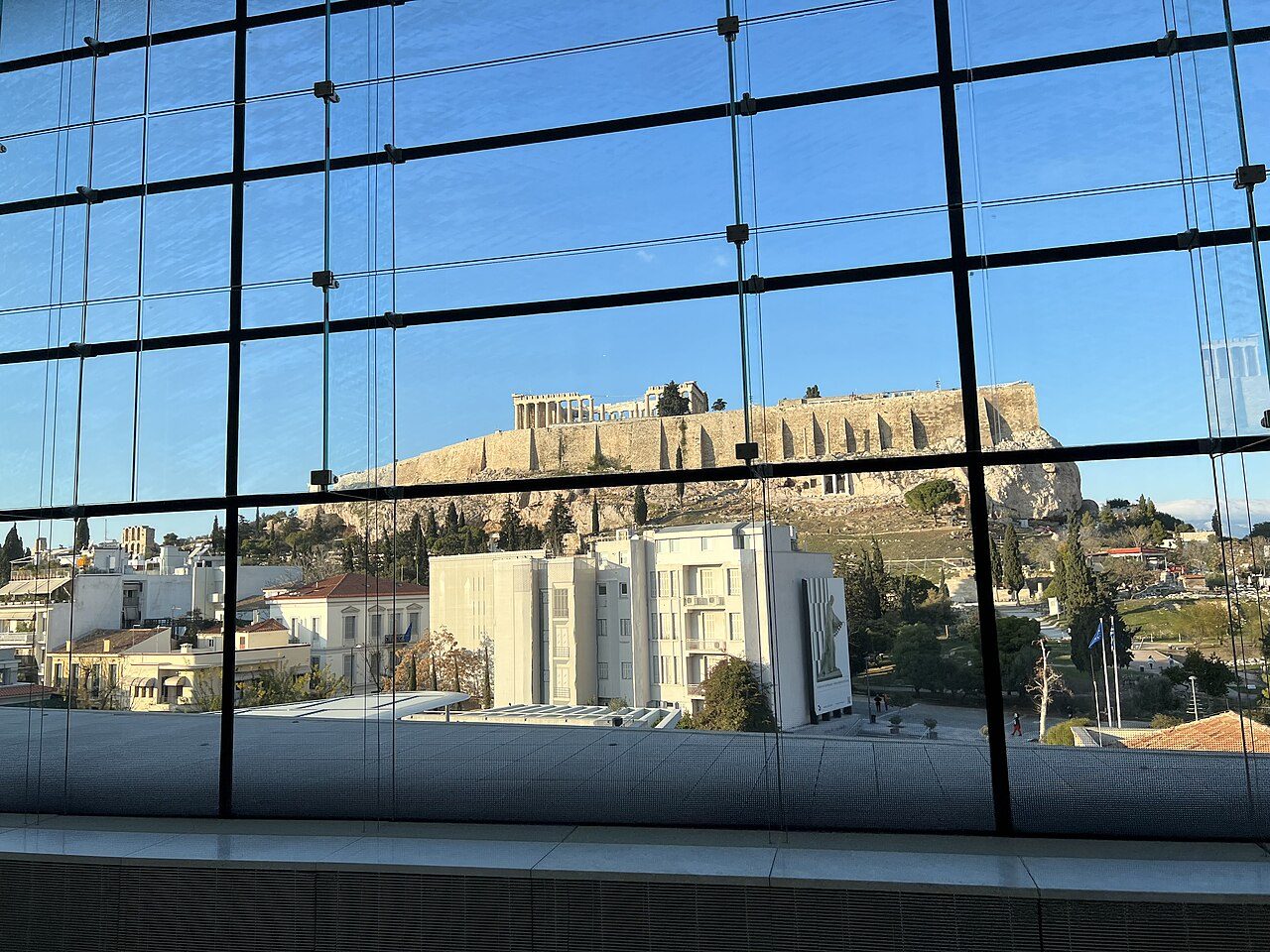
A visit also gives you the chance to climb to the Temple of Hephaestus for views up to the Acropolis, and the walk from the Agora to Plaka and Monastiraki takes only a few minutes. There is little shade in the open parts, so bring water and a hat, and be aware that the site is large and uneven. A guide book or an audio guide is useful, since many of the buildings are only foundations. After your visit, the nearby neighborhood of Thissio has pleasant cafes with views of the temple, ideal for a drink.
Combine the Agora with the Acropolis on a single combined ticket and visit in the late afternoon, when the temple glows golden and the heat has dropped. Finish with a coffee at a terrace cafe in Thissio, facing the Acropolis.