Best Dim Sum in Hong Kong for First-Timers
Dim sum is Hong Kong's signature dining ritual — here's how it works, what to order, and where to go for a genuinely great first meal.

Dim sum — small, shareable dishes traditionally served with tea, historically as a mid-morning ritual called yum cha ("drink tea") — is one of Hong Kong's defining culinary experiences, and one of the easier ones for a first-timer to enjoy once you understand the basic rhythm of a meal.
Dim Sum Basics
📋 How Ordering Actually Works
Most modern dim sum restaurants use a paper checklist at the table — tick the dishes you want and hand it to a server, rather than the old-fashioned trolley system where dishes are wheeled around and chosen by sight. Some traditional teahouses still use trolleys, which is worth seeking out at least once for the experience, even though the paper-checklist system has become the norm.
🥟 What to Order First
A few dishes are near-universal starting points:
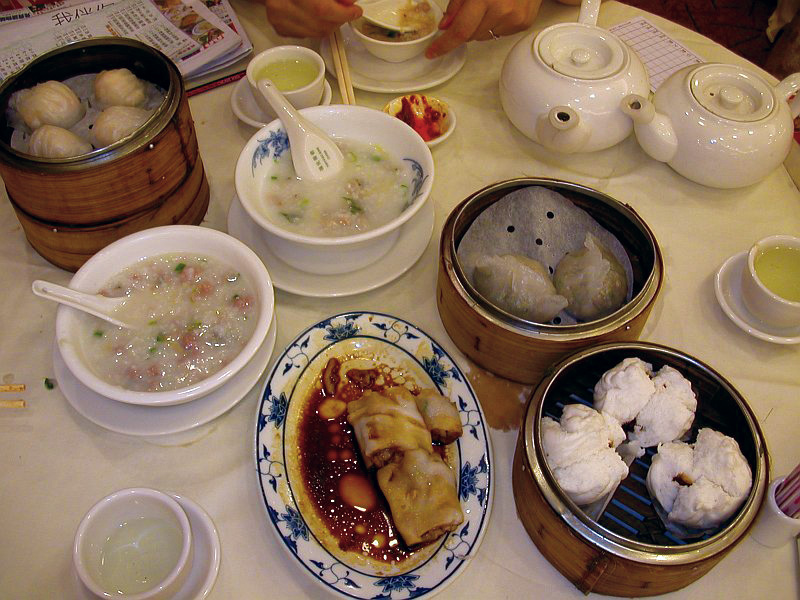
• Har gow — steamed shrimp dumplings with a translucent rice-flour wrapper, often considered the benchmark dish for judging a dim sum kitchen's skill.
• Siu mai — open-topped steamed dumplings of pork and shrimp, one of the most recognizable dim sum dishes.
• Char siu bao — fluffy steamed buns filled with barbecue pork, available in both steamed (white) and baked (golden) versions.
• Cheung fun — rice noodle rolls, often filled with shrimp or beef, served in a light soy sauce.
🍵 The Tea Ritual
Tea is ordered before food and drunk throughout the meal — common choices include pu-erh (earthy, aged), jasmine, and chrysanthemum. A small custom worth knowing: if someone refills your teacup, tapping two fingers lightly on the table is a traditional silent "thank you," a gesture said to date back centuries.
🗺️ Where to Go
| Type | Example | Good For |
|---|---|---|
| Michelin-recognized, budget | Tim Ho Wan | Famously affordable Michelin-starred char siu bao |
| Classic trolley-service | Older teahouses in Sham Shui Po | The traditional trolley experience |
| Upscale, modern | Hotel dim sum restaurants | Polished setting, higher-end ingredients |
Hong Kong's famous budget Michelin-starred dim sum spot, Tim Ho Wan, routinely has queues — arriving right at opening or going mid-afternoon between peak meal times helps.
🍽️ A Guided Introduction
A guided dim sum or food tour is a good option if navigating menus and ordering etiquette feels daunting on a first visit — most cover 2–3 stops with a local guide explaining the dishes and customs along the way.