Causeway Bay: Hong Kong Island's Premier Shopping District, Explained
From fishing village to one of the world's most expensive retail addresses — the malls, the trams, and the noon-day tradition.
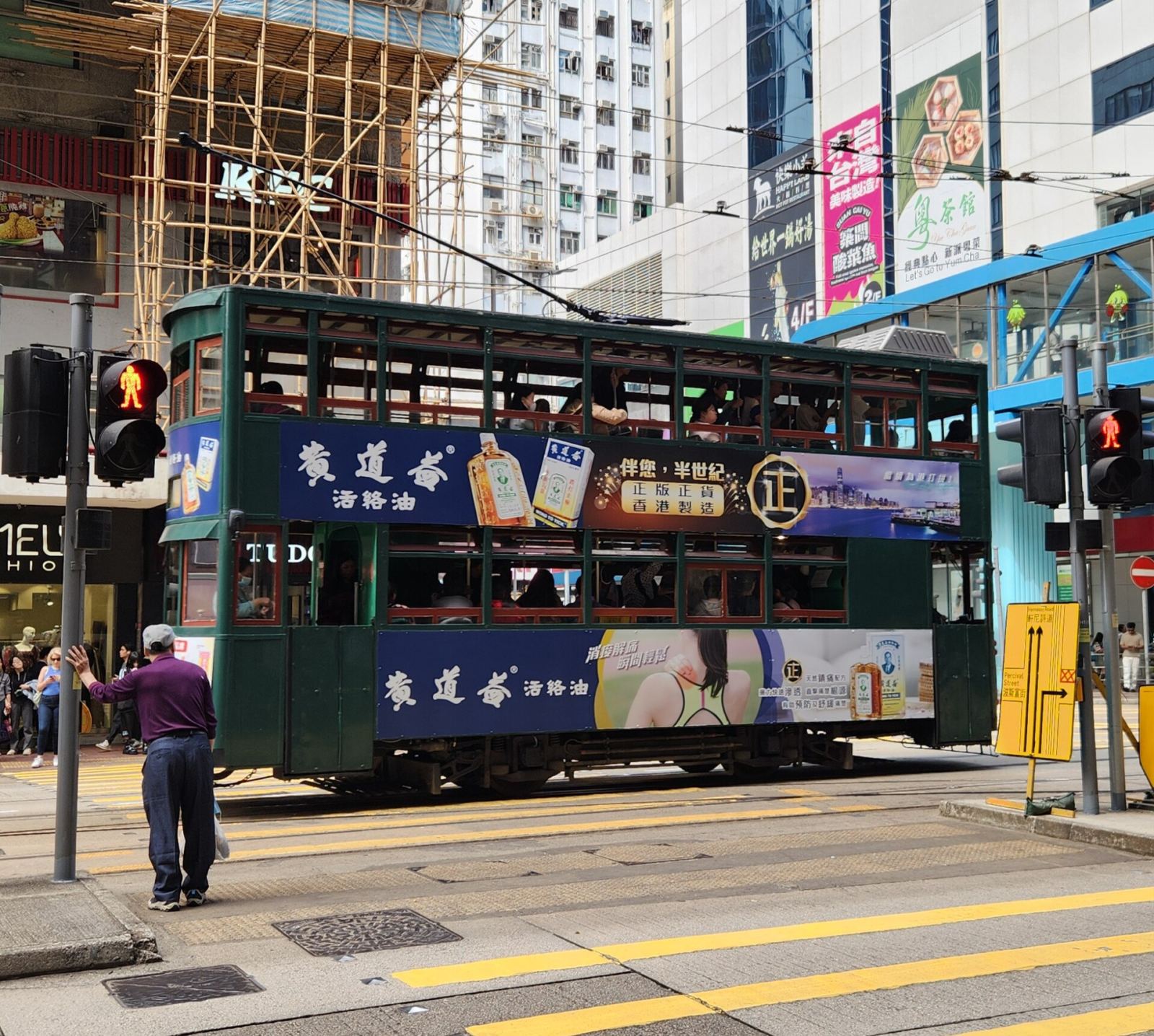
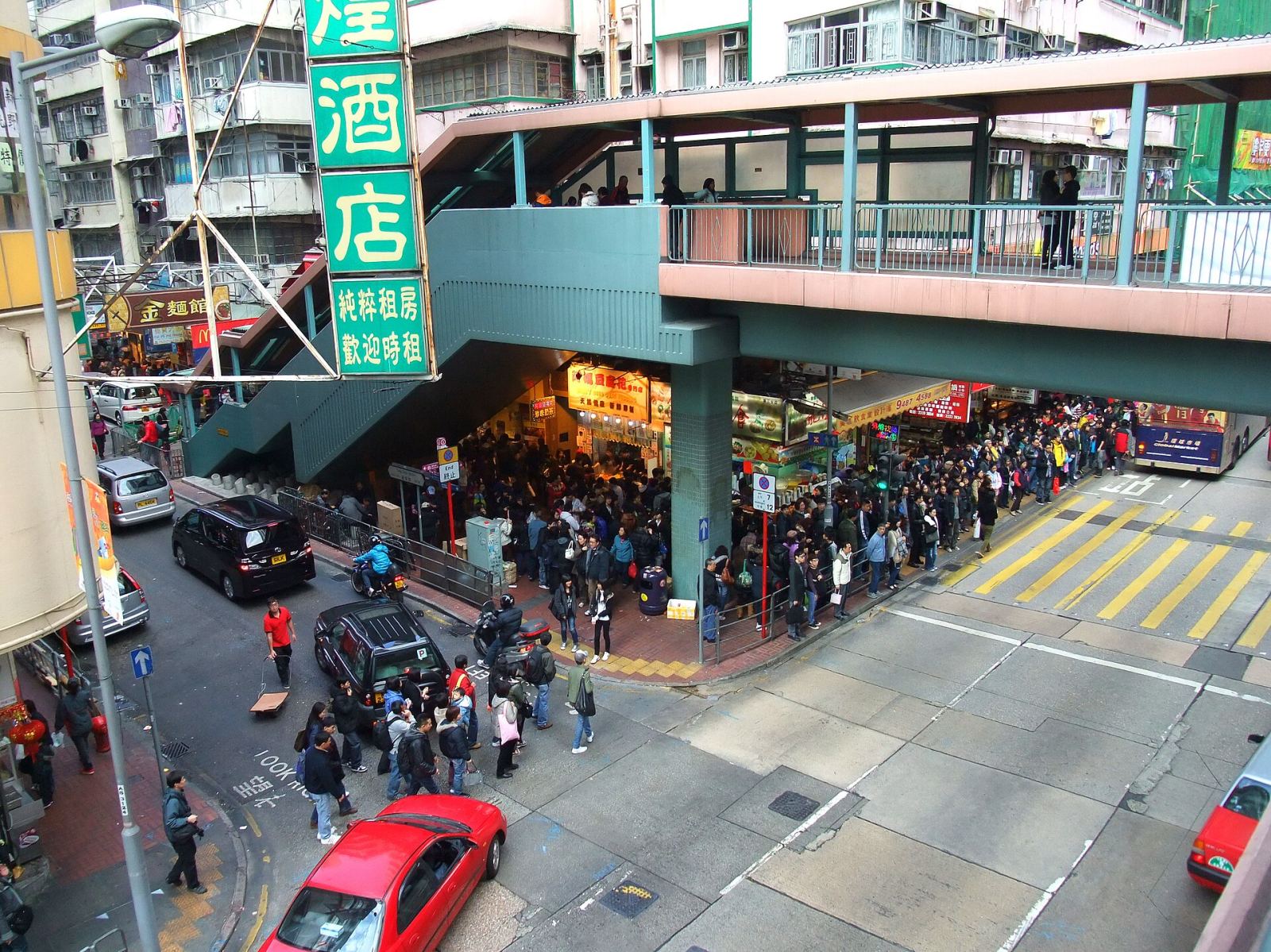
Causeway Bay is one of the most expensive retail addresses on the planet by rent per square foot, a distinction it has held for years running against fierce competition from Tokyo, New York, and Paris, and walking its streets makes that statistic feel entirely plausible — department stores, luxury flagship boutiques, and mall after mall packed into a compact stretch of Hong Kong Island, threaded through by the city's historic double-decker trams rattling past at street level. It's less a single street than a dense shopping district, but its identity is unmistakable enough that Hong Kongers treat it as a destination in its own right rather than just another neighborhood.
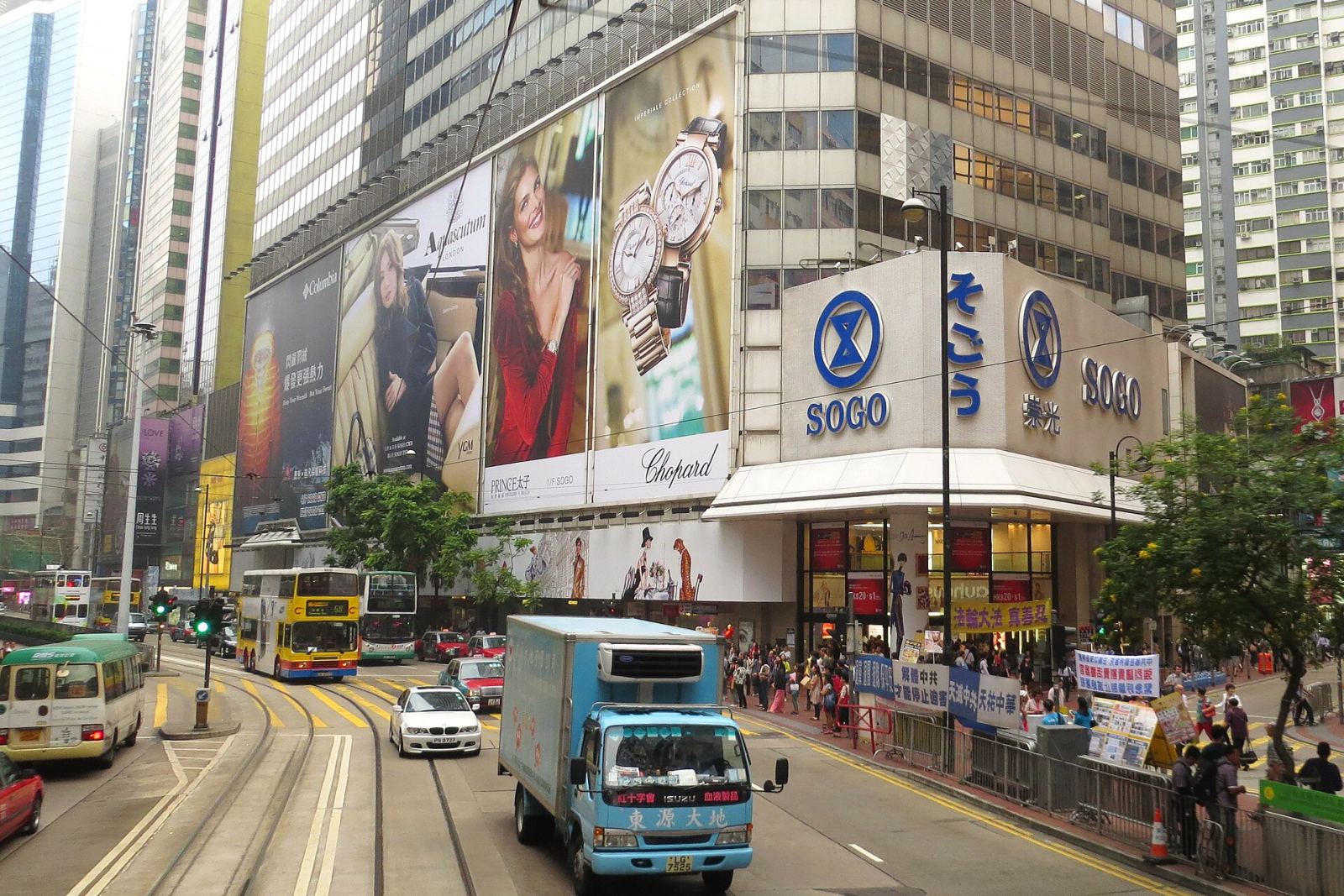
The area was, improbably, a fishing village before Hong Kong's rapid urban development transformed it into one of the world's premier shopping districts. Its name refers to the causeway that once crossed a bay here before land reclamation reshaped the coastline entirely, erasing most physical trace of the original waterfront. What replaced the fishing village is now a dense grid of malls — Times Square, Lee Gardens, Hysan Place, and Windsor House among the largest — anchored by SOGO, a 16-floor Japanese department store that has served as Causeway Bay's most recognizable landmark for decades, its exterior video screens and street-corner clock a de facto meeting point for the entire district.
Times Square deserves particular mention among Causeway Bay's malls — it's one of Hong Kong's most recognizable vertical shopping centers, its distinctive tower and outdoor plaza serving as an unofficial gathering point for events, protests, and countdown celebrations over the years. Fashion Walk, a more open-air, boutique-lined complex nearby, offers a different retail texture again, mixing high-street and designer labels along pedestrianized lanes rather than inside a single enclosed structure, giving shoppers a genuine choice of retail environments within a few minutes' walk of each other.
For visitors on a tighter budget than Causeway Bay's flagship boutiques suggest, Jardine's Bazaar and Jardine's Crescent — two narrow, market-style lanes tucked between the glossy malls — offer considerably cheaper clothing and accessories, a useful contrast to the surrounding luxury retail. Victoria Park, one of Hong Kong Island's largest green spaces, sits at the district's eastern edge and hosts major public events throughout the year, including the city's largest Lunar New Year flower market and its annual candlelight vigils, giving Causeway Bay a civic function well beyond shopping.
| Time | Atmosphere | Best For |
|---|---|---|
| Weekday mornings | Quietest window for the malls | Unhurried shopping before crowds build |
| Weekday afternoons/evenings | Very busy, office workers and shoppers mixing | The full Causeway Bay retail experience |
| Weekends | Extremely crowded, especially inside malls | Atmosphere over comfort — expect dense foot traffic |
| Lunar New Year period | Victoria Park hosts a major flower market | A distinctly local seasonal event, not purely retail |
A small waterfront tradition worth timing a visit around: the Noon Day Gun has been fired every day at noon since the 1860s, a custom dating to Hong Kong's British colonial era, still carried out today in full military-style uniform. It's a short walk from the main shopping streets and takes only a moment to see.
The district's transformation from fishing village to premier shopping destination happened within living memory for some older Hong Kong residents, which is part of why place names and street layouts here still occasionally reference a coastline that technically no longer exists — reclaimed land has pushed the actual waterfront considerably further out than it stood even a few decades ago. It's a small but telling reminder that much of what looks permanently urban in Hong Kong is, geologically speaking, remarkably recent.
Causeway Bay's density extends to its dining scene as well — the district packs an enormous range of restaurants, from Michelin-recognized establishments to no-frills cha chaan teng (Hong Kong-style diners), into the same blocks as the shopping malls, making it easy to combine a retail-focused day with genuinely good food without traveling elsewhere. Time Square's basement food court and the surrounding side streets are a reasonable starting point for anyone unsure where to eat amid the retail density.
Causeway Bay connects easily by tram or MTR to other Hong Kong Island sights, including a short ride to the Peak Tram and Star Ferry. If dim sum is on your list, Best Dim Sum in Hong Kong for First-Timers covers several spots within easy reach, and Hong Kong on $50 a Day can help balance a Causeway Bay shopping trip against a tighter overall budget.
Causeway Bay MTR Station, on the Island Line, sits directly beneath the district and is the simplest way to arrive. The historic Hong Kong Tramways line also runs straight through Causeway Bay, offering a slower, cheaper, and considerably more scenic way to reach it from elsewhere on Hong Kong Island — a ride worth taking at least once for the experience alone, even if the MTR is faster.
Frequently Asked Questions
Real estate in Causeway Bay has periodically ranked among the most expensive in the world by rent per square foot, a statistic that puts the district's mall density in useful context — every square meter here has to justify an enormous cost, which is part of why the space is used so intensively, stacking multiple floors of retail into buildings that elsewhere might house only one or two levels of shops.
The tram itself deserves a mention as more than just transport through the district — Hong Kong's double-decker trams, in continuous operation since 1904, remain one of the cheapest and most scenic ways to move along the northern shore of Hong Kong Island, and Causeway Bay is one of the busiest and most photogenic stretches of the entire line, with trams weaving between the mall entrances and pedestrian crossings that define the neighborhood.