Carouge: Geneva's Sardinian-Built 'Little Italy'
A rival royal city built to outshine Calvinist Geneva, now the canton's most bohemian, artisan-driven neighborhood.

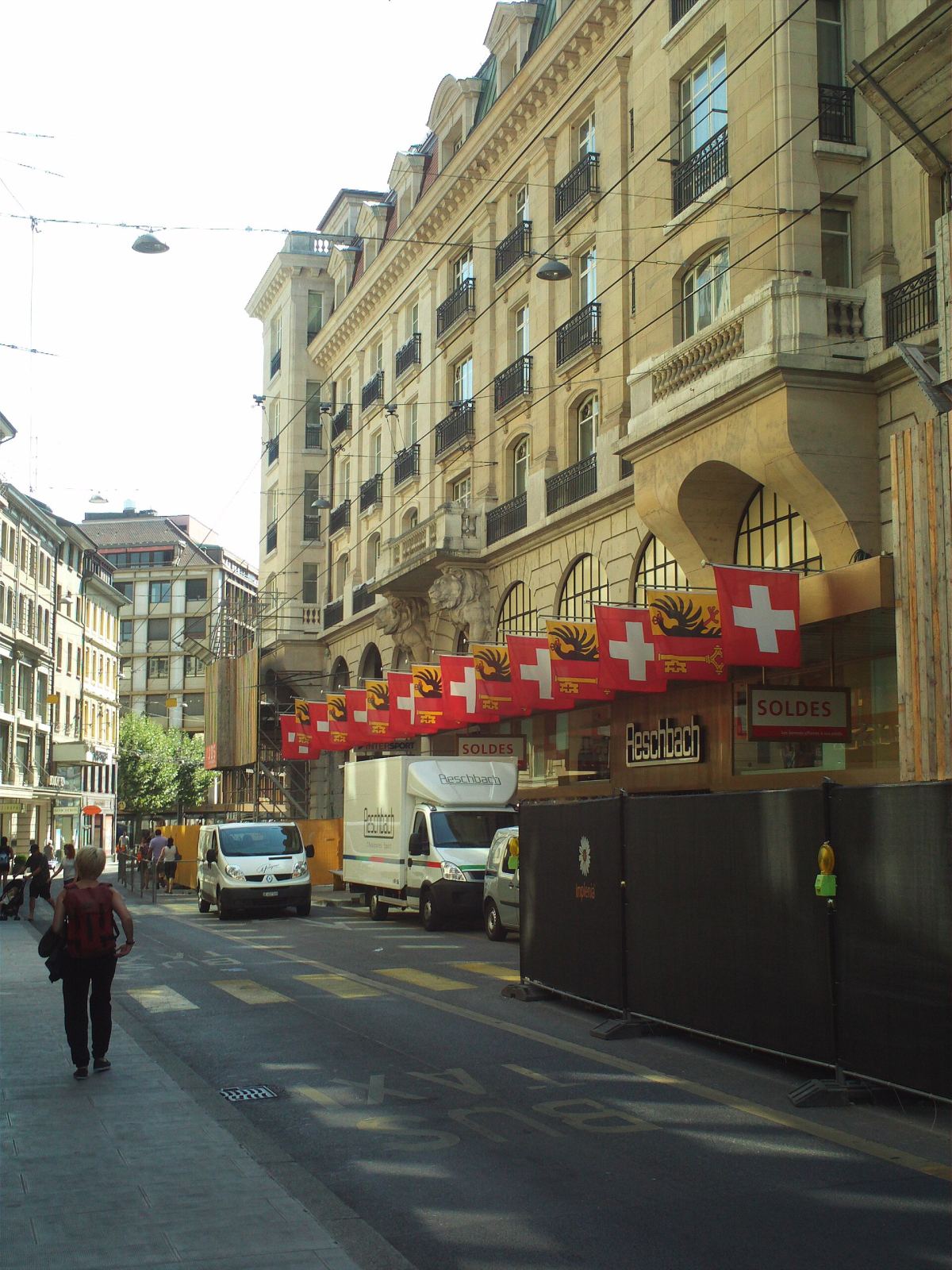
Carouge sits just across the Arve River from central Geneva, and despite technically being part of the same city today, it has a genuinely distinct identity — pastel-colored buildings, wrought-iron balconies, arcaded streets, and a relaxed, artisan-driven atmosphere that feels closer to a small Mediterranean town than to Calvinist Geneva proper. Locals and guidebooks alike have long nicknamed it Geneva's 'Little Italy,' and the description holds up remarkably well once you understand how deliberately the town was built to feel that way in the first place.
Carouge's origin story is a genuinely unusual piece of regional history. In the late 18th century, the town belonged not to Geneva but to the Kingdom of Sardinia, and King Victor Amadeus III had an ambitious, almost competitive vision — commissioning Italian architects to design an entirely new 'Royal City' specifically intended to rival and outshine strict, Protestant Geneva just across the river. The result was Carouge's distinctive Sardaigne-Piémont architectural style: low, two-story buildings in warm pastel tones, with private courtyards planted with Mediterranean greenery, a visual language entirely unlike anything found in Geneva's own historic core.
After the Napoleonic Wars reshaped European borders, Carouge was formally transferred to the Canton of Geneva in 1816 as part of the Swiss Confederation, but its distinct architectural and cultural character survived the political change intact. By 1790, the town already counted around 450 artisans across roughly thirty different trades, from blacksmiths and coopers to sculptors, and that artisan tradition has never really disappeared — Carouge today remains genuinely known for its concentration of independent workshops and boutiques, a rarity in a Swiss retail landscape otherwise dominated by chain stores and luxury flagships.
| Time | Atmosphere | Best For |
|---|---|---|
| Saturday morning | Market day, busiest and liveliest | The weekly Carouge market and browsing artisan stalls |
| Weekday afternoon | Quiet, relaxed, shops open | A slower walk through the arcaded streets |
| Evening | Cafés and restaurants filling up | Dinner in one of Carouge's courtyard restaurants |
| Sunday | Very quiet, most shops closed | A peaceful architectural walk |
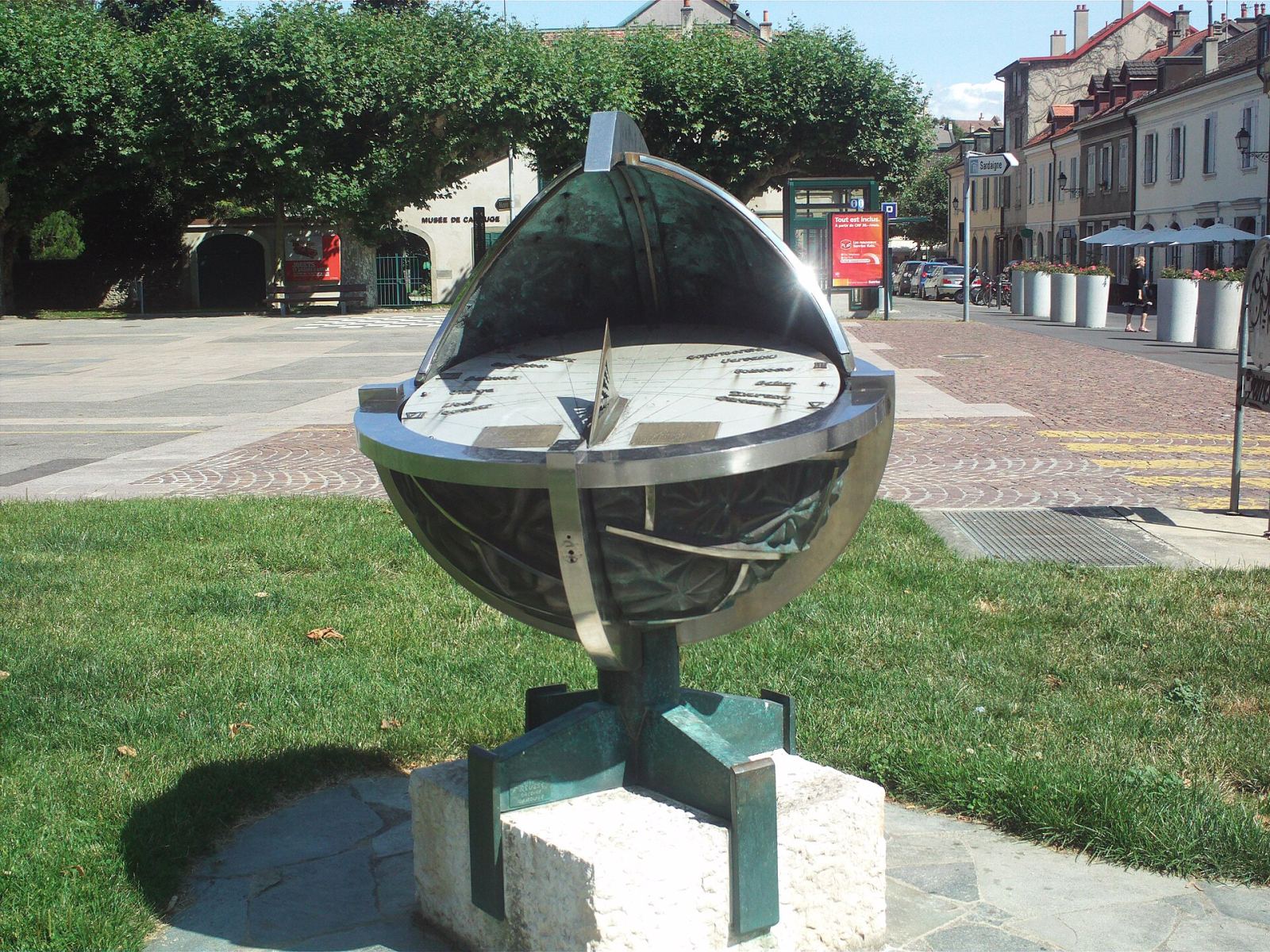
Carouge's reputation for a livelier, more permissive social atmosphere dates back centuries and is directly tied to its origin as a rival town outside Geneva's strict Calvinist jurisdiction — during the era when Geneva itself enforced fairly austere religious and social codes, Genevans would deliberately 'cross the Arve' into Carouge to enjoy wine, music, and a more relaxed evening than their own city allowed. That reputation for a warmer, more bohemian spirit has genuinely persisted into the present, visible today in the neighborhood's dense concentration of independent bars, restaurants, and creative studios.
Carouge's weekly Saturday market, held on Place du Marché, is one of the best times to experience the neighborhood at its liveliest, with local produce, flowers, and crafts filling the square in a way that captures the area's genuine everyday character rather than a curated tourist version of it.
The Musée de Carouge, housed in a former artisan's residence, offers a compact but genuinely worthwhile introduction to the town's Sardinian-era history and craft traditions for visitors who want more context than a walk through the streets alone provides, and it pairs naturally with a stop at one of the many independent ceramic, textile, or jewelry workshops still operating in the neighborhood today.
Carouge's courtyards — many tucked behind unassuming street-facing facades — are one of the neighborhood's quieter pleasures, planted with fig trees, vines, and other Mediterranean greenery that residents have cultivated for generations, and several now house small restaurants or cafés that let visitors sit directly within that hidden garden atmosphere rather than just glimpsing it from the street.
Carouge is a short tram ride from central Geneva, with Geneva's tram network connecting the neighborhood directly to Cornavin station and the city center in well under fifteen minutes. The town itself is compact and best explored entirely on foot once you've arrived, since its narrow arcaded streets weren't designed with cars in mind.
Carouge's theater scene adds another layer worth knowing about — the Théâtre de Carouge, one of Geneva's most respected performance venues, has operated in the neighborhood for decades and regularly stages productions in French, reinforcing the town's identity as a genuine cultural center rather than simply a picturesque shopping district. Combined with its concentration of independent galleries, Carouge draws a steady stream of artistically minded residents from across the wider Geneva area, not just visitors.
Because Carouge grew up outside Geneva's own tightly regulated urban planning history, its street grid has a slightly more organic, human-scaled feel than the more formally laid-out sections of central Geneva, with narrower streets and lower building heights that make the whole neighborhood feel unusually intimate for a European city center just minutes from a major international hub.
Carouge's antique and secondhand shops are worth a special mention for anyone with an eye for furniture or decorative objects, since several dealers here specialize in pieces sourced from across the broader Franco-Swiss region, and browsing them tends to feel considerably less rushed and transactional than shopping in most of central Geneva's more formal retail districts.
Ceramics in particular have a long, specific history in Carouge, dating back to workshops established during the neighborhood's original Sardinian era, and a handful of working potters and ceramicists still operate studios in the same streets today, continuing a craft lineage that stretches back well over two centuries and giving the town's artisan reputation a genuine, unbroken historical foundation rather than a purely marketed one.