Les Pâquis: Geneva's Multicultural Lakefront Neighborhood
Public bathhouses, world cuisine on Rue de Berne, and the city's most genuinely democratic public space, since 1890.
Les Pâquis occupies the right bank of Lake Geneva just north of the city center, and it's one of Geneva's most genuinely multicultural, unpolished neighborhoods — a dense grid of restaurants representing cuisines from around the world, a red-light district that coexists openly with family cafés and lakeside bathhouses, and a lived-in energy that sets it apart from the more buttoned-up formality found elsewhere in the city. For visitors used to Geneva's reputation for banking and diplomacy, Les Pâquis offers a genuinely different, more street-level version of the city.
The neighborhood's name reflects its rural, pre-urban origins — 'pâquis' is an old term referring to pastureland, specifically the kind of ground where livestock came to graze, a fitting reminder of how much of Geneva's now-dense right bank was still open countryside well into the modern era. Rue de Berne, the neighborhood's main commercial artery, has become the practical heart of that transformation, now lined with restaurants serving everything from Thai and Eritrean to Portuguese and Middle Eastern food, reflecting decades of immigration that have made Les Pâquis one of the most demographically diverse pockets of Geneva.
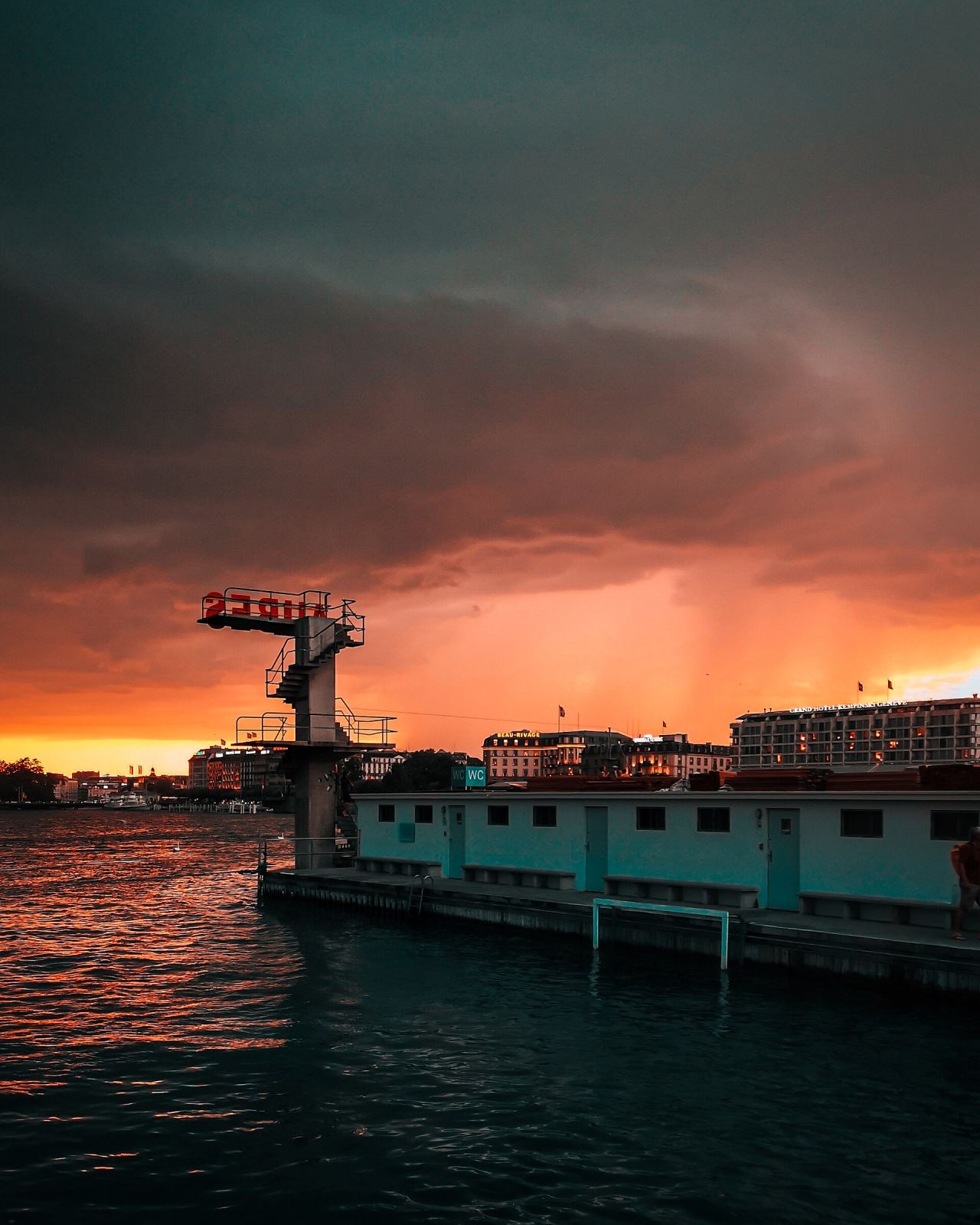
Bains des Pâquis, the neighborhood's best-known landmark, is a man-made public bathing area originally built in 1872 and open to the public since 1890, and it remains one of the most beloved, genuinely democratic public spaces in Geneva — a place where bankers, students, retirees, and tourists all share the same sun deck and swim in the same lake water for the price of a couple of Swiss francs. The facility today includes two hammams, two saunas, a diving platform, a restaurant, and a climbing structure, and it functions as something close to a community living room for the neighborhood, especially in the warmer months.
| Time | Atmosphere | Best For |
|---|---|---|
| Early morning | Quiet, locals swimming before work | A peaceful swim or coffee at Bains des Pâquis |
| Afternoon | Busy, sunbathers and families | People-watching along the lakefront |
| Evening | Rue de Berne restaurants filling up | Dinner from the neighborhood's wide range of world cuisines |
| Winter | Bains des Pâquis hosts winter swimmers | A cold-water dip and sauna, a genuine local tradition |
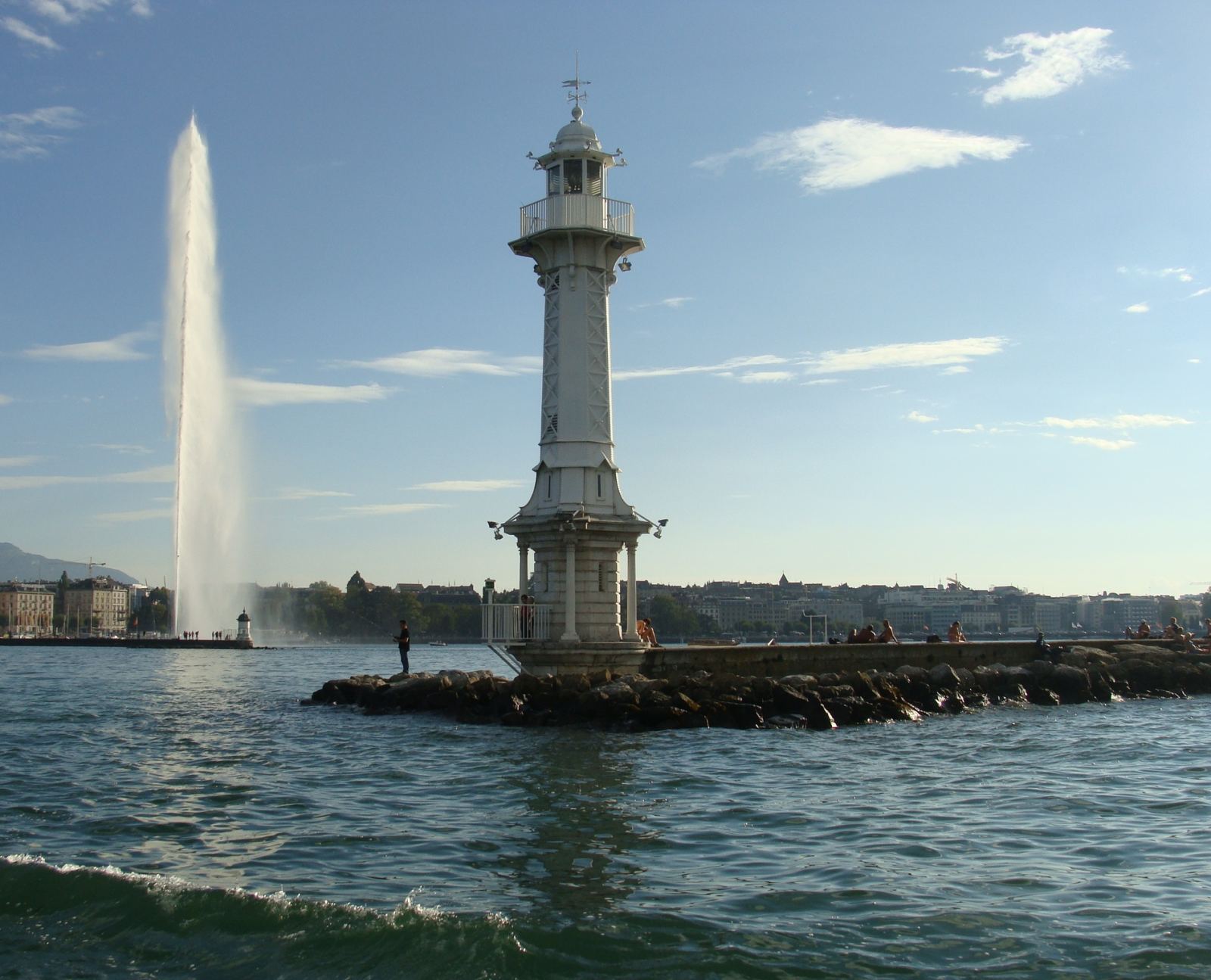
The Pâquis lighthouse, a small but genuinely picturesque white tower marking the entrance to the harbor near Bains des Pâquis, has become one of the more quietly photogenic spots in the city, particularly with the Jet d'Eau visible across the water behind it — a combination that puts two of Geneva's most recognizable lakefront landmarks in a single frame without needing to travel between them. Free early-morning concerts have also become something of a local tradition near the lighthouse and bathhouse, drawing an unusual mix of night owls finishing their evening and early risers just beginning their day.
Les Pâquis is home to Geneva's legal red-light district, concentrated mainly around specific streets rather than the whole neighborhood, and it coexists alongside family restaurants, the bathhouse, and everyday residential life. It's generally safe to walk during the day and evening, though as with any dense urban nightlife area, normal city awareness applies later at night.
Rue de Berne's food scene has become genuinely well regarded beyond just the neighborhood itself, drawing diners from across Geneva specifically for the street's concentration of authentic, reasonably priced international restaurants, a real contrast to the far pricier dining found closer to Rue du Rhône and the lakefront hotels. It's one of the more reliable places in the city to eat well without paying Geneva's notoriously high restaurant prices.
Les Pâquis also sits close enough to Geneva's Cornavin train station that many visitors pass through it without realizing, on their way between the station and the lake, and taking even a short detour off the main thoroughfares into the neighborhood's side streets reveals a genuinely different texture from the more formal parts of central Geneva just a few blocks away.
Les Pâquis is within easy walking distance of Cornavin, Geneva's main train station, making it one of the most accessible neighborhoods in the city for visitors without a car. The neighborhood itself is compact and best explored on foot, and the lakefront path connecting Bains des Pâquis to the rest of the city's waterfront is flat, well-maintained, and genuinely pleasant to walk at almost any time of day.
The neighborhood's diversity extends well beyond its restaurants — Les Pâquis has historically been one of Geneva's primary points of entry for new immigrant communities, and that layered history is genuinely visible in its shops, places of worship, and community organizations, giving the area a texture that feels closer to a real, evolving city neighborhood than the more static, preserved historic core found elsewhere in Geneva.
Winter swimming at Bains des Pâquis has become something of a genuine local ritual, with dedicated regulars braving the cold lake water year-round followed immediately by a warm-up in the on-site sauna, a tradition that visitors are welcome to join and that offers a distinctly different, more physically bracing way to experience the lake than a summer afternoon on the sun deck.
Street art and small independent galleries have also taken root in Les Pâquis over the past decade, adding a further creative layer to a neighborhood already defined by its culinary and cultural diversity, and giving visitors interested in Geneva's less formal side genuine reasons to wander beyond the main lakefront attractions and into the surrounding residential blocks.
The neighborhood's cinemas and small theaters, several independently run, add another layer to Les Pâquis worth knowing about, hosting everything from arthouse film screenings to community events that draw a genuinely local crowd rather than the international visitors more typical of central Geneva's main attractions.