The Central-Mid-Levels Escalator and SoHo: Hong Kong's Longest Ride, Explained
The world's longest outdoor covered escalator system — how it works, why it reverses direction daily, and the nightlife district built around it.

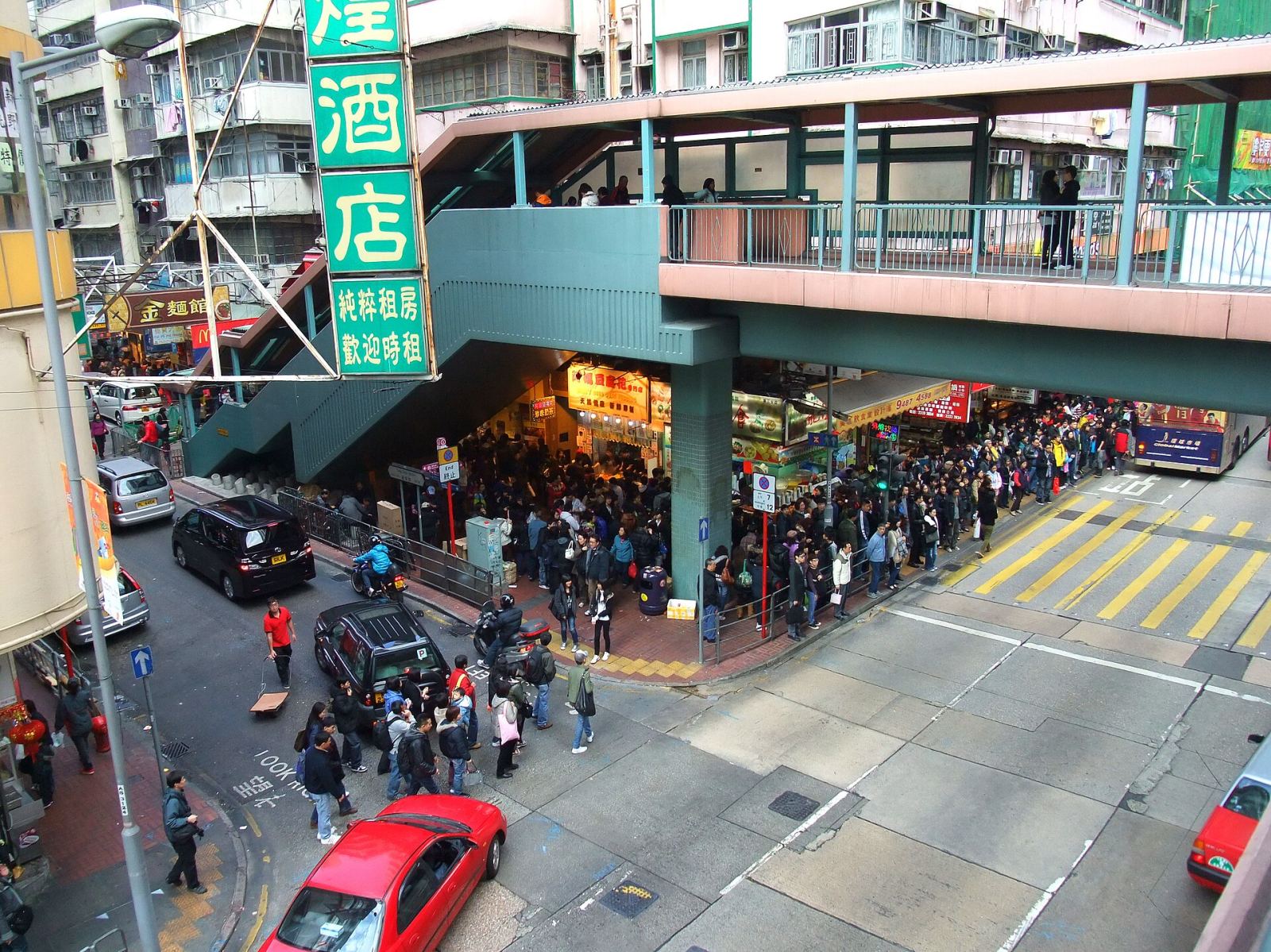
The Central-Mid-Levels Escalator is, quite simply, the longest outdoor covered escalator system in the world, a title it has held since opening and one that regularly surprises first-time visitors who assume such a record would belong to a shopping mall or airport rather than an entire hillside neighborhood — a chain of 20 escalators and 3 inclined moving walkways climbing more than 800 meters and 135 meters in elevation up one of Hong Kong Island's steepest hillsides. It exists purely to solve a traffic problem, but it has become a genuine attraction and a defining piece of infrastructure for the neighborhoods it runs through, including SoHo, one of Hong Kong's most eclectic dining and nightlife districts, built almost entirely around the escalator's route.
The idea was first proposed publicly in the early 1980s, after city planners recognized that much of Central's east-west road traffic was actually generated by north-south demand — residents of the steep Mid-Levels neighborhoods above Central needed a way down to the business district that didn't require a car, and the hillside's topography made building conventional roads straight up the slope impractical. Construction began in 1991, and the system opened to the public on October 15, 1993. It's not one continuous machine but a connected series of escalators and travelators linked by footbridges, with 14 separate entrances and exits along its length.
Local guides and residents often recommend picking two or three cross-streets to explore rather than committing to the full ride, since the real value of the escalator for a visitor is less about the transit itself and more about the neighborhoods it stitches together — antique shops on Hollywood Road, art galleries and design studios further up, and the SoHo dining strip in between, all reachable within a few minutes of stepping off at the right point.
The escalator's direction actually reverses depending on the time of day — it runs downward from 6am to 10am, carrying Mid-Levels residents down to work in Central, then switches to run upward from 10:20am until midnight, matching the return commute and the evening flow of people heading up into SoHo for dinner and drinks. Riding the full length one-way takes about 20-25 minutes, passing through Stanley Street, Wellington Street, and Cochrane Street before ending at Conduit Road — though almost nobody rides it start to finish in one go, since the real appeal is hopping on and off at whichever cross-street looks interesting.
| Time | Direction & Atmosphere | Best For |
|---|---|---|
| 6am-10am | Escalator runs downward, commuter traffic | Not ideal for sightseeing — a working commute, not a leisure ride |
| 10:20am-early evening | Runs upward, moderate pedestrian and tourist traffic | A relaxed ride through SoHo's daytime streets |
| Evening | Runs upward, SoHo bars and restaurants filling up | Combining the ride with dinner or drinks along the route |
| Late night (until midnight) | Still running upward, SoHo nightlife in full swing | Bar-hopping along the escalator's cross-streets |
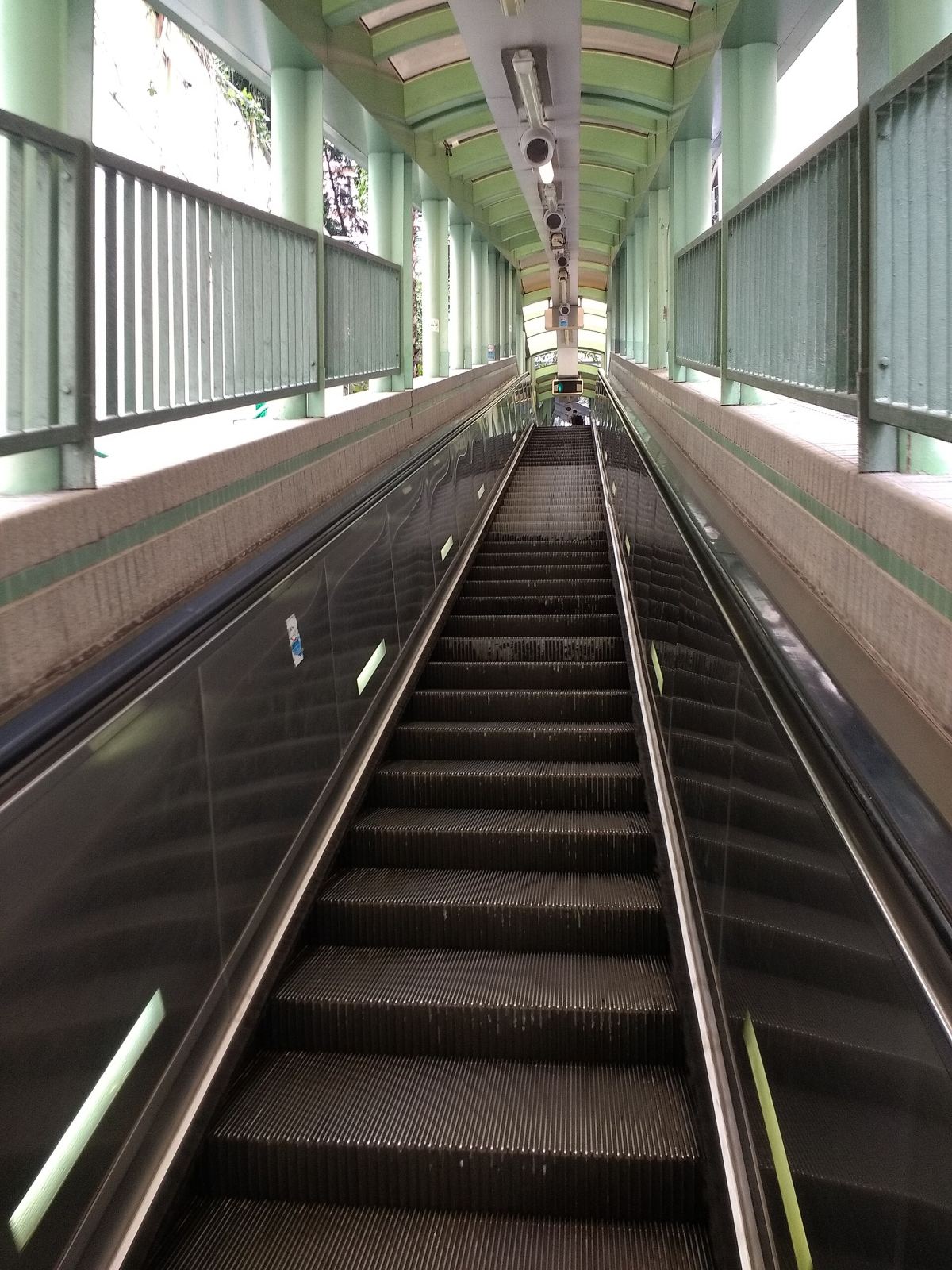
Because the escalator reverses direction twice daily, plan your route around the current direction rather than assuming you can ride it whichever way suits you — arriving at 9:45am expecting to go up, for instance, will mean riding down instead until the switchover at 10:20am.
The escalator's construction was genuinely disruptive to the Mid-Levels and Central neighborhoods it passes through, requiring years of work threading a covered structure through an already dense, hilly urban fabric with minimal disruption to the buildings and shops lining its route. That the project succeeded well enough to become a beloved piece of city infrastructure — rather than a resented eyesore — says something about how thoughtfully it was integrated, with the covered sections doubling as informal shelter from Hong Kong's frequent rain and intense summer sun for the pedestrians and shopkeepers along its length.
SoHo — short for "South of Hollywood Road" — grew up specifically along the escalator's route, and its restaurant and bar scene is genuinely international, reflecting decades of expat and local mixing in a compact, walkable stretch of hillside streets. Elgin Street and Staunton Street, both crossed directly by the escalator, form the district's core, packed with everything from tapas bars to craft cocktail lounges to casual noodle shops, giving visitors a reason to get off the escalator every block or two rather than riding straight through.
The escalator sits in the heart of Central, within easy walking distance of the Star Ferry and Peak Tram, making it simple to combine with a broader day exploring Hong Kong Island's business district and waterfront. For planning where to stay relative to sights like this, see Hong Kong Island vs. Kowloon: Where to Stay.
The escalator's lower entrance sits near Central MTR Station (Island, Tsuen Wan, and Central lines), a short walk from the station's exits. From there, the system carries you directly up into SoHo and the Mid-Levels without any further transit needed — it is, after all, itself a piece of Hong Kong's public transit network, accessible for the same fare-free public use as its stairs and footbridges.
Frequently Asked Questions
It's worth pointing out that the escalator solved its original traffic problem well enough that similar systems have since been studied and proposed in other hilly cities facing the same north-south commuting mismatch. Few, if any, have matched its scale or its accidental second life as a genuine tourist attraction and neighborhood-defining piece of infrastructure rather than a purely functional commuter shortcut.
Hollywood Road, running roughly parallel to the escalator's lower stretch, is worth a dedicated detour for its concentration of antique shops and art dealers, some of which have operated for generations, dealing in everything from Ming dynasty ceramics to mid-century Hong Kong ephemera. It's a quieter, more deliberate counterpoint to SoHo's bar-and-restaurant energy, and the two together give the escalator's route a genuinely wide range of things to see beyond simply riding it.