Chongqing on $28 a Day
Chongqing is one of China's most affordable major cities — here's how to comfortably budget $28 a day for hostels, street food and metro rides.

Chongqing is one of China's most affordable major cities, and it's genuinely possible to see Hongyadong, Ciqikou and the Yangtze River Cableway on a tight budget without cutting corners on food — if anything, the cheapest xiaomian stalls often serve the best version of the dish.
With the right choices, $28 a day is a realistic budget in Chongqing — one that still lets you eat well, get around efficiently, and see the city's essential sights.
Daily Budget Breakdown
🏨 Where to Sleep for Under $15 a Night
Chongqing's hostel scene is concentrated around Jiefangbei and the area near Ciqikou, both well-connected by metro and within reach of the city's main sights.
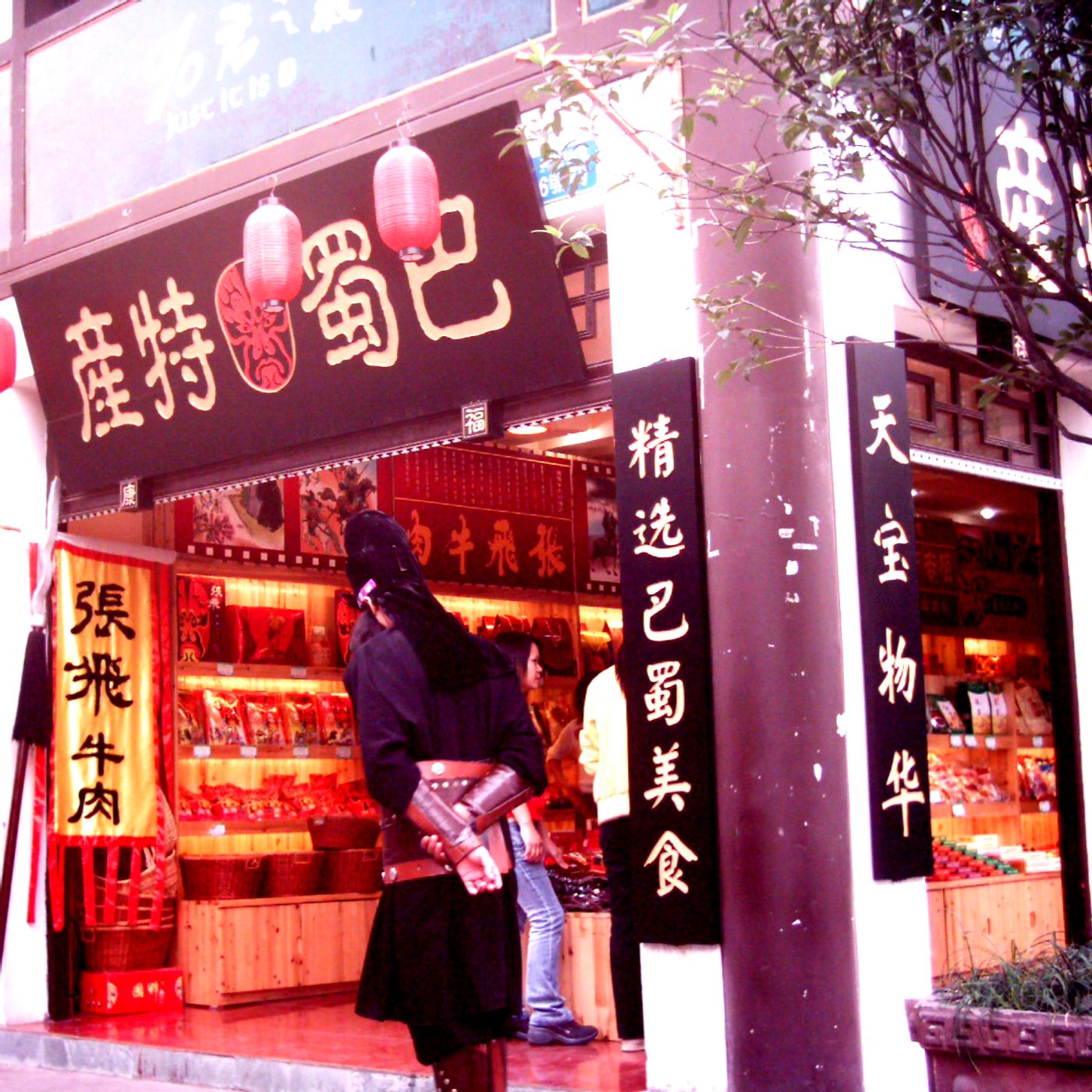
| Option | Avg. Price/Night | Best For |
|---|---|---|
| Hostel Dorm Bed | $8–$16 | The cheapest realistic option, widely available near Jiefangbei |
| Budget Hotel Room | $18–$35 | A private room without a huge price jump from a hostel |
| 3-Star Hotel | $30–$55 | More consistent amenities and a private bathroom guaranteed |
🌶️ Eating Well for Under $13 a Day
Chongqing's street food and noodle-shop scene is both excellent and genuinely cheap — xiaomian from a busy local stall costs a fraction of what a sit-down restaurant charges for a comparable bowl, and even a full hotpot meal can be reasonable if you skip the more elaborate meat cuts.
Xiaomian Breakfast
A bowl of Chongqing's everyday noodles from a local stall, the classic cheap breakfast. Avg. ¥8–15.
Hotpot Lunch or Dinner
A shared hotpot meal at a local restaurant away from the main tourist streets. Avg. ¥40–70 per person.
Street Snacks
Chen Mahua and other fried snacks from Ciqikou or street vendors. Avg. ¥5–15.
🚇 Getting Around Cheaply
Chongqing's metro is extensive, cheap and reaches nearly all of the city's main sights, including a memorable stretch where Line 2 runs directly through a residential building at Liziba station. Didi (China's equivalent of Uber) fills in the gaps affordably for trips the metro doesn't cover. Given the city's steep, hilly layout, factor in that walking between two nearby-looking points can take longer than a flat-city map might suggest.
⚖️ $28 vs. $65 a Day: What Actually Changes
It's worth being clear about what a $28 budget does and doesn't get you. You'll sleep in a hostel dorm rather than a hotel room, eat mostly at street stalls and no-frills local restaurants rather than upscale hotpot houses, and stick to the free Hongyadong and Ciqikou sightseeing rather than every paid attraction.
More than doubling the budget to around $65 a day mainly buys back comfort — a 4-star hotel room, a proper sit-down hotpot dinner with better cuts of meat, and room for the Yangtze River Cableway and other small paid extras without a second thought. The core experience of Chongqing — Hongyadong at night, Ciqikou's streets, the hotpot and xiaomian — is available at either budget; $65 a day just removes the trade-offs.
🏛️ Free and Cheap Things to Do
Hongyadong
Free to walk through, day or night — the city's best free experience, especially once the lights come on after dark.
Ciqikou Ancient Town
Free to enter and wander the old streets, even if you only window-shop the snack stalls.
Jiefangbei & the Liberation Monument
Free to visit, and a natural hub for a day of downtown walking.
Nanbin Road
Free riverside promenade with some of the city's best skyline views back across the Yangtze.
🧾 Sample $28 Day Budget
| Item | Cost |
|---|---|
| Hostel dorm bed | $11 |
| Breakfast (xiaomian) | $2 |
| Lunch (local noodle or rice shop) | $5 |
| Dinner (shared hotpot, budget cuts) | $6 |
| Transport (metro rides) | $3 |
| Evening walk at Hongyadong | $0 |
| Miscellaneous | $1 |
| Total | ~$28 |
Eating at restaurants directly inside Ciqikou's busiest tourist streets and ordering premium meat cuts at hotpot without checking prices first are the two easiest ways to blow through a $28 daily budget in Chongqing.
📱 Useful Apps and Tools for Budget Travel
Didi is the standard ride-hailing app and works well in English for visitors. A VPN is essential before you arrive, since Google Maps, Gmail and most Western apps and sites aren't accessible in mainland China without one — download and test it before you fly. Alipay and WeChat Pay both support tourist accounts linked to a foreign card, genuinely useful since cash is becoming less common even at small vendors.
A translation app with an offline mode is worth having for menus and signage, since English is considerably less common in Chongqing than in Shanghai or Beijing.


