Dihua Street: Taipei's Historic Dried Goods and Textile Quarter
Wander Dihua Street, Taipei's oldest commercial street, lined with Qing-dynasty and baroque-era shophouses, dried goods wholesalers, and the Lunar New Year market.
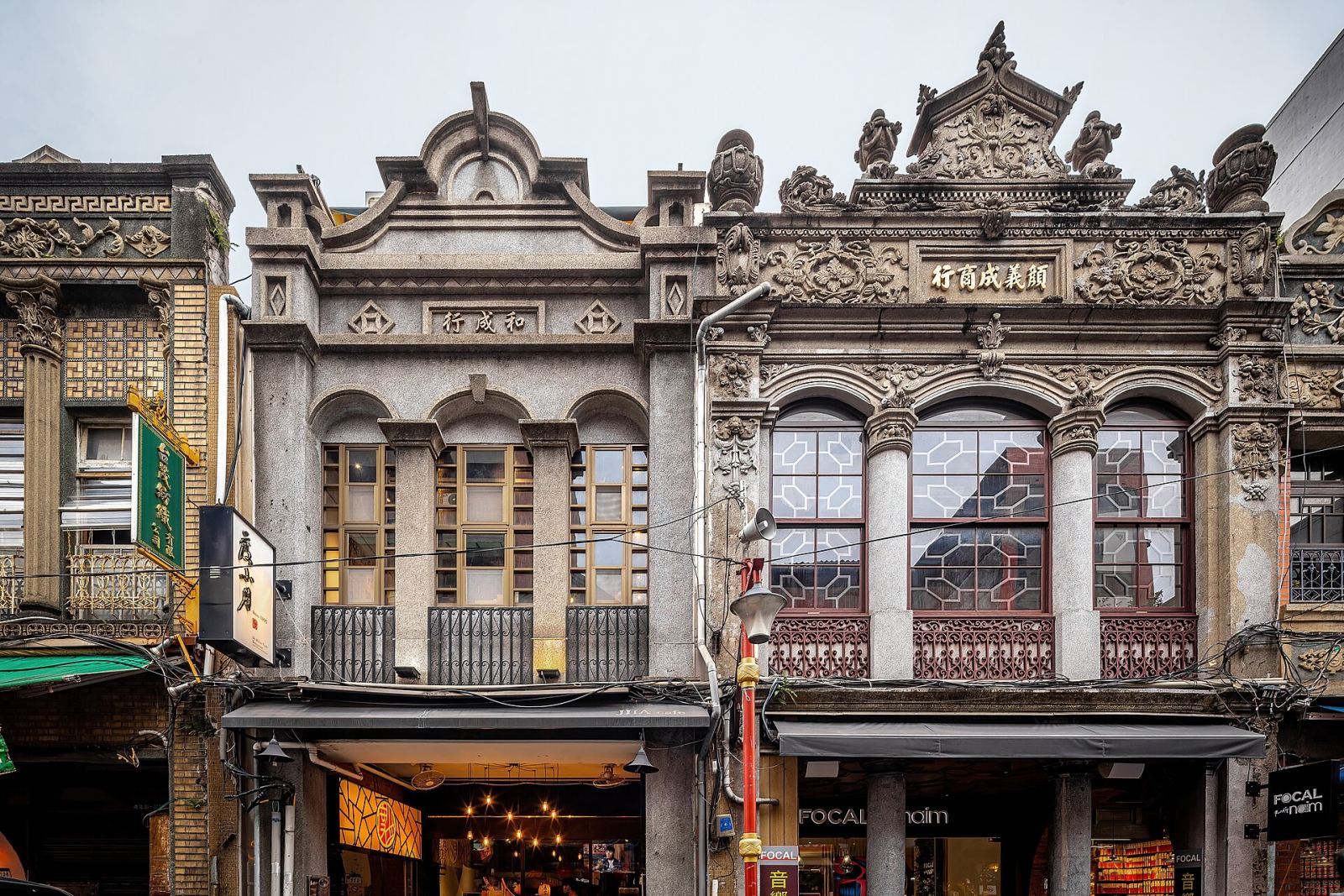
Dihua Street: Taipei's Historic Dried Goods and Textile Quarter
Dihua Street (迪化街) is widely considered Taipei's oldest surviving commercial street, a roughly one-kilometer stretch in the Dadaocheng district that has functioned as a trading hub since the 1850s. Where much of Taipei has been rebuilt and modernized over the decades, Dihua Street has preserved an unbroken run of historic shophouses, their facades blending southern Chinese Fujian style, Qing-dynasty brickwork, and ornate Western-influenced baroque flourishes added during the Japanese colonial period. Walking its length feels like paging through a physical timeline of Taipei's architectural history, with each block reflecting a different era of the city's commercial growth.
The street rose to prominence as Taipei's center for the tea trade in the late 19th century, when Dadaocheme's port on the Tamsui River made it the natural point for shipping Taiwanese oolong to markets abroad. As the tea trade eventually declined, Dihua Street pivoted toward dried goods, herbal medicine, and textiles, a specialization it retains to this day. Family-run shops here still sell dried mushrooms, scallops, goji berries, and Chinese medicinal herbs by the kilogram out of wooden barrels and glass jars, exactly as their grandparents' generation did, making the street one of the few places in Taipei where old-world wholesale commerce is still visibly, audibly, and aromatically alive.
Every Lunar New Year, Dihua Street transforms into the epicenter of Taipei's holiday shopping, as the Dihua Street Lunar New Year Market draws hundreds of thousands of visitors over roughly two weeks. Vendors set up temporary stalls selling New Year snacks, candied fruits, dried delicacies, and gift baskets, and the normally sedate street becomes one of the most crowded places in the entire city. Even outside the holiday rush, however, the street rewards a slower pace: many of the dried goods shops welcome browsers and are happy to explain what different herbs and ingredients are used for, even if you don't read Chinese.
Architecturally, the street is loosely divided into sections by era. The northern end near Yongle Market retains more of the original Fujian-style shophouses, with narrow frontages and deep, tunnel-like interiors designed to maximize street-facing shop space while keeping storage and living quarters behind. Further south, the Japanese colonial-era buildings show heavier European influence, with decorative pediments, columns, and relief carvings above the shopfronts. Look up rather than just ahead as you walk; the real detail of Dihua Street's architecture lives in the upper facades, which most hurried shoppers below never notice.
| Time of Year | Atmosphere | Best For |
|---|---|---|
| Regular weekdays | Calm, working wholesale street | Browsing shops, photography, quiet exploring |
| Weekends | Moderately busy with tourists and locals | Cafes, boutiques, leisurely shopping |
| Lunar New Year (2-3 weeks prior) | Extremely crowded market atmosphere | Festival snacks, gift shopping, atmosphere |
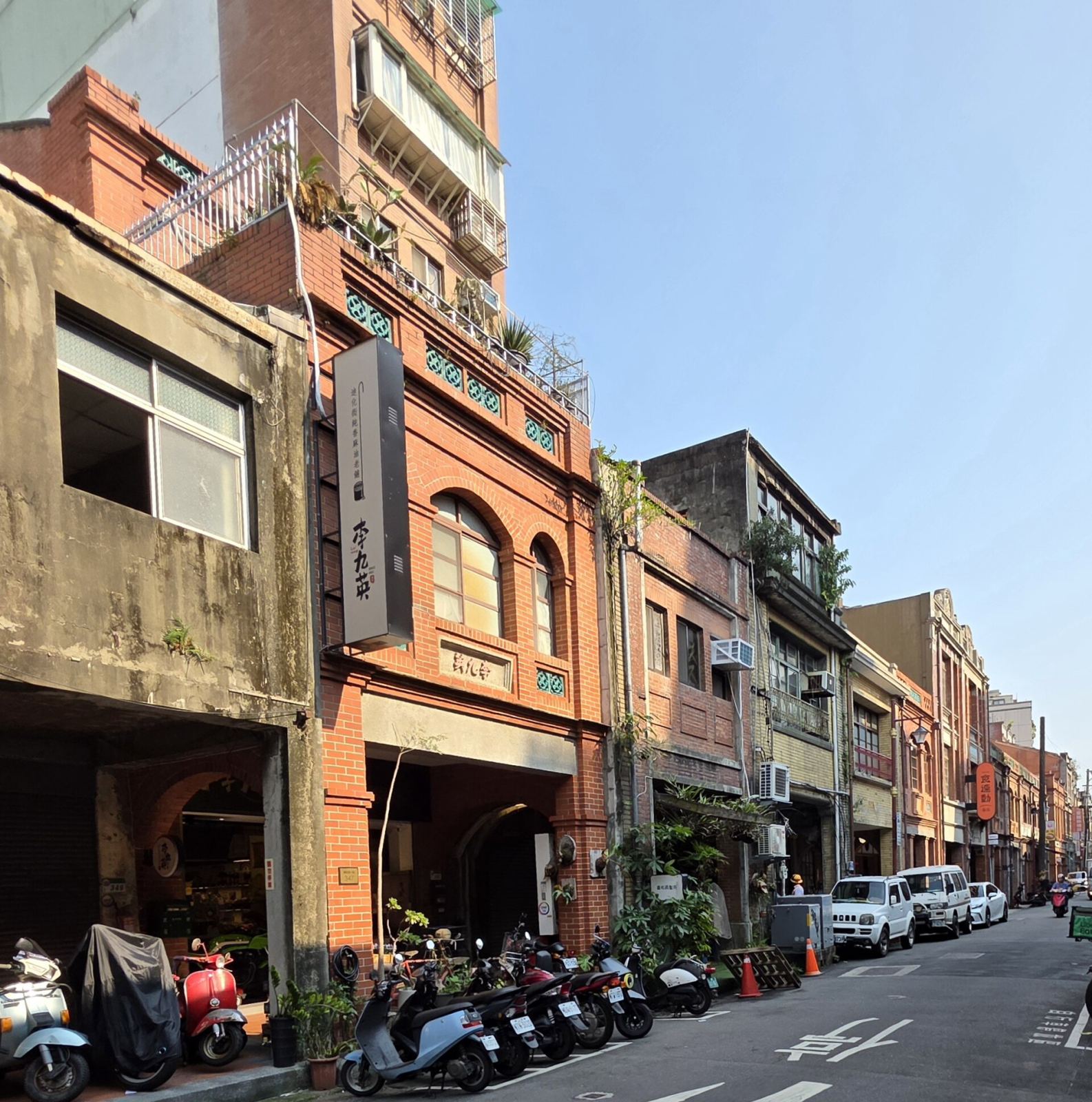
In recent years, young entrepreneurs have opened design studios, specialty coffee shops, and boutique fashion stores inside restored shophouses along the street, so alongside the wholesalers you will also find contemporary galleries and concept stores tucked behind historic facades.
Yongle Market, at the street's midpoint, anchors the textile side of Dihua Street's identity. The building's upper floors house dozens of fabric vendors selling everything from silk to synthetic blends by the meter, a holdover from the era when Dadaocheng supplied cloth to tailors across northern Taiwan. The ground floor operates as a more conventional wet market, making it a good stop for adventurous eaters wanting to see, and taste, the raw ingredients behind Taiwanese home cooking. A handful of simple local eateries inside and around the market serve some of the best-value lunches in the neighborhood, often for a fraction of what a similar meal would cost in central Taipei's more tourist-heavy districts.
Dadaocheng, the wider district containing Dihua Street, also holds several small but worthwhile heritage sites within easy walking distance, including the Xiahai City God Temple, famous locally as a matchmaking temple where singles pray to the God of Marriage, and several restored merchant mansions now used as cultural centers or cafes. Because the whole area is compact and flat, it's easy to combine a Dihua Street visit with a stroll along the nearby Tamsui River waterfront, particularly around sunset when the light on the old shopfronts turns a warm gold.
The Xiahai City God Temple deserves a closer look on its own merits, not just as a nearby curiosity. Tucked into a modest storefront rather than a grand standalone complex, the temple is one of Taipei's most densely packed sacred spaces, housing hundreds of carved deity statues within a surprisingly small footprint. Its enduring popularity as a matchmaking temple, where single visitors burn incense and pray to Yue Lao, the God of Marriage, for a good match, draws a steady stream of hopeful visitors from across Taiwan and increasingly from abroad, some of whom report their prayers answered and return afterward to give thanks with offerings of candy or cookies left at the altar.
To reach Dihua Street, take the MRT to Daqiaotou Station on the Orange Line and walk roughly ten minutes south, or take a taxi directly, which is inexpensive from most central Taipei locations. Buses also run along nearby Chongqing North Road. The street itself is pedestrian-friendly but narrow and can have scooter traffic on cross streets, so keep an eye out when crossing. Most shops open mid-morning and close by early evening, so this is best visited as a daytime activity rather than after dark.


