Hanoi's French Quarter and Opera House, Explained
Wide colonial boulevards, a Palais Garnier lookalike, and the district built to feel like a different city entirely.

Hanoi's French Quarter sits just south and east of Hoan Kiem Lake, and it offers a genuinely striking contrast to the dense, chaotic energy of the neighboring Old Quarter — wide, tree-lined boulevards, grand government buildings, and elegant colonial-era villas that together form one of the most complete surviving examples of French colonial urban planning anywhere in Southeast Asia. Where the Old Quarter grew organically over centuries of Vietnamese commerce, the French Quarter was laid out deliberately by colonial administrators starting in the late 19th century, and that difference in origin is visible in almost every street.
The Hanoi Opera House stands as the district's single most impressive landmark, completed in 1911 and modeled directly on the Palais Garnier in Paris, right down to its neoclassical Beaux-Arts detailing, Greco-Roman columns, and central dome. The building has witnessed more than a century of Vietnamese history unfold around it, from French colonial rule through the August Revolution of 1945, when it served as a genuine focal point for the uprising, and it remains an active performance venue today, hosting opera, ballet, and traditional Vietnamese music.
The Opera House's interior, with three separate halls, crystal chandeliers, and sweeping marble staircases, is generally closed to casual visitors and accessible primarily to ticketed performance attendees, which makes catching an actual show here one of the more special, if pricier, ways to experience the building beyond simply admiring its façade from the surrounding square. The exterior alone, though, particularly in the late afternoon light, remains one of the most photographed buildings in the entire city and is well worth the short walk from Hoan Kiem Lake regardless of whether a performance happens to be on the schedule that day.
| Time | Atmosphere | Best For |
|---|---|---|
| Morning | Quiet, wide boulevards nearly empty | A peaceful architectural walk |
| Late afternoon | Warm light on colonial façades | Photographing the Opera House and villas |
| Evening (performance nights) | Opera House lit and lively | A ticketed show inside the Opera House |
| Weekday | Government buildings active, formal atmosphere | A more subdued, businesslike walk through the quarter |
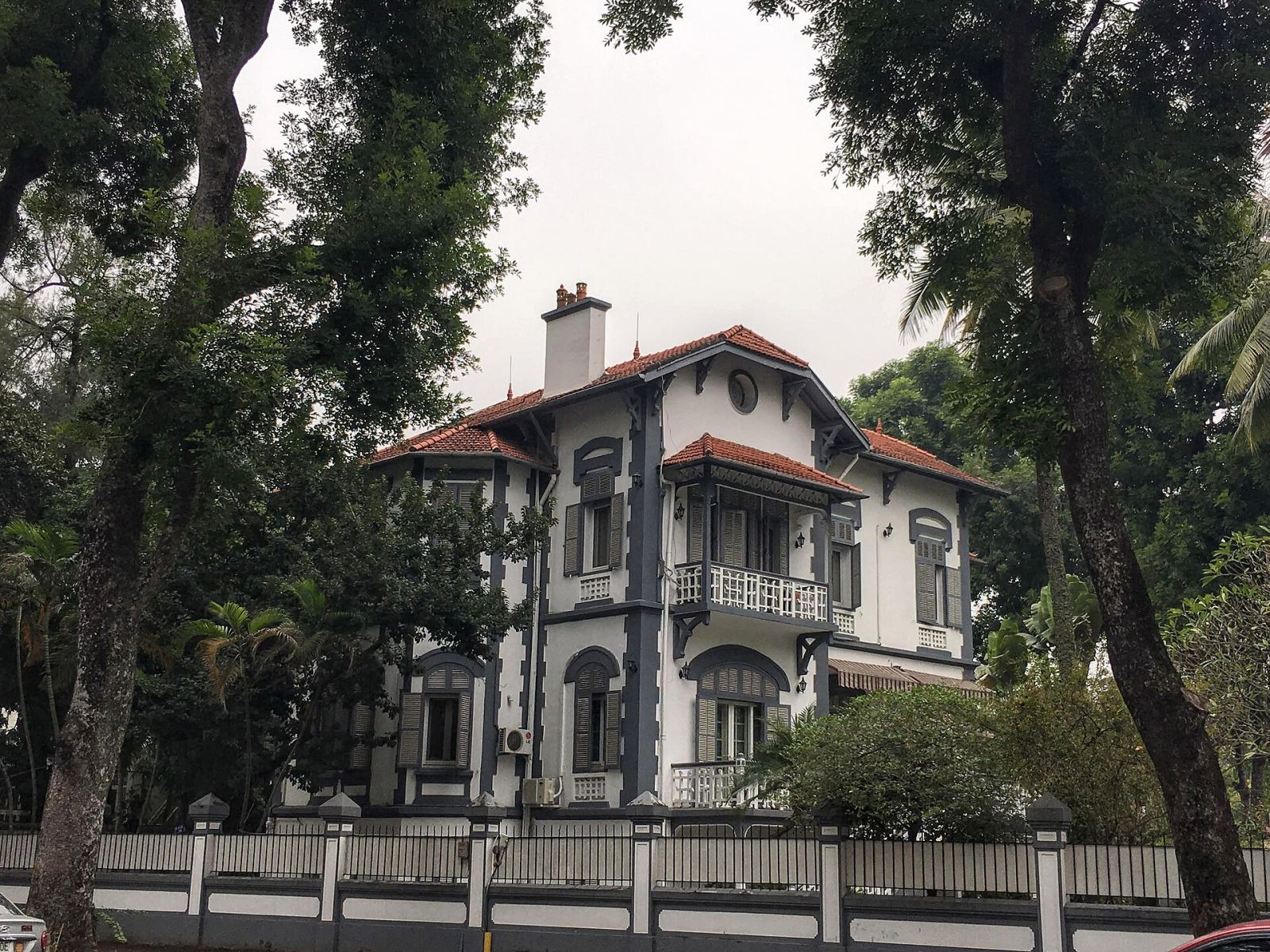
Beyond the Opera House, the French Quarter's residential streets hold dozens of surviving colonial villas, many now serving as embassies, museums, or private residences for Vietnam's wealthier families, their distinctive tiled roofs, shuttered windows, and wraparound balconies offering a genuinely different architectural texture from anywhere else in Hanoi. The Vietnam History Museum, itself housed in a striking colonial-era building blending French and Indochinese architectural styles, sits within the district and offers useful historical context for visitors interested in going beyond the streetscape alone.
Performances at the Hanoi Opera House, including the popular "Sound of Hanoi" show blending traditional Vietnamese music and folk elements, often sell out, particularly during peak tourist season. Booking a few days ahead is worth doing if seeing the interior is a priority rather than just the exterior.
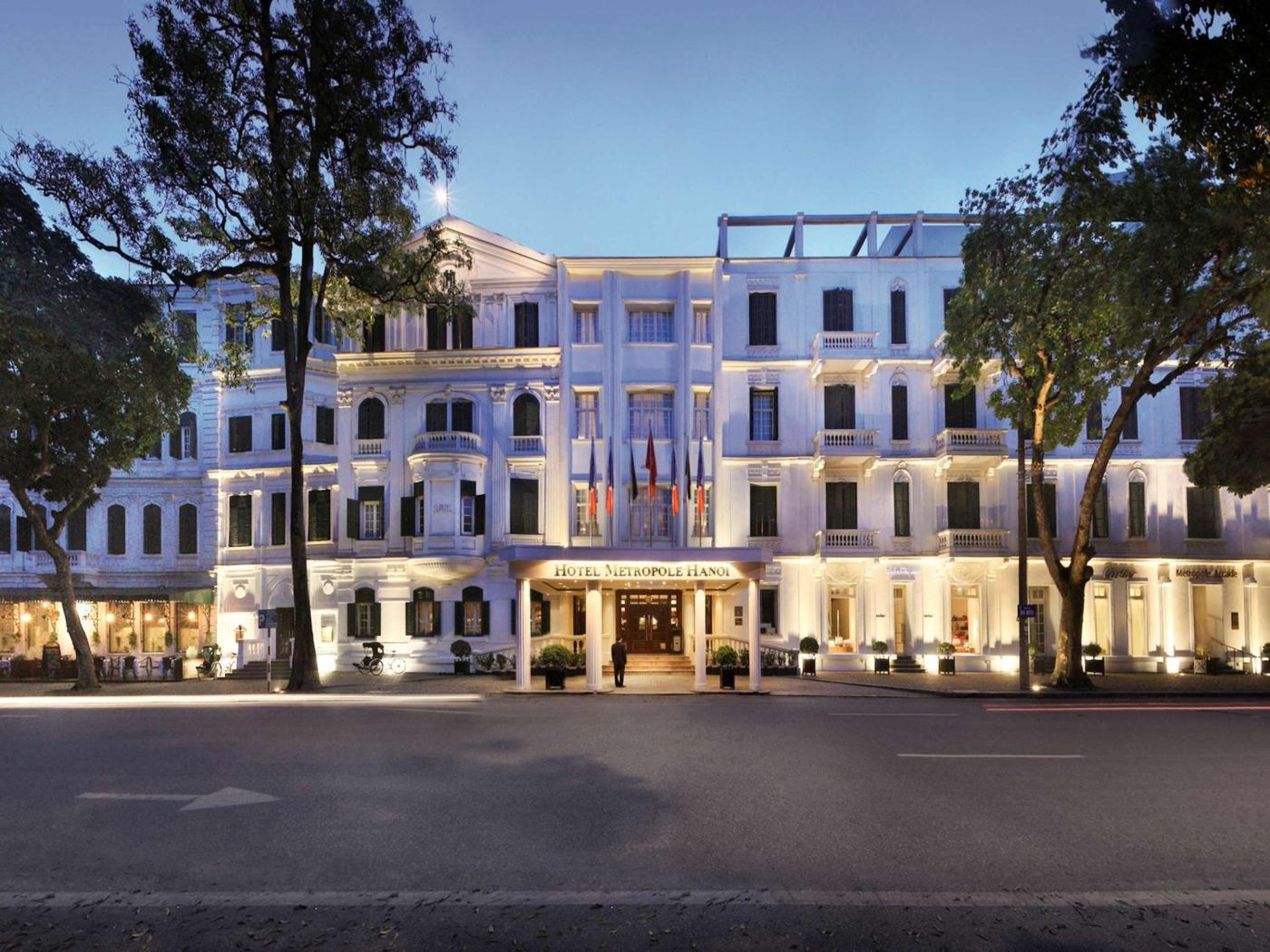
The Metropole Hanoi, a historic luxury hotel dating to 1901 and located within the French Quarter, is worth knowing about even for visitors not staying there — its lobby and bar are open to outside guests, and the hotel maintains a small on-site museum about its own colonial-era history, including a preserved wartime bunker used during American bombing raids in the Vietnam War, a genuinely sobering counterpoint to the district's otherwise elegant architectural character.
The French Quarter is roughly 500 meters from Hoan Kiem Lake, making it an easy extension of a central Hanoi walking day rather than a separate destination requiring dedicated transport. The district's wide, shaded boulevards make it one of the more comfortable parts of the city to walk during the middle of the day, a welcome contrast to the narrower, more crowded streets of the Old Quarter just a short walk away.
Many of the French Quarter's grand government buildings, including the Presidential Palace and several ministry headquarters, occupy former colonial administrative structures repurposed after Vietnamese independence, giving the district a genuinely layered political history — buildings originally designed to project French colonial authority now serve as the seat of an independent Vietnamese government, a symbolic reversal that's easy to overlook without knowing the history behind the architecture.
Tree cover in the French Quarter is noticeably denser than in the Old Quarter, a deliberate feature of the original colonial urban planning that still pays off for modern visitors, offering genuine shade during Hanoi's hot, humid months and making the district one of the more comfortable parts of the city center for an unhurried midday walk.
Several boutique art galleries and design shops have opened along the French Quarter's quieter side streets in recent years, occupying ground floors of colonial-era buildings and adding a contemporary retail layer to a district otherwise defined primarily by its historic architecture and government function.
St. Joseph's Cathedral, a neo-Gothic church completed in 1886 and modeled loosely on Notre-Dame de Paris, sits just at the edge of the French Quarter near the Old Quarter boundary, its blackened stone façade offering another striking, and somewhat older, example of French religious architecture worth folding into a broader walk through the district.
Diplomatic missions from numerous countries maintain their embassies within the French Quarter's colonial-era buildings, continuing the district's long-standing role as a center of formal, official Hanoi even as the surrounding city has grown and modernized considerably around it over the past several decades. That ongoing institutional continuity is a large part of what has kept the district's original streetscape so genuinely well preserved through to today.