The Ho Chi Minh Mausoleum Complex: What to Know Before You Go
What's inside the Ho Chi Minh Mausoleum complex, the strict visiting rules, and when it closes each year.

The Ho Chi Minh Mausoleum Complex
This complex in central Hanoi holds several of Vietnam's most significant historical sites in one area: Ho Chi Minh's mausoleum, where his embalmed body is displayed; the Presidential Palace, a French colonial building he chose not to live in; and the simple stilt house where he actually resided, a deliberate contrast that reflects his public image of modesty.
What's in the Complex
| Site | What It Is |
|---|---|
| Ho Chi Minh Mausoleum | Ho Chi Minh's embalmed body, displayed under guard — strict rules apply |
| Presidential Palace | A French colonial building, viewable from outside but not entered |
| Ho Chi Minh's Stilt House | The simple wooden house where he actually lived and worked |
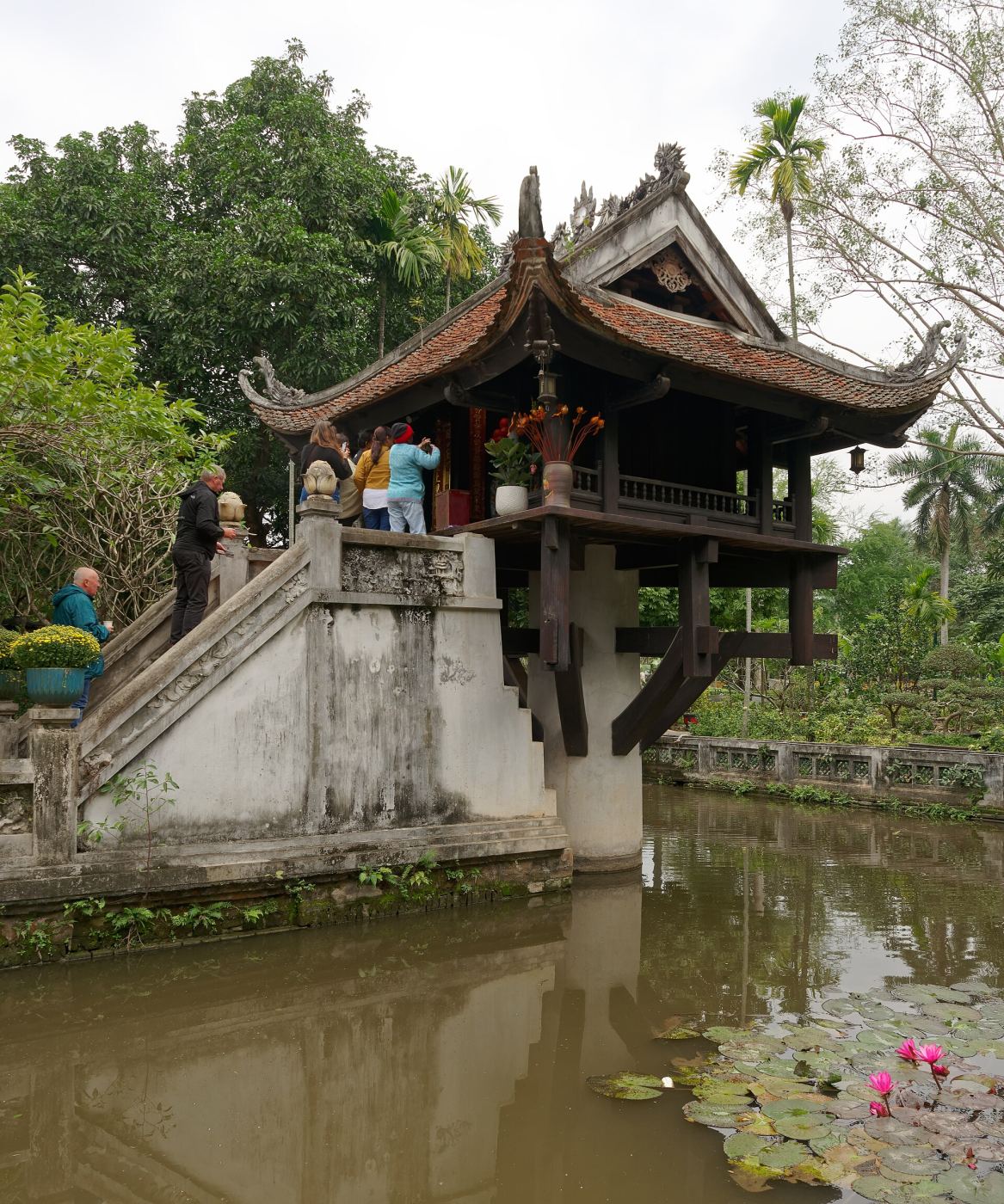
| One Pillar Pagoda | A small, iconic pagoda built to resemble a lotus flower rising from a single pillar |
Visiting the Mausoleum Itself
Entry to the mausoleum is free but strictly regulated: silence is required, photography is prohibited inside, arms cannot be crossed, and visitors must dress modestly (no shorts, sleeveless tops, or hats). The mausoleum is also closed for several weeks each year, typically September through December, when the body is sent to Russia for maintenance — worth checking before planning a visit.
Check the mausoleum's opening schedule before visiting — it closes annually for maintenance (usually September–December) and also closes on specific days of the week even when open.