The Jet d'Eau: Geneva's Fountain Landmark, Explained
The history behind Geneva's iconic fountain, where to get the best views, and a few facts worth knowing.

Geneva's Fountain Landmark
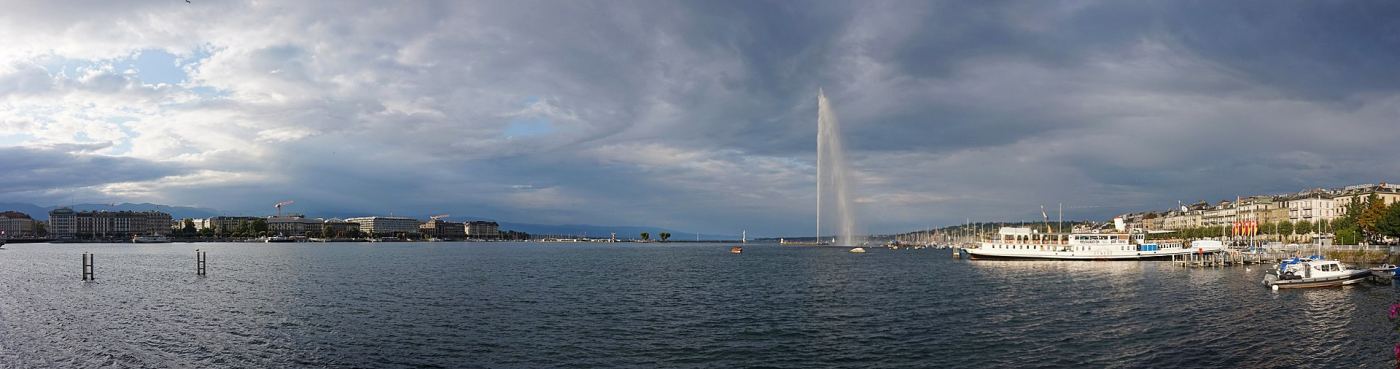
The Jet d'Eau shoots water 140 meters into the air from Lake Geneva, making it one of the tallest fountains in the world and, by a wide margin, the city's most recognizable symbol. It began in the 1880s as a safety release valve for a hydraulic power network, venting excess pressure — the striking visual effect was a byproduct, not the original intent, and it proved popular enough that the city kept it running purely for show once the original power network became obsolete.
Where to See It
The fountain is visible from nearly anywhere along Geneva's lakefront, but the closest views come from the jetty (Jetée des Eaux-Vives) that extends right up near its base — close enough that wind can carry a fine mist onto visitors on the pier, especially on breezier days. For a calmer view, the Jardin Anglais and other lakefront promenades offer a clear sightline without getting wet.
Facts Worth Knowing
| Detail | Information |
|---|---|
| Height | 140 meters (459 feet) |
| Water volume | About 500 liters per second |
| Origin | Originally a pressure relief valve for a 19th-century hydraulic network |
| Best viewing spot | Jetée des Eaux-Vives, close to the base (expect some mist) |
If you walk out onto the jetty near the fountain's base, be prepared for mist carried by the wind — it's part of the experience, but not ideal if you're trying to keep camera gear or documents dry.