Le Marais and Rue des Rosiers: Paris's Historic Jewish Quarter, Explained
A 300-meter street at the heart of the Pletzl — its history, its food, and how it fits into one of Paris's most fashionable districts today.

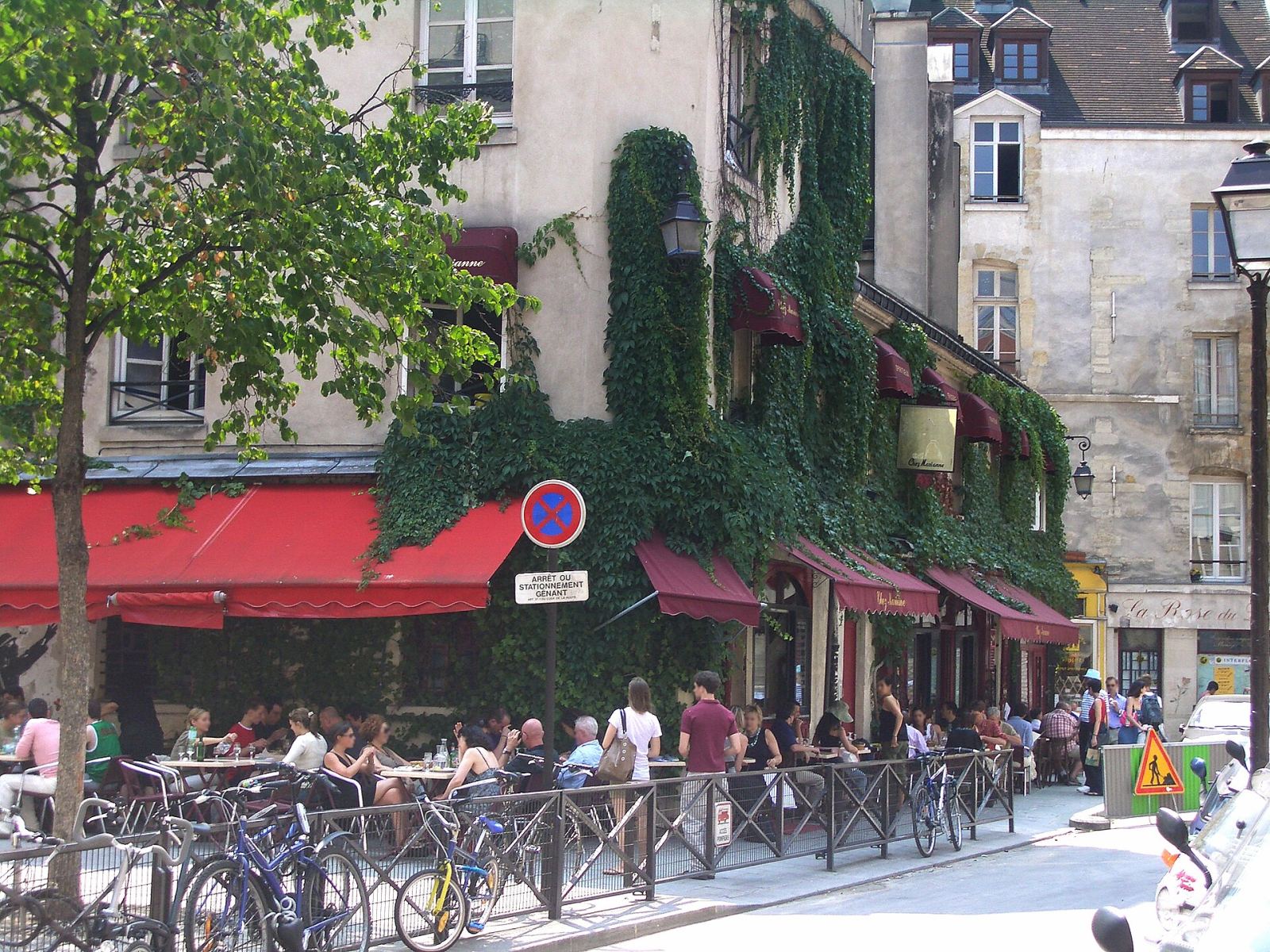
Rue des Rosiers is a narrow, cobblestoned street barely 300 meters long, tucked inside the Marais district in Paris's 4th arrondissement — and it happens to be the single most concentrated slice of Jewish Paris left standing. Locals still call the surrounding blocks "the Pletzl," Yiddish for "little place," a name that has survived more than a century of upheaval, occupation, and gentrification. Today the wider Marais is one of Paris's most fashionable neighborhoods, full of boutiques, art galleries, and — since the 1980s — the center of Parisian LGBTQ+ life. Rue des Rosiers itself remains the historic core underneath all of that: a street where falafel counters, kosher bakeries, and Hebrew-lettered shopfronts sit within a five-minute walk of some of the city's trendiest fashion stores.
It's worth understanding the Marais as a whole before narrowing in on Rue des Rosiers, since the two names get used almost interchangeably by visitors but mean different things. Le Marais — literally "the marsh" — refers to the broader medieval and early-modern district spanning much of the 3rd and 4th arrondissements, originally reclaimed swampland that became a fashionable aristocratic quarter in the 1600s before falling into decline and, eventually, cheap housing for waves of immigrant communities, Jewish residents chief among them from the 1880s onward. Rue des Rosiers is simply the single street inside that larger district where Jewish community life concentrated most heavily, and it remains the neighborhood's most legible historical thread today.
A Jewish presence along Rue des Rosiers goes back to the 13th century, but the neighborhood's modern character was shaped much later, in the 1880s, when waves of Ashkenazi Jews fled pogroms across the Russian Empire and settled in what was then one of the cheapest parts of central Paris. They built the dense web of synagogues, kosher butchers, Yiddish bookshops, and bakeries that defined the Pletzl for the next half-century. That community was devastated during World War II — the Vel d'Hiv roundup of July 1942 alone deported more than 13,000 Parisian Jews to Auschwitz, thousands of them taken directly from these streets. Small bronze plaques mounted outside school doors and apartment entrances throughout the Marais today mark the exact addresses from which Jewish families, including children, were seized; they're easy to walk past without noticing, but worth pausing at.
Despite everything the neighborhood has been through, Rue des Rosiers today is a genuinely lively street rather than a memorial. Falafel counters — L'As du Fallafel among the most famous, with a queue that regularly spills into the street — serve some of the best casual food in the Marais, and kosher bakeries still sell fresh challah and pastries alongside their more recently arrived Parisian-chic neighbors. The Agudath Hakehilot Synagogue on nearby Rue Pavée, designed by Art Nouveau architect Hector Guimard (better known for Paris's iconic metro entrances), is one of the few Guimard-designed religious buildings left and worth a short detour to see from outside.
| Time | Atmosphere | Best For |
|---|---|---|
| Weekday afternoons | Steady foot traffic, shops and food counters open | A relaxed first visit |
| Sunday | One of the busiest days — many Paris shops close Sunday, but the Marais stays open | Shopping, since much of the rest of the city shuts down |
| Friday evening through Saturday | Many Jewish-owned businesses close for Shabbat | Not ideal for kosher food shopping — plan around this if that's your priority |
| Weekend afternoons | Very crowded, especially around Rue des Rosiers itself | Atmosphere over comfort |
Many Jewish-owned shops and restaurants on and around Rue des Rosiers close from Friday evening through Saturday for Shabbat, unlike most Parisian businesses. If a specific kosher bakery or restaurant is on your list, plan your visit for Sunday through Friday afternoon.
The Marais's other major identity — as the center of Paris's LGBTQ+ life — grew up alongside its Jewish quarter rather than replacing it, and both communities share the same streets today with little tension, a coexistence locals point to with some pride. Rue des Archives and Rue Vieille-du-Temple, both a short walk from Rue des Rosiers, are the heart of this scene, lined with bars, cafés, and shops that have made the district one of the most visibly diverse and socially open corners of central Paris. Visiting during Paris Pride in late June puts this side of the neighborhood on full, celebratory display, though the district's rainbow flags and inclusive storefronts are a year-round fixture, not just a festival one.
The wider Marais deserves time beyond Rue des Rosiers itself. Place des Vosges, a few minutes' walk east, is the oldest planned square in Paris (completed in 1612) and one of the most elegant. The Musée Picasso and the Centre Pompidou both sit within easy walking distance, and the district's narrow medieval streets — some of the few in central Paris that survived Baron Haussmann's 19th-century redevelopment largely intact — make it one of the most rewarding neighborhoods in the city simply to wander without a fixed destination.
Le Marais sits within easy reach of central Paris's other major sights, including the Louvre across the river. If you're building a food-focused day around the neighborhood's falafel and bakeries, our guide to Best Croissants and Bakeries in Paris covers several spots within the district. And for the bigger picture on timing a Paris trip, see How Many Days Do You Need in Paris?
Rue des Rosiers and the surrounding Marais are best reached via Metro Saint-Paul (Line 1), which drops you within a two-minute walk, or Hôtel de Ville (Lines 1 and 11), a slightly longer but still easy walk. The district has no significant vehicle access on its narrower streets, so once you arrive, plan to explore entirely on foot — which suits the neighborhood's scale far better than trying to drive or taxi between stops.