Mango Sticky Rice in Bangkok: When and Where to Get the Best Version
A guide to Thailand's classic mango sticky rice dessert — when mango season peaks, what good sticky rice should look like, and where to find it in Bangkok.
Mango Sticky Rice: Thailand's Signature Dessert
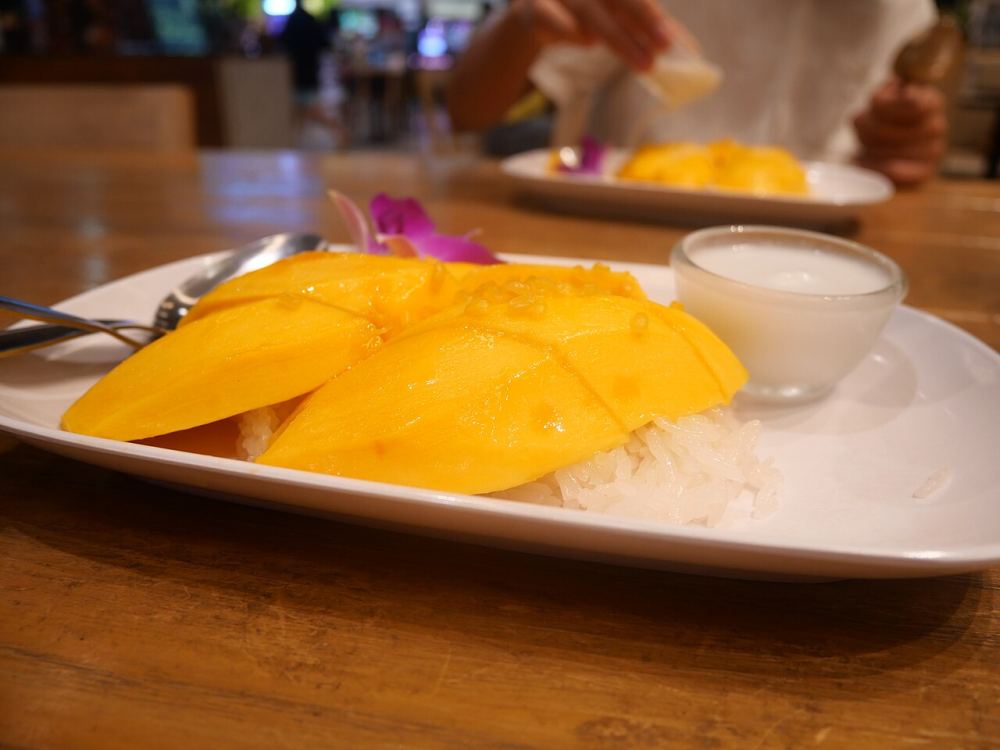
Mango sticky rice (khao niao mamuang) is about as simple as a dessert can get — sweetened glutinous rice, ripe mango, and a drizzle of coconut cream — but the combination has made it one of Thailand's most iconic dishes. It's sold everywhere from high-end restaurant dessert menus to street carts, and it's genuinely seasonal in a way a lot of tourist-facing food isn't: it's built entirely around fresh mango, so quality varies a lot depending on the time of year.
When It's Best
Thai mango season runs roughly from March to June, when mangoes (typically the nam dok mai variety) are at their sweetest and most fragrant. Outside this window, the dish is still widely available, but the mango is more likely to be imported or from cold storage, and noticeably less sweet.
| Season | Mango Quality | Notes |
|---|---|---|
| March – June | Peak | Best time to try it — mangoes are at their sweetest |
| July – October | Declining | Still good, but less consistently sweet |
| November – February | Off-season | Often uses imported or stored mango |
Where to Find It
Street vendors near markets and tourist areas (Chatuchak, Chinatown, and the areas around major temples) usually sell it fresh, sometimes displayed alongside other tropical fruit. A few dedicated dessert shops have built a reputation specifically around their mango sticky rice, using premium mango varieties and slightly richer coconut cream than the average street stall.
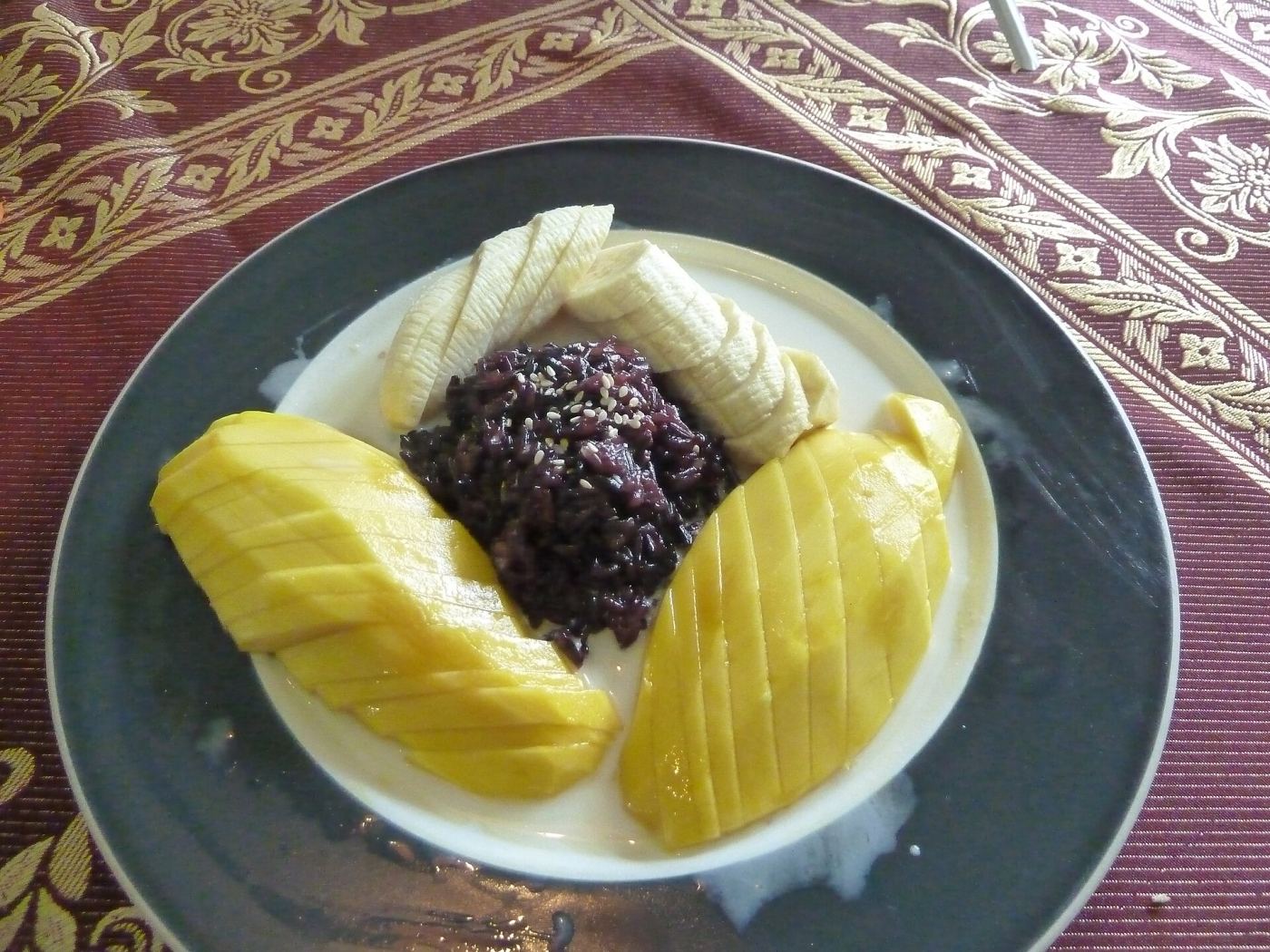
The rice should be glossy, slightly sticky, and lightly sweet on its own, with a thin layer of coconut cream (sometimes with a pinch of salt) poured over just before serving — not soaked or soggy.