Msheireb Downtown Doha: Inside the World's First Sustainable Downtown
Shaded streets, a free tram, and Qatari-style architecture on the site of the city's oldest springs and commercial heart.
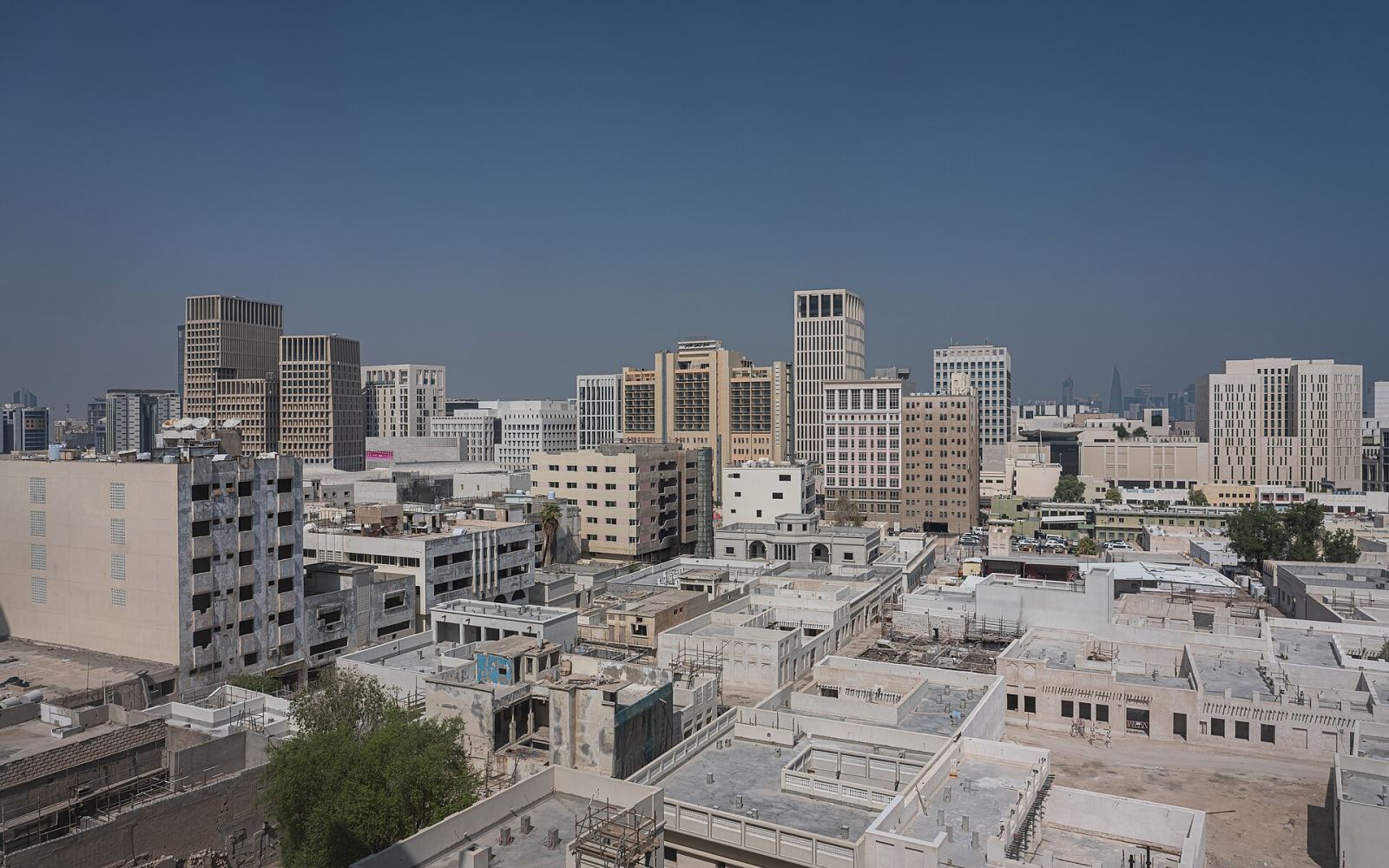
Msheireb Downtown Doha occupies the historic commercial heart of the city, right next to Souq Waqif, and it markets itself as the world's first fully sustainable downtown regeneration project — a claim that sounds like marketing language until you actually walk the district and notice how deliberately different it feels from the rest of Doha's rapid, largely car-oriented development. Shaded walkways, a free electric tram, and buildings built to a shared, LEED-certified architectural standard give Msheireb a genuinely walkable, human-scaled character that much of the wider city, built around highways and towers, simply doesn't have.
The name Msheireb translates roughly to 'a place to drink water' in Arabic, a reference to the natural springs and wells that once made this specific patch of ground significant long before Doha existed as a modern city, and some of the oldest streets in Doha's history actually crossed through this exact site, several of which have been deliberately preserved within the new development rather than erased by it. The project, launched in 2010 by Msheireb Properties, a subsidiary of the state-backed Qatar Foundation, spent roughly three years researching and developing an entirely new architectural language before construction even began.
That architectural language draws heavily on traditional Qatari building forms — thick walls, shaded courtyards, wind-catching orientation, and detailed mashrabiya-style latticework — reinterpreted with contemporary materials and technology rather than simply replicated wholesale. The result is a downtown that looks unmistakably modern but reads as distinctly Qatari, a deliberate contrast to the more generically international glass towers found in West Bay and along much of the Corniche, and one of the more thoughtful pieces of large-scale urban design anywhere in the Gulf.
| Time | Atmosphere | Best For |
|---|---|---|
| Morning | Quiet, shaded streets, tram running | A calm walk before the day heats up |
| Midday | Shops and cafés busy | Retail browsing and lunch in the shade |
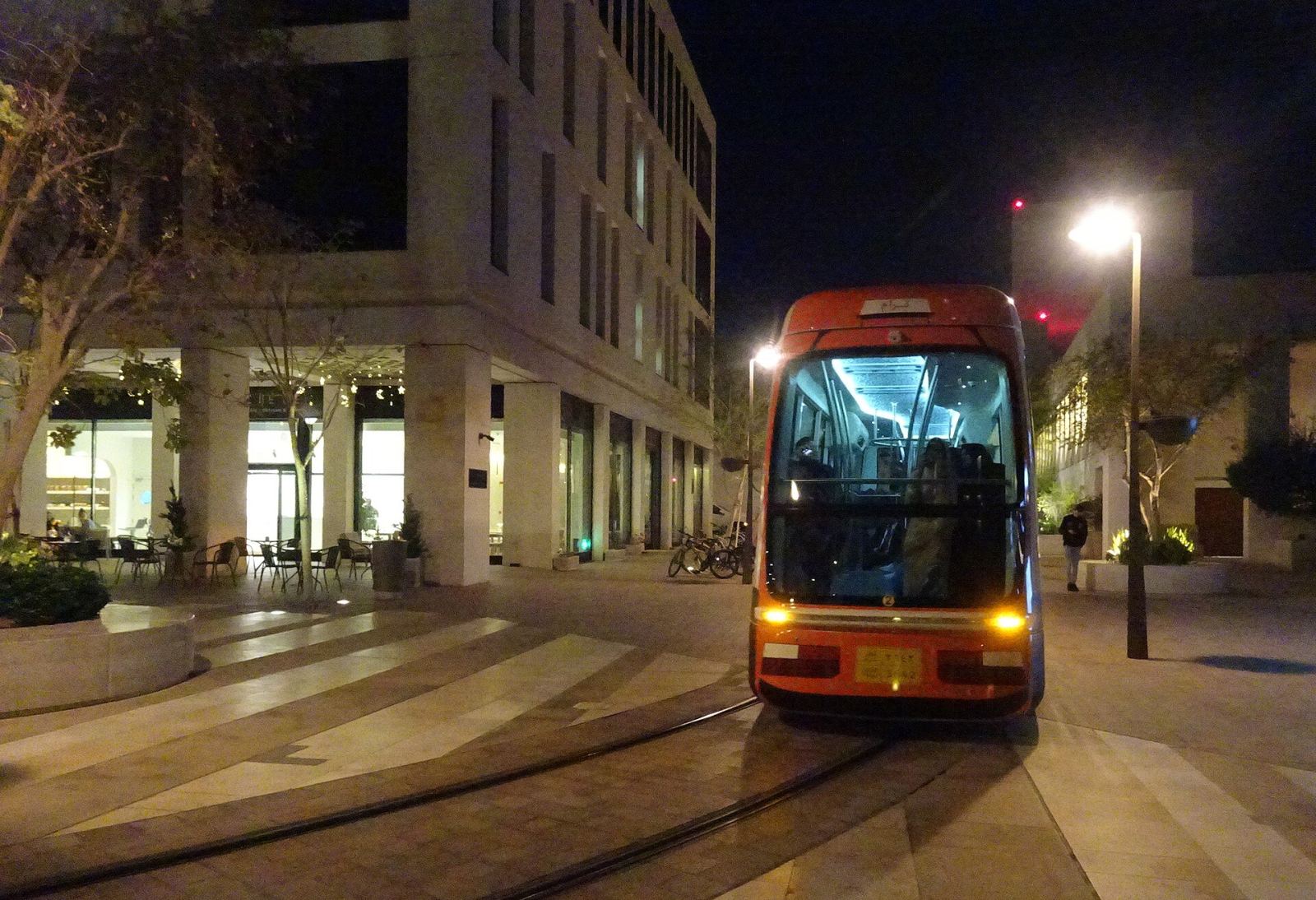
| Evening | Tram lit, restaurants filling up | Dinner and a ride on the free tram |
| Night | Illuminated architecture, cooler air | Photography and a relaxed evening walk |
Four traditional homes within the district have been carefully converted into the Msheireb Museums, each focused on a different theme — from the history of slavery and the pearling economy to the story of Qatari sport and the country's broader modernization — offering a genuinely substantive introduction to Qatari history for visitors willing to step inside rather than just admire the streetscape from outside. The museums are widely considered some of the most thoughtfully curated cultural spaces in Doha, precisely because they're housed in real historic buildings rather than purpose-built modern structures.
Msheireb's electric tram is free to ride and connects most of the district's main points, making it an easy, low-effort way to get a feel for the layout before deciding where to walk in more detail. It runs a fairly short loop, so don't expect it to substitute for exploring the side streets on foot.
Evening in Msheireb brings a genuinely different atmosphere than the daytime commercial bustle, as the tram's lights, illuminated building facades, and outdoor seating areas fill with a more relaxed after-work and dinner crowd, making a nighttime visit — particularly during Doha's cooler months from November through March — one of the more consistently pleasant ways to experience the district without the daytime heat.
With over 300 retail shops, several hotels, three mosques, and a genuine mix of commercial and residential buildings, Msheireb functions as a real neighborhood rather than a purely tourist-facing attraction, and that everyday functionality is part of what makes it worth visiting — this is downtown Doha as city planners hope the rest of the metropolitan area might eventually feel, walkable, shaded, and built around people rather than cars.
Msheireb is centrally located and easily reached on foot from Souq Waqif or by Doha Metro, which has a dedicated Msheireb station serving as an interchange for the city's main rail lines. Given how walkable the district itself is, most visitors find a car unnecessary once they've arrived, and the free tram covers any distance that feels too far to walk comfortably in Doha's heat.
Some of the streets preserved within Msheireb carry names and alignments dating back generations, a deliberate design choice that lets the new development maintain a physical, walkable memory of the old commercial district rather than erasing it entirely in favor of a fully modern street grid. Walking these preserved routes alongside the newly built sections is one of the more subtle but rewarding ways to appreciate what the project actually achieved.
Public art is scattered throughout the district as well, including large-scale murals and installations commissioned specifically for Msheireb's public spaces, adding a further layer of contemporary cultural expression to a neighborhood already built around heritage preservation and sustainable design, and giving repeat visitors new details to notice on each walk through.
The district's sustainability credentials extend well beyond its LEED-certified buildings — over 6,400 rooftop solar panels generate a meaningful share of Msheireb's own energy needs on-site, dedicated bicycle lanes run alongside the pedestrian routes, and the overall street design is oriented specifically to capture and channel cooler prevailing breezes, a genuinely thoughtful response to Doha's punishing summer heat that few other parts of the city have attempted at this scale.
Retail in Msheireb skews toward a genuine mix of international and regional brands rather than the purely luxury positioning found in some of West Bay's malls, and the district's cafés and restaurants attract a steady stream of local office workers on lunch breaks alongside visitors, giving the streets an authentically lived-in daytime energy that many purpose-built tourist zones elsewhere in the region simply lack.


