Museum of Islamic Art and Souq Waqif: Doha's Old and New in One Day
One is I.M. Pei's last major building, sitting alone on its own peninsula. The other is a rebuilt market street that feels centuries old. Together they make the best possible introduction to Doha.

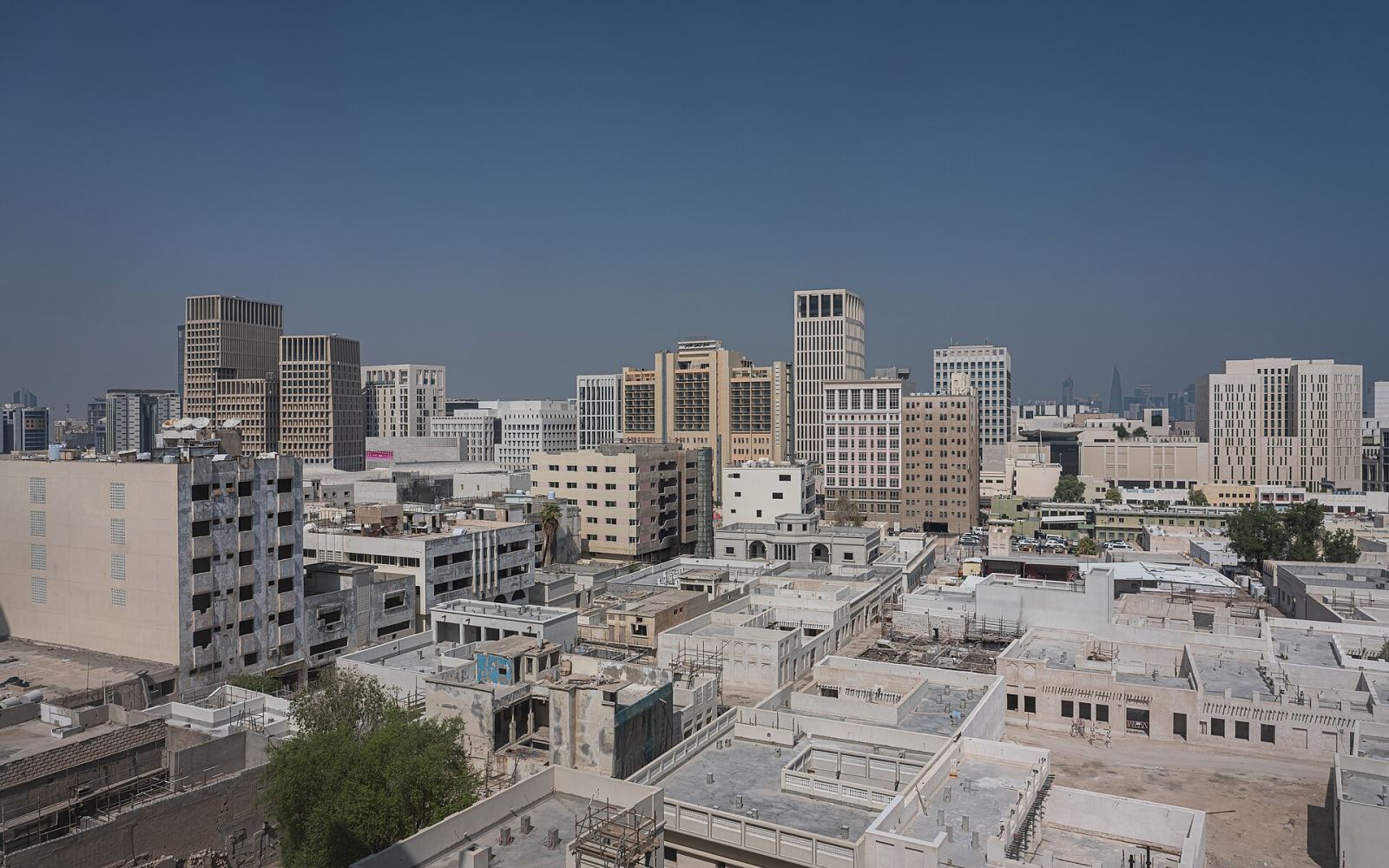
Doha rewards visitors who pair its newest architecture with its oldest atmosphere, and no combination does that better than the Museum of Islamic Art and Souq Waqif. The museum, the final major work of architect I. M. Pei before his death, sits on its own reclaimed peninsula at the southern end of the Corniche, deliberately isolated so its stark geometric form reads clearly against the water. Souq Waqif, a fifteen-minute drive or a longer walk inland, is the opposite: dense, warm-toned, and built to feel old even though most of it was reconstructed after a fire in 2003.
The Museum of Islamic Art
Pei famously came out of retirement for this project and spent time studying Islamic architecture across the Middle East before settling on a design drawing from the mosque of Ahmad ibn Tulun in Cairo, translated into a stack of limestone-clad geometric forms. Inside, the collection spans 1,400 years of Islamic art from Spain to China — textiles, ceramics, manuscripts, and metalwork arranged across five levels around a central atrium that floods with natural light from a domed skylight.
The museum is free to enter, which is unusual for an institution of this quality, and a visit comfortably fills 90 minutes to two hours. The café at the back of the building, MIA Park Café, has one of the best uninterrupted views of the West Bay skyline across the water, and is worth a stop even if you are short on time for the full collection.
Souq Waqif
Souq Waqif translates roughly to "standing market," a reference to its origin as a informal trading spot where Bedouin traders would stand and sell livestock, wool, and goods brought in from the desert. The rebuilt souq preserves that market-town layout — narrow covered lanes, wind-tower-topped buildings, and a genuine mix of spice stalls, textile shops, falcon vendors (falconry remains a serious pursuit in Qatar), and restaurants spilling into open courtyards.
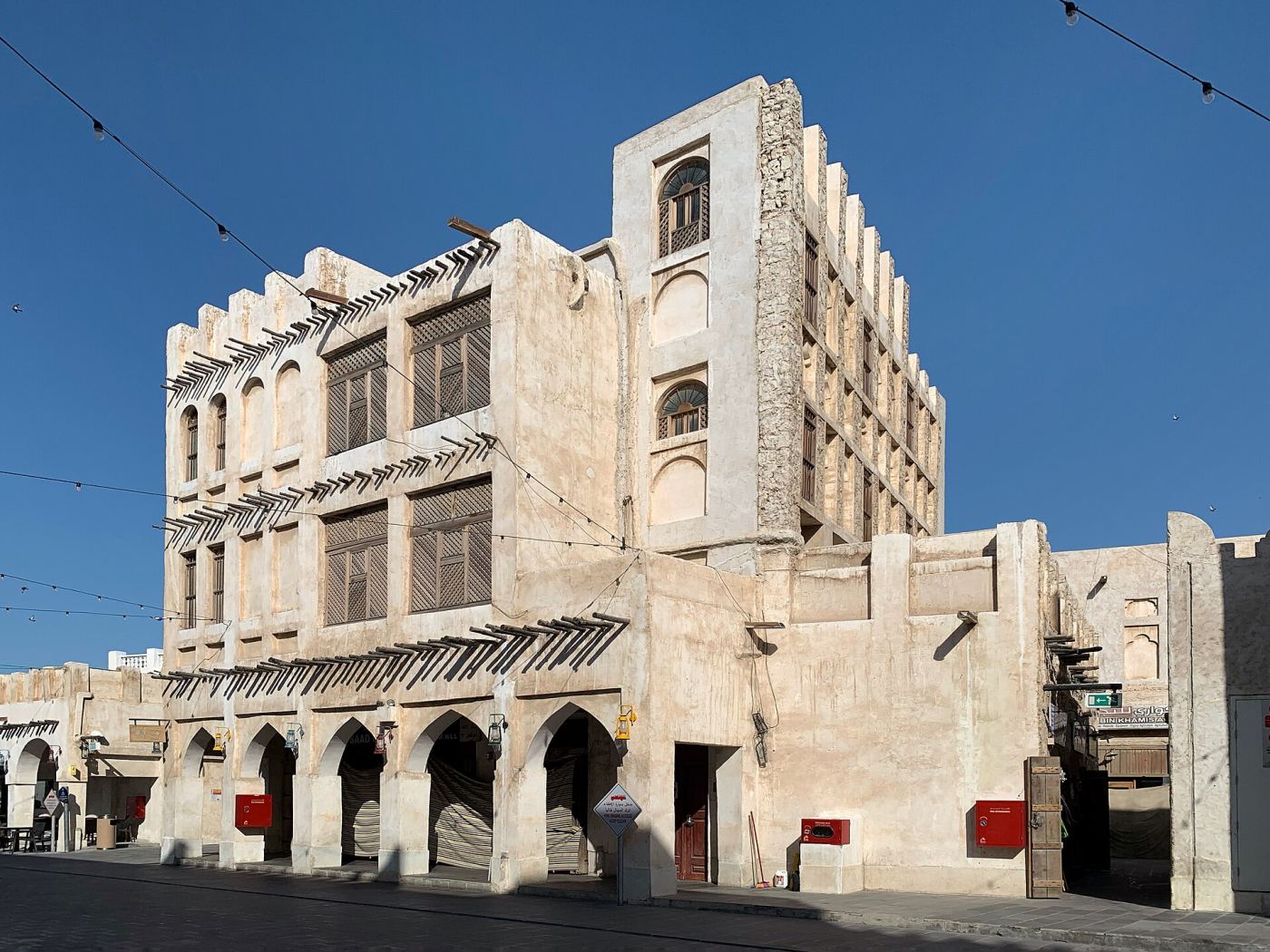
Evenings are when Souq Waqif comes alive — daytime heat keeps the lanes relatively quiet, but from around 5pm onward, as temperatures drop, the restaurant terraces fill and the market takes on a genuinely festive atmosphere, especially on weekends (Thursday and Friday nights in Qatar). The falcon souq, a small dedicated section selling and trading falcons and their equipment, is one of the more unusual browsing experiences anywhere in the region, even if you have no intention of buying a bird.
Planning the combined day
Where to stay
Hotels near the Corniche and West Bay put you within easy reach of both sites without much dependence on taxis. Listings filtered for that stretch of the city are easiest to browse on Booking.com's Doha search page, and comparing flight timing into Hamad International Airport is straightforward on Skyscanner's Doha flight page.