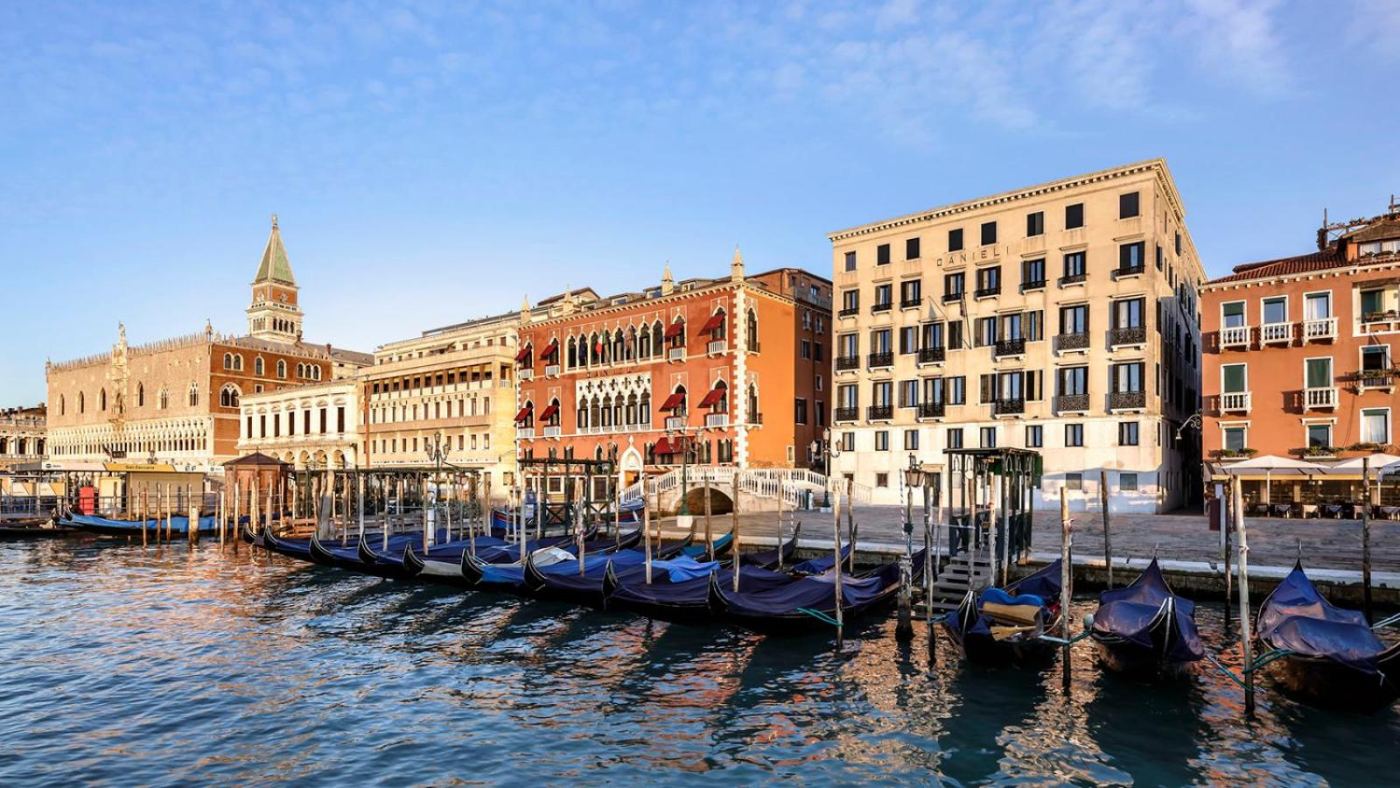
Murano and Burano in One Day: Glass, Lace, and Color
Two islands in the Venetian lagoon, a short boat ride apart, each built around a single centuries-old craft. Pairing them makes one of the most rewarding half-days outside central Venice.

A short vaporetto ride from central Venice, the islands of Murano and Burano each built their entire identity around a single traditional craft — glassblowing on Murano, lace-making on Burano — and visiting both in a single day is one of the more popular, and genuinely worthwhile, excursions from the main city. They are different enough in atmosphere that neither feels redundant after the other.
Murano: glass, refined over centuries
In 1291, Venice ordered its glassmakers to relocate to Murano, officially to reduce fire risk in the main city's densely packed wooden buildings, though it also had the effect of concentrating the trade's secrets on an easily controlled island. That relocation shaped Murano's entire subsequent history — glassmaking families developed techniques that were, for centuries, forbidden to leave the island under threat of serious punishment.
Today, several furnaces still offer live glassblowing demonstrations, most free to watch and often included as a stop on organized tours, where a craftsman shapes molten glass into a vase or figure in a matter of minutes. The Murano Glass Museum, housed in a former bishop's palace, is worth the entry fee for context on the techniques and history before or after watching a live demonstration.
Burano: color, for a very practical reason
Burano is best known today for its rows of vividly painted houses, but the coloring tradition has a functional origin: fishermen, according to local lore, painted their houses in distinct bright colors so they could recognize their own home from the water, especially in the frequent lagoon fog. Whatever the precise historical accuracy of that story, the effect today is one of the most photogenic streetscapes in Italy.
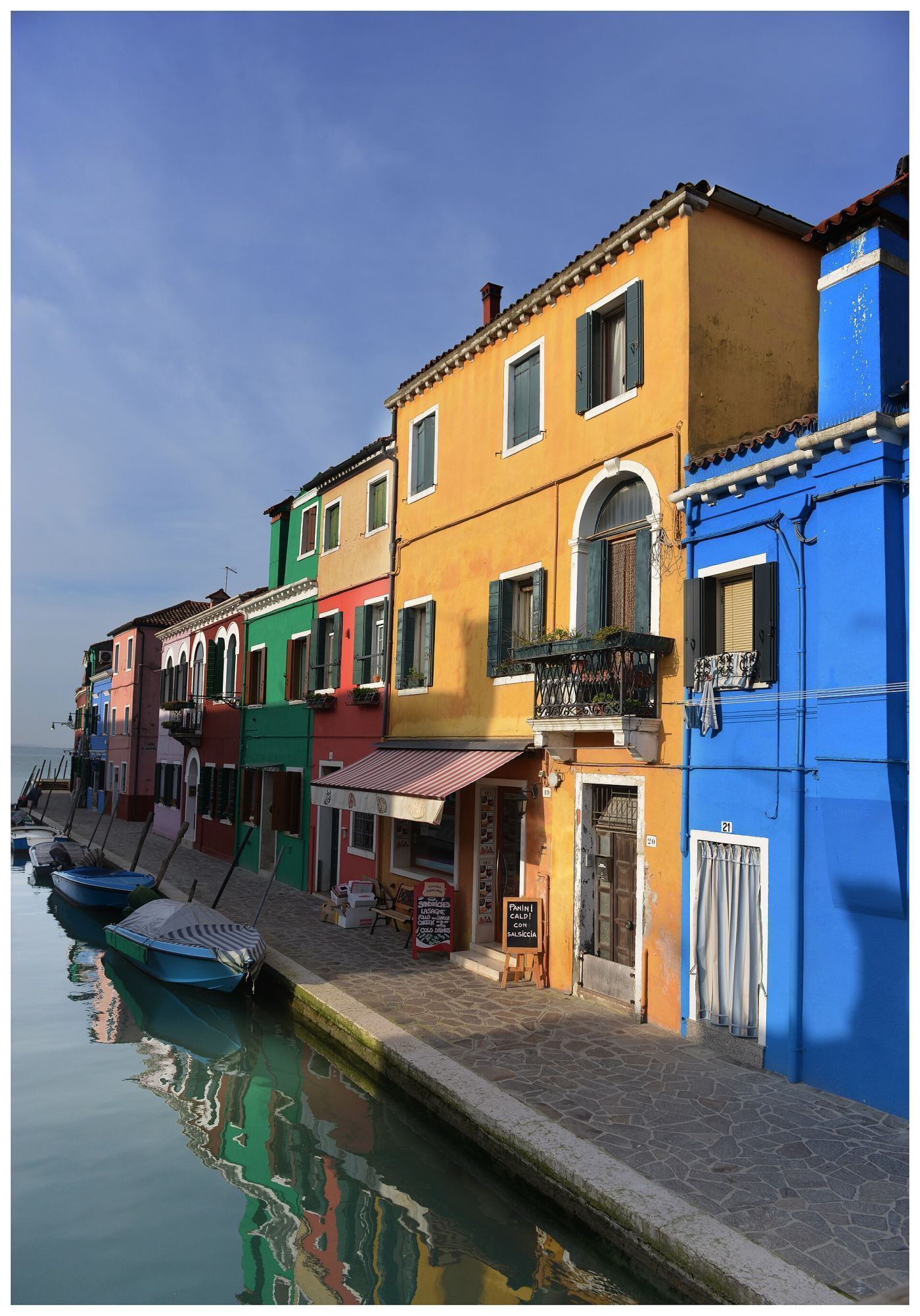
Beyond the photographs, Burano also has a genuine lace-making history, once rivaling Murano glass as one of the Venetian lagoon's most prized exports. The Museo del Merletto (Lace Museum) documents this history, and a handful of shops still sell handmade lace, though it is worth knowing that much of the lace sold to tourists today is machine-made and imported rather than handcrafted locally — asking directly if a piece is handmade is reasonable and expected.
Planning the day trip
Be cautious of very cheap "Murano glass" sold near the main Venice tourist areas — much of it is imported rather than genuinely made on the island. Buying directly from a Murano workshop, ideally one you watched demonstrate the craft, is the more reliable way to get authentic pieces.
If you would prefer a guided version that bundles transport, a glassblowing demonstration, and time on both islands, several day-trip options are listed on Klook's Venice activities page, which can simplify the vaporetto connections if you are short on time.