The National Palace Museum: What to See and How to Plan Your Visit
A guide to Taipei's National Palace Museum — its most famous artifacts, how the vast collection is displayed, and tips for avoiding the crowds.
One of the World's Great Chinese Art Collections
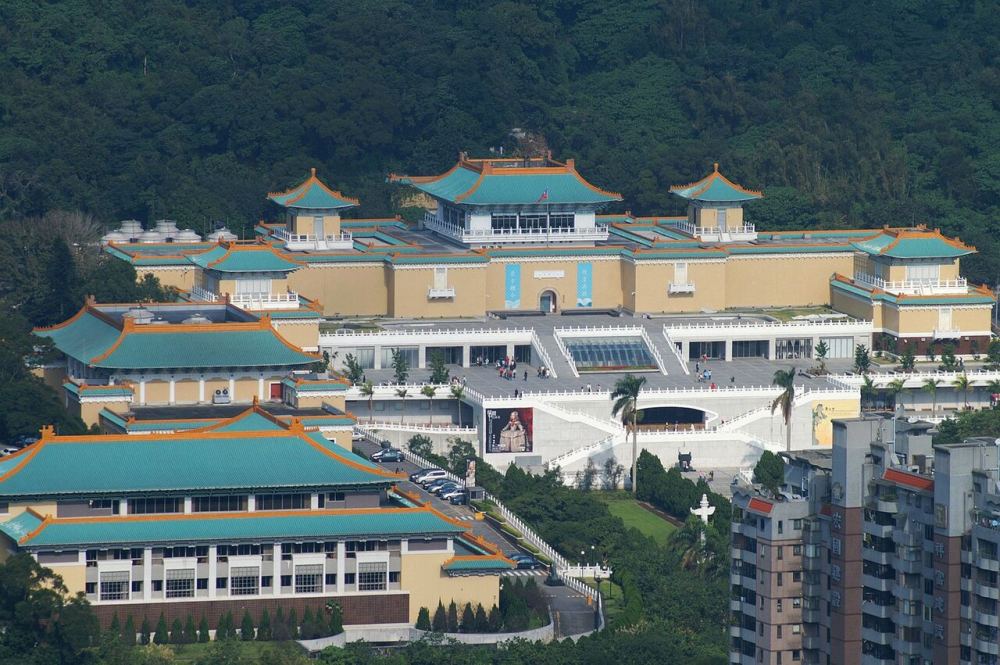
The National Palace Museum holds nearly 700,000 pieces of Chinese art and artifacts spanning roughly 8,000 years, much of it drawn from the former Qing imperial collection, which was moved to Taiwan in 1949. The collection is so vast that only a small rotating fraction — roughly 1% at a time — is on display in the permanent galleries, with pieces rotated periodically to limit light exposure to fragile works.
The Museum's Most Famous Pieces
| Artifact | What It Is | Why It's Famous |
|---|---|---|
| Jadeite Cabbage | A small jade carving shaped like a Chinese cabbage with insects | The museum's single most photographed and requested piece |
| Meat-Shaped Stone | A piece of jasper carved and dyed to resemble braised pork belly | Famous for how convincingly it mimics real food |
| Mao Kung Ting | An ancient bronze ritual vessel with a long inscribed text | One of the most important bronze inscriptions in Chinese history |
Planning Your Visit
Because the Jadeite Cabbage and a handful of other headline pieces draw the heaviest crowds, arriving right at opening or visiting on a weekday afternoon tends to give a noticeably calmer experience. An audio guide (available in multiple languages) is worth renting if you want context beyond the object labels, since the collection's historical depth isn't always obvious from a quick walk-through.
The Jadeite Cabbage is occasionally on loan to other exhibitions or temporarily off display for conservation — check the museum's website before your visit if seeing it specifically is a priority.