Pad Thai in Bangkok: Where to Eat It and How to Order
A practical guide to Bangkok's most famous noodle dish — where to find the best versions, how much to pay, and how to order it like a local.
Pad Thai: Bangkok's Everyday Noodle Dish
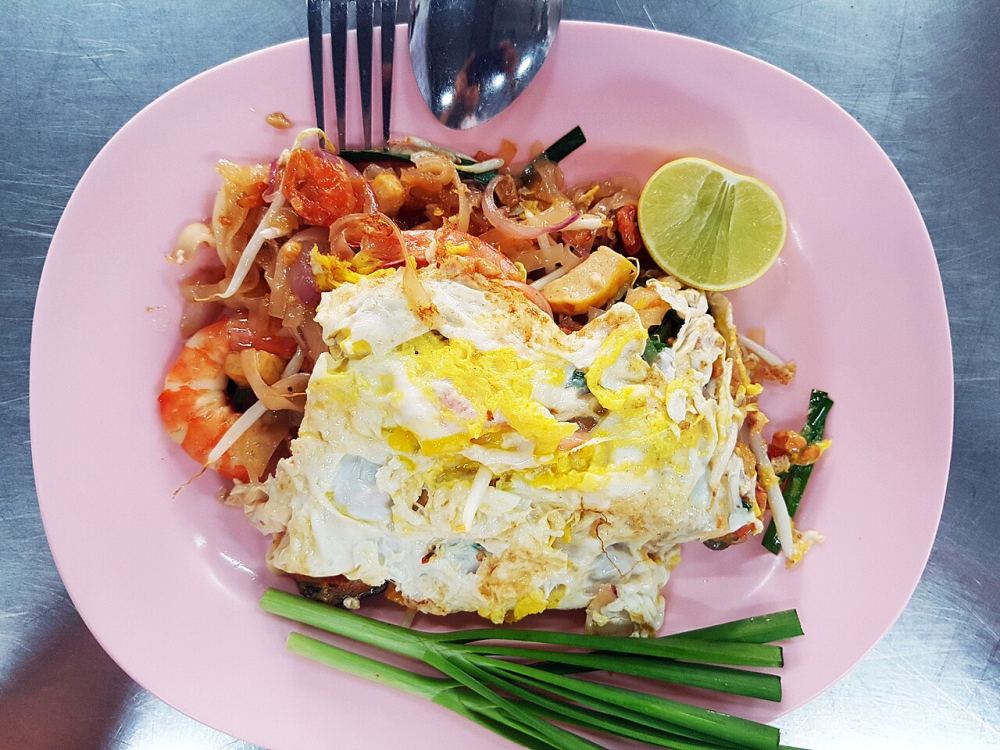
Pad Thai — stir-fried rice noodles with egg, tofu or shrimp, bean sprouts, and a tamarind-based sauce — is probably the single most internationally recognized Thai dish, but it's worth knowing that in Bangkok itself it's treated as a fast, everyday street food rather than a special-occasion meal. You'll find carts and small stalls making it fresh in a wok in front of you almost everywhere in the city, usually for well under a dollar a plate.
The dish has an interesting history too — it was actively promoted as a national dish by the Thai government in the 1930s and 40s as part of a campaign to reduce rice consumption and boost noodle use, which is part of why it's so ubiquitous today.
Where to Find Good Pad Thai
| Type | Price Range | Best For |
|---|---|---|
| Street cart / stall | ฿40–฿60 | Fast, authentic, cooked to order in a wok |
| Thip Samai (famous specialist) | ฿60–฿120 | A dedicated Bangkok institution, often has a queue |
| Sit-down restaurant | ฿80–฿150 | A calmer setting, often a slightly sweeter/milder version |
| Food court (mall) | ฿50–฿80 | Air-conditioned, easy for a quick lunch break |
How to Order It Right
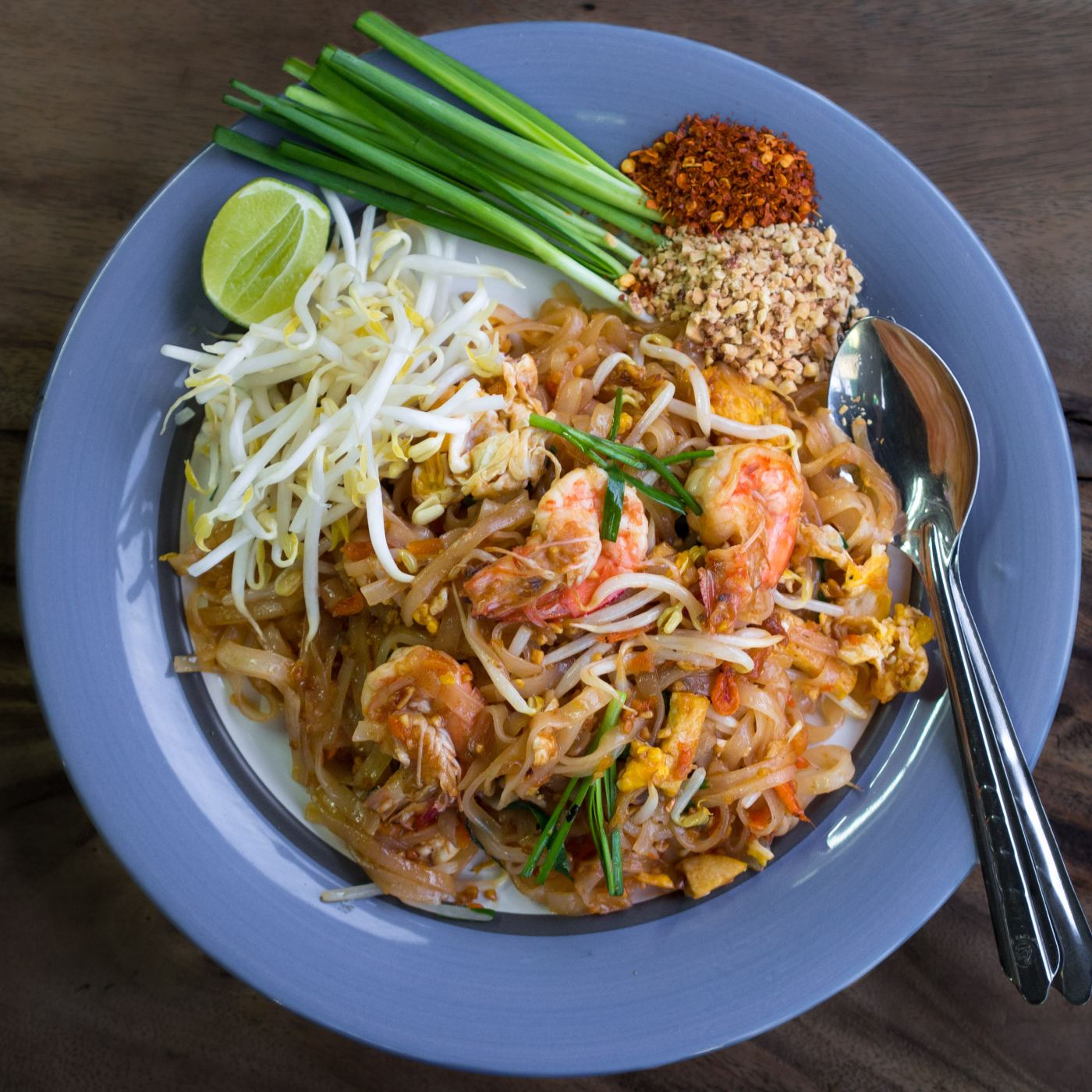
Most stalls offer a few protein options — kung (shrimp), gai (chicken), or moo (pork) — and you can usually ask for it mai phet (not spicy) or phet (spicy) since the chili flakes are typically served on the side rather than mixed in. A wedge of lime, crushed peanuts, and extra chili flakes usually come on the plate or nearby; squeeze the lime over the noodles just before eating for the best balance of sweet, sour, and salty.
A good pad thai should taste balanced — not overwhelmingly sweet. If a stall's version tastes like ketchup, it's a tourist-oriented recipe; the more savory-sour versions tend to be the more traditional ones.