Pastéis de Nata: Lisbon's Famous Custard Tarts
A guide to pastéis de nata, from their history at the Jerónimos Monastery and what makes a good one to how to eat them and where to find the best in Lisbon.

Pastéis de Nata: Portugal's Most Famous Pastry
A pastel de nata is a small tart with a crisp, flaky pastry shell and a creamy egg custard filling, baked until the top is lightly blistered and caramelized. It is the pastry most closely linked with Portugal, and in Lisbon you will find it in every pastry shop, cafe and bakery. A good one is warm, with a crackling shell and a custard that is smooth, not too sweet and just set, and it is traditionally eaten with a dusting of cinnamon and powdered sugar and a strong coffee, known as a bica.
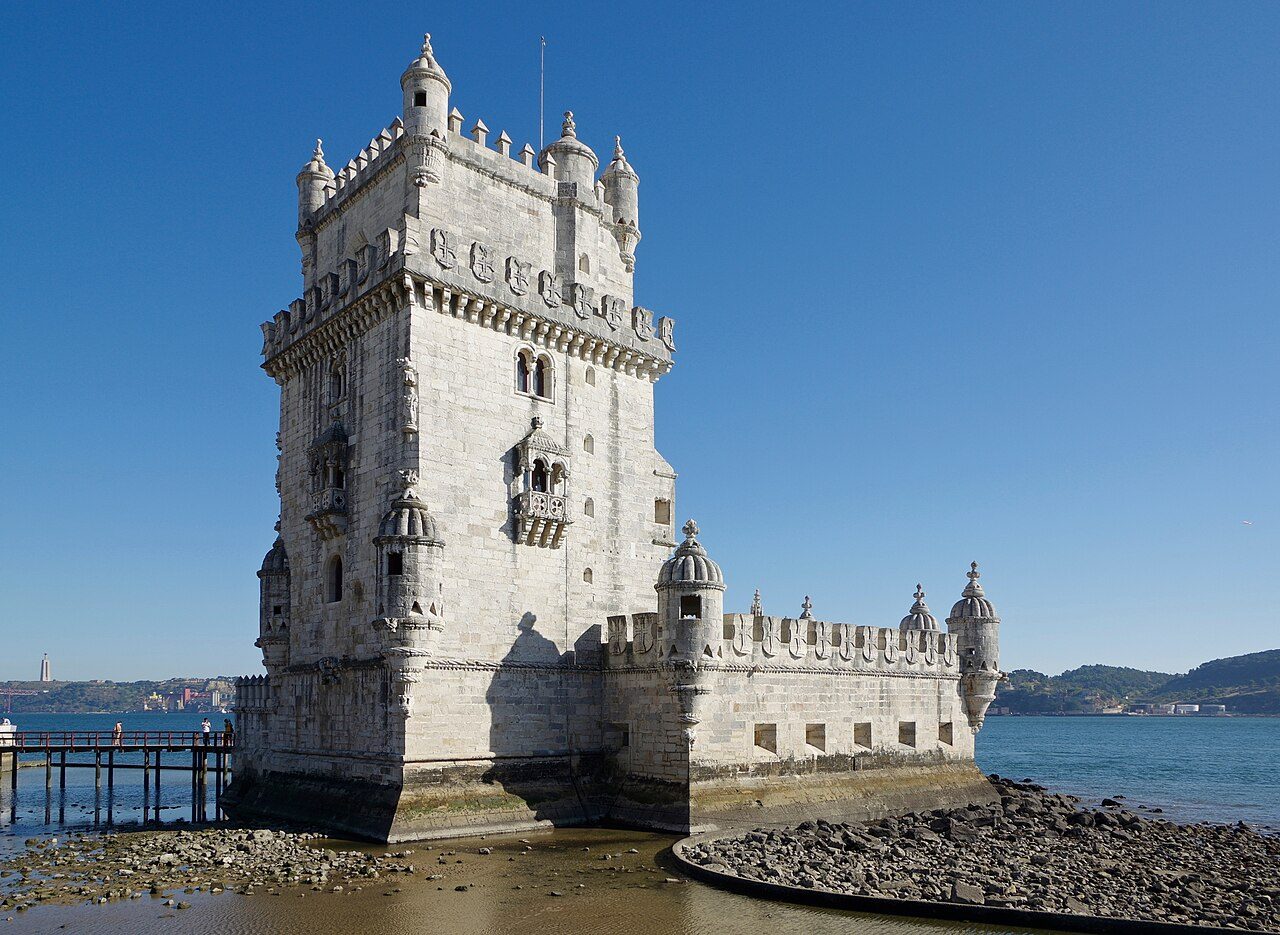
The tart was invented by monks at the Jerónimos Monastery in Belém before the 19th century, using egg yolks left over from starching clothes with egg whites. After the monastery closed in 1834, the recipe was sold to a nearby sugar refinery, and in 1837 the owners opened the Antiga Confeitaria de Belém, which still makes the tarts to a secret recipe. Elsewhere, the tarts are called pastéis de nata, while the Belém originals are known as pastéis de Belém, and the two are similar but not identical, with the Belém version slightly more caramelized.
How to Eat a Pastel de Nata
| Step | What to Do |
|---|---|
| 1 | Eat it warm, ideally within minutes of leaving the oven, when the pastry shell is crisp |
| 2 | Sprinkle with cinnamon and powdered sugar, which are provided at the counter |
| 3 | Take small bites, since the center is hot and the custard is soft |
| 4 | Pair with a bica (espresso) or a galão (milky coffee) |
Where to Try Pastéis de Nata in Lisbon
The most famous place is the Antiga Confeitaria de Belém, with its constant queue, though the cafe seating behind the counter is large and the queue moves quickly. Other well-regarded places include Manteigaria, a modern bakery with branches in the city, where you can watch the tarts being baked, and the historic Confeitaria Nacional in Baixa, which has been serving pastries since 1829. Many neighborhood cafes make their own tarts, and the best are often those with a steady stream of locals. A tart typically costs about €1.20 to €1.50.
Order two, because one is never enough. Avoid tarts that sit under a heat lamp or look pale, and follow the locals to the bakery with the busiest oven.