
Why Visit Lisbon?
Lisbon is one of the most charming and affordable capitals in Western Europe. Built across seven hills above the wide Tagus River, it is a city of pastel-colored buildings, patterned tile facades, steep cobbled lanes and sweeping viewpoints, known as miradouros, where locals gather at sunset. It is one of the oldest cities in Europe, older than Rome by some accounts, and it was the starting point of Portugal's Age of Discovery, when explorers such as Vasco da Gama sailed from its shores. That history is visible in the monumental Manueline architecture of Belém and in the maze of Alfama, the old Moorish quarter that survived the great earthquake of 1755.
The city is easy to love. The food is inventive but unpretentious, from custard tarts and grilled sardines to salted cod cooked in a hundred ways, and the wine is some of the best-value in Europe. The nightlife is lively and informal, with fado music in small taverns in Alfama and street-side bars in Bairro Alto. Day trips are outstanding, with the fairy-tale palaces of Sintra, the beaches of Cascais and the Atlantic coast all within an hour. Prices remain lower than in Spain, France or Italy, which makes Lisbon one of the best-value city breaks on the continent.
Getting Around Lisbon
Lisbon's hills mean that walking is rewarding but tiring, and public transport helps a great deal. The Metro is simple and covers the main areas, while the iconic yellow trams, particularly Tram 28, climb the old districts, and funiculars and elevators, such as the Santa Justa Lift and the Elevador da Glória, link the lower town with the upper neighborhoods. A rechargeable Viva Viagem card works on the Metro, buses, trams and local trains, and a 24-hour pass is good value if you use transport heavily. Trains from Cais do Sodré run along the river to Belém and Cascais, and trains from Rossio run to Sintra.
Wear comfortable shoes with good grip. Lisbon's cobblestones and white limestone pavements are beautiful but slippery when wet, and the hills are steep. Taking a tram or a taxi uphill and walking down is a good strategy.
Top Attractions
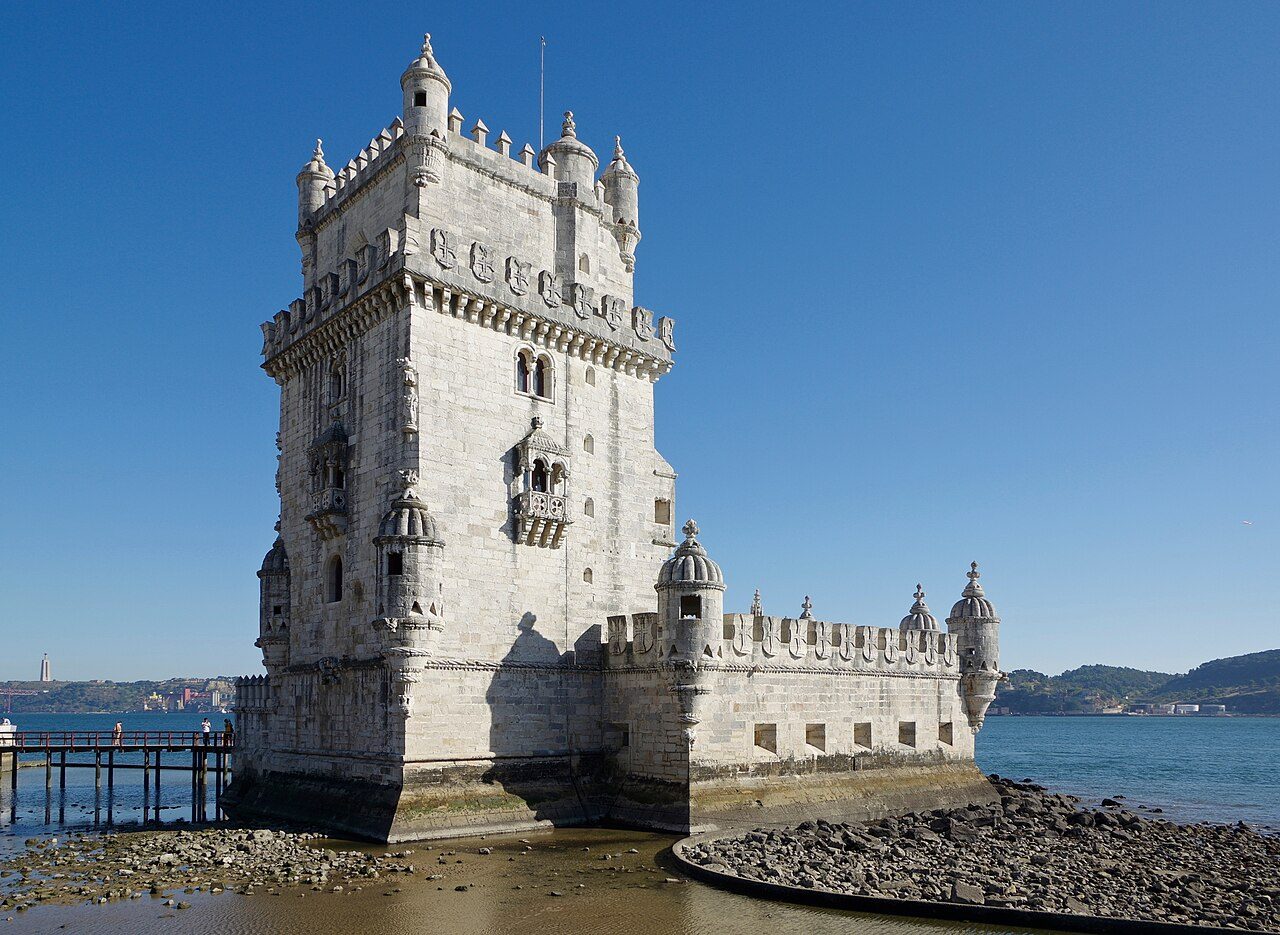
Belém Tower and Jerónimos Monastery
Two UNESCO-listed Manueline landmarks on the Tagus, symbols of Portugal's Age of Discovery.

São Jorge Castle
A Moorish hilltop castle above Alfama with ramparts, peacocks and some of the best views in the city.

Sintra Day Trip
A fairy-tale hill town with colorful palaces, mysterious gardens and forest paths, an easy train ride from Lisbon.
Where to Stay in Lisbon
| Area | Best For | Avg. Price/Night |
|---|---|---|
| Baixa / Chiado | Central location, shopping, transport, first-time visitors | $110–$300 |
| Alfama | Old-town atmosphere, fado, viewpoints, quieter nights | $90–$250 |
| Bairro Alto / Príncipe Real | Nightlife, boutiques, stylish restaurants and gardens | $100–$280 |
| Avenida da Liberdade | Luxury hotels, wide boulevards and good Metro access | $130–$350 |
| Alcântara / Belém | Riverside stays, LX Factory and the main monuments | $80–$220 |
What to Eat in Lisbon

Pastéis de Nata
Flaky custard tarts, served warm with cinnamon and powdered sugar, Lisbon's most famous pastry.

Bacalhau
Salted cod, Portugal's national obsession, cooked in hundreds of ways, from shredded with eggs to baked with cream.

Bifana
A garlicky, wine-marinated pork sandwich in a crusty roll, the classic cheap Lisbon snack.
Look for the prato do dia, the dish of the day, written on a blackboard outside neighborhood tascas. It usually includes a main course, soup or salad and a drink for under €12, and it is almost always better value than the tourist menus on the main squares.
Travel Budget
| Travel Style | Daily Budget | What's Included |
|---|---|---|
| Backpacker | $60–$85 | Hostel dorm, prato do dia lunches, bakery snacks, transport pass and a couple of paid sights |
| Mid-Range | $140–$240 | 3 to 4-star hotel, restaurant meals, tram and train rides, entry to monuments and a day trip |
| Luxury | $380+ | 5-star hotel, fine dining, private tours and wine tastings |
Buy a Lisboa Card only if you plan to visit several monuments, since individual tickets to places like Belém Tower and the Jerónimos Monastery are cheap. Many of the city's best experiences, such as the miradouros, are free.