Sarde in Saor: The History Behind Venice's Sweet-and-Sour Sardines
Why sarde in saor was originally invented, what goes into the marinade, and why the flavors are so distinctly Venetian.
Sarde in Saor: A Dish Born From Necessity
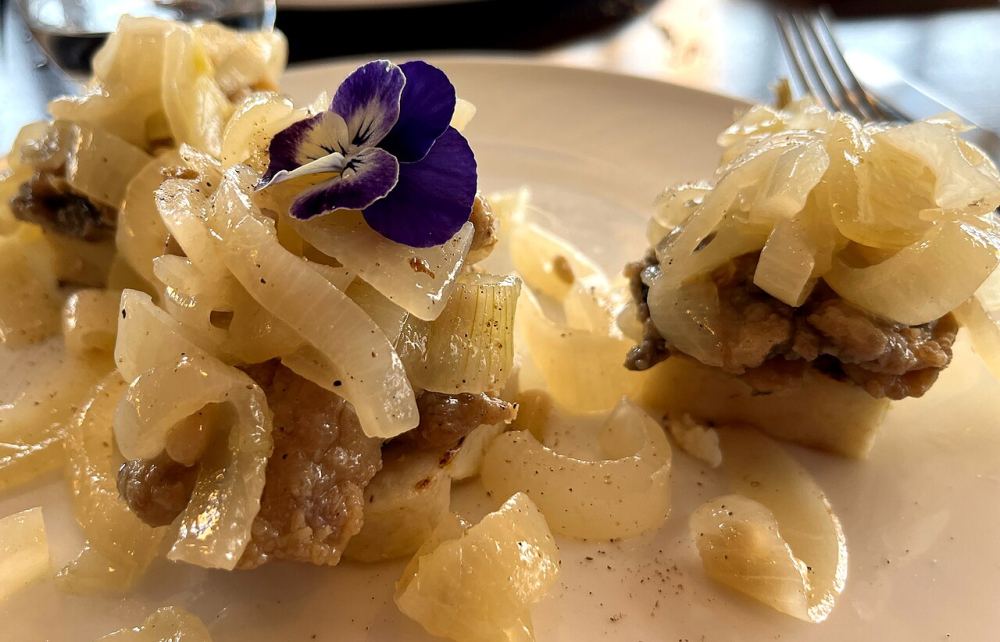
Sarde in saor — fried sardines marinated in a sweet-and-sour mixture of onions, vinegar, pine nuts, and raisins — was originally developed by Venetian sailors as a way to preserve fish for long sea voyages, since the vinegar-based marinade extended the fish's shelf life significantly before refrigeration existed. What began as practical preservation has become one of Venice's most distinctly loved traditional dishes.
What's in the Marinade
| Ingredient | Role |
|---|---|
| Sardines | Lightly floured and fried before marinating |
| Onions | Slowly cooked until soft and sweet, forming the base of the marinade |
| Vinegar | The preserving agent, giving the dish its sour edge |
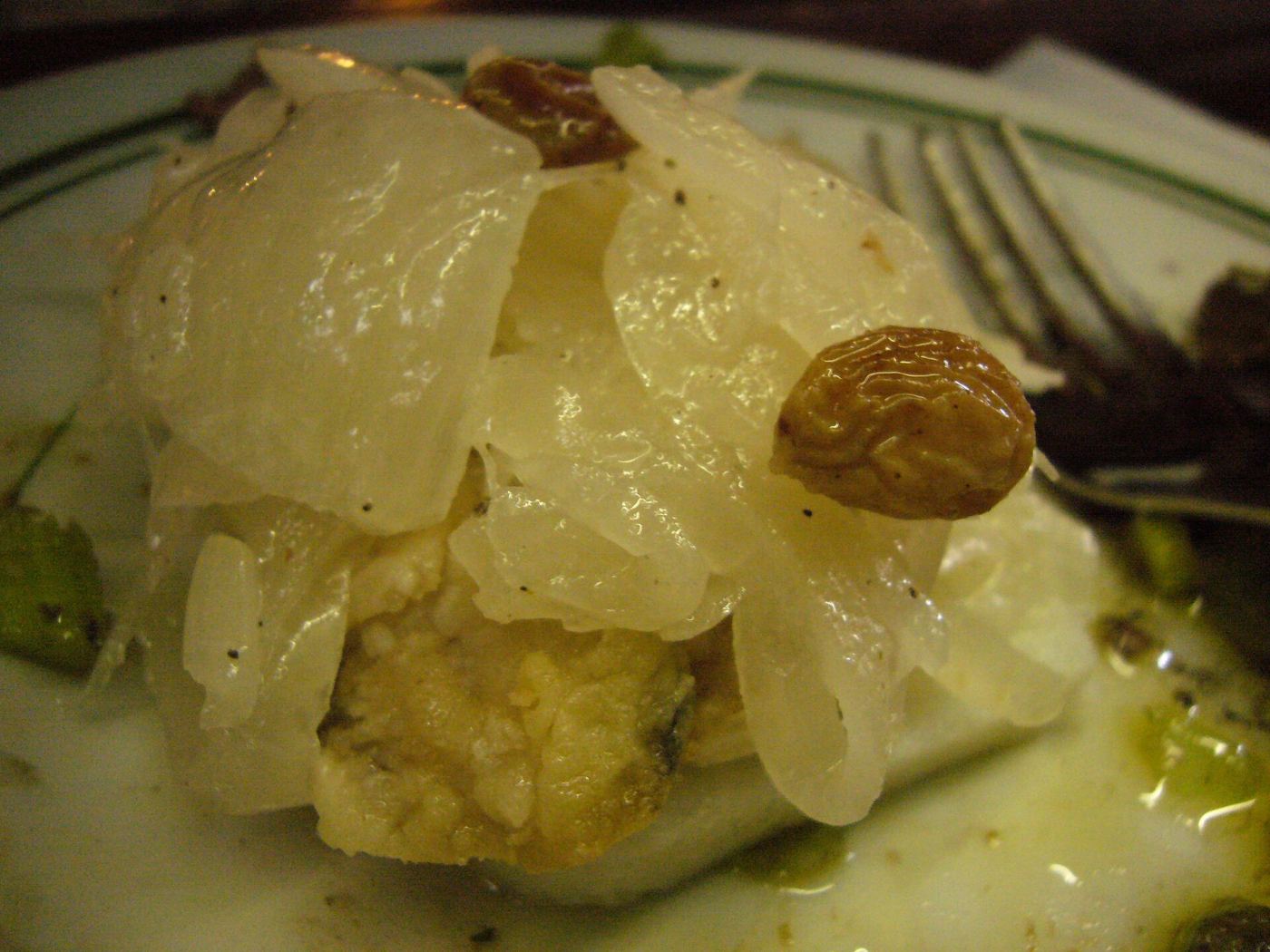
| Pine nuts and raisins | Added sweetness and texture, reflecting Venice's historic spice trade connections |
Why It Tastes the Way It Does
The pine nuts and raisins are a legacy of Venice's centuries as a major trading hub connecting Europe with the spice routes of Asia and the Middle East — sweet-and-sour flavor combinations, unusual in most Italian cooking, are more common in Venetian cuisine specifically because of this trading history. It's a genuine link between the dish on your plate and the city's commercial past.
Sarde in saor is always served cold or at room temperature, never hot — the marinating process is essential to the dish, so don't expect a freshly fried, warm version.