Stanley Market: Hong Kong's Seaside Market Town, Explained
A fishing village turned market town, with a colonial waterfront building rebuilt stone-by-stone — Hong Kong Island's most relaxed day trip.

Stanley sits on Hong Kong Island's southern coast, tucked into a bay that has sheltered boats and villages here for centuries before any of the modern city existed nearby, a genuinely different pace of life from the vertical density of Central or Causeway Bay — a genuinely different pace of life from the vertical density of Central or Causeway Bay — a market town with a proper seaside promenade, yachts bobbing in the bay, and a colonial-era waterfront building that has been carefully preserved rather than demolished. It's one of the easiest half-day trips from central Hong Kong, combining a covered market with an actual beach-town atmosphere that feels considerably further from the skyscrapers than the 30-40 minute bus ride actually is.
Long before it became a market town, Stanley was a modest fishing village inhabited by the Tanka people, a community whose entire way of life centered on the water rather than the land. When the British took formal control of Hong Kong Island in 1841, they recognized Stanley's strategic coastal position and established both a military outpost and a police station here, marking the start of its role in colonial Hong Kong's defense infrastructure — a role that continued, with considerable historical weight, through Stanley's occupation during the Japanese invasion of Hong Kong in World War II, when the area saw significant fighting and later housed an internment camp.
The market itself is a dense, covered warren of narrow lanes selling everything from clothing and linens to pottery, silk, Chinese calligraphy, antiques, and a healthy dose of tourist-facing souvenirs. It's open daily, typically from 10am to 6pm, with free entry, and while it doesn't have quite the bargaining intensity of Mong Kok's Ladies Market, prices are still soft enough that asking for a small discount rarely hurts. What sets Stanley apart from Hong Kong's other markets is what surrounds it: step outside the covered lanes and you're immediately on a genuine waterfront promenade, with yacht clubs, seaside restaurants, and open-water views that no other major Hong Kong market can offer.
| Time | Atmosphere | Best For |
|---|---|---|
| Morning | Quiet, market stalls opening | A relaxed browse before crowds arrive |
| Midday-afternoon | Busiest window, especially weekends | Full market atmosphere, waterfront lunch |
| Early evening | Market winding down, waterfront bars and restaurants picking up | Sunset views and a seaside dinner |
| Weekends | Considerably busier than weekdays, a popular local day-trip spot | Atmosphere, though expect crowds on the bus and in the market |
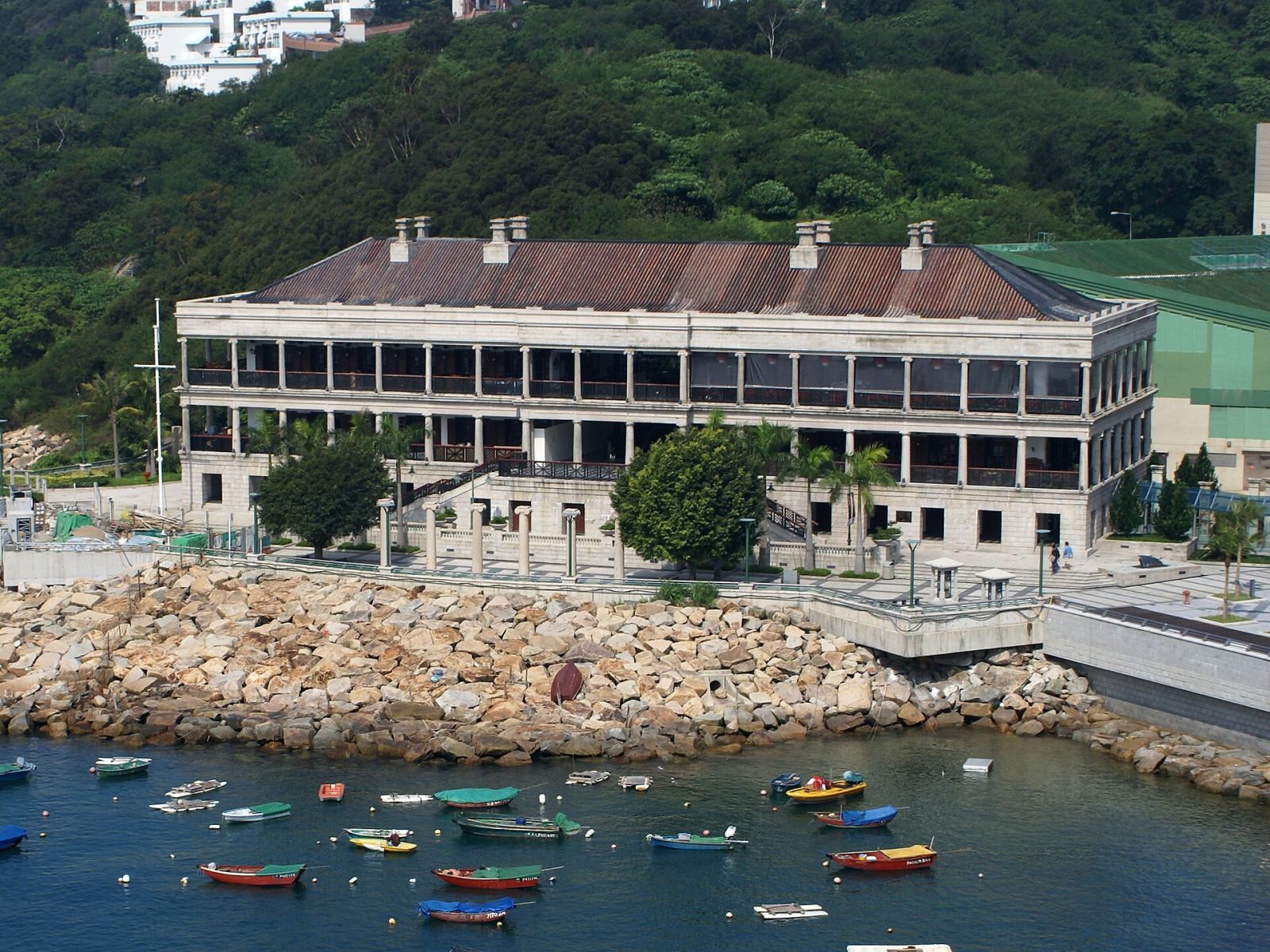
The colonial-era Murray House building on Stanley's waterfront looks like it has always stood there, but it was actually relocated from its original site in Central and rebuilt stone-by-stone at Stanley in the early 2000s, after being dismantled to make way for other development — a detail worth knowing since it changes how you read the "history" the building represents.
Stanley's wartime history is worth knowing before a visit, even though little of it is signposted for casual tourists. During the Japanese occupation of Hong Kong (1941-1945), Stanley was the site of significant fighting and later held an internment camp for foreign civilians, a chapter of the area's history that stands in stark contrast to the relaxed, holiday-town atmosphere the market and waterfront project today. It's a useful reminder that Stanley's calm has been hard-won across a genuinely turbulent 20th century, not simply an accident of geography.
Beyond the market and Murray House, the Tin Hau Temple near the waterfront was founded in 1767, predating almost everything else visible in modern Stanley by well over two centuries, and offers a quieter, more contemplative stop between market browsing and waterfront dining. The Stanley Fishermen's Recreation Club, a low-key local institution, is another sign that this remains a genuine community rather than a purely tourist-facing town, even as the market and promenade draw a steady stream of day-trippers.
Stanley makes a natural half-day escape from central Hong Kong's density, best paired with a relaxed lunch or dinner on the waterfront. For balancing a day trip like this against the rest of a Hong Kong itinerary, see Hong Kong's Best Ticketed Attractions and Hong Kong on $50 a Day, both of which can help you decide how much time Stanley deserves relative to the city's other sights.
Stanley has no MTR station of its own, sitting on the far southern coast away from the rail network — the standard approach is bus 6, 6A, 6X, 66, or 260 from Central (Exchange Square bus terminus), a scenic 30-40 minute ride over Hong Kong Island's hills that's worth the trip on its own for the views. Taxis are also a straightforward option from anywhere on the island, typically running 20-30 minutes depending on traffic and starting point.
Frequently Asked Questions
Stanley's relative isolation from the MTR network has, if anything, worked in its favor as a day-trip destination — it hasn't seen the same pace of redevelopment as more transit-accessible parts of Hong Kong Island, which is part of why its low-rise, market-town character has held up as well as it has, even as skyscrapers have continued rising elsewhere on the island within sight of Stanley's own coastline.
St. Stephen's Beach, a short walk from the main market and waterfront, gives Stanley a genuine swimming option that most of Hong Kong Island's other market areas simply don't have — a small, sheltered bay with calm water that locals use for a proper beach day rather than just a scenic backdrop. Combined with the market, the waterfront promenade, and the historic sites nearby, it rounds out Stanley as a rare Hong Kong destination where a full day trip doesn't have to feel rushed.