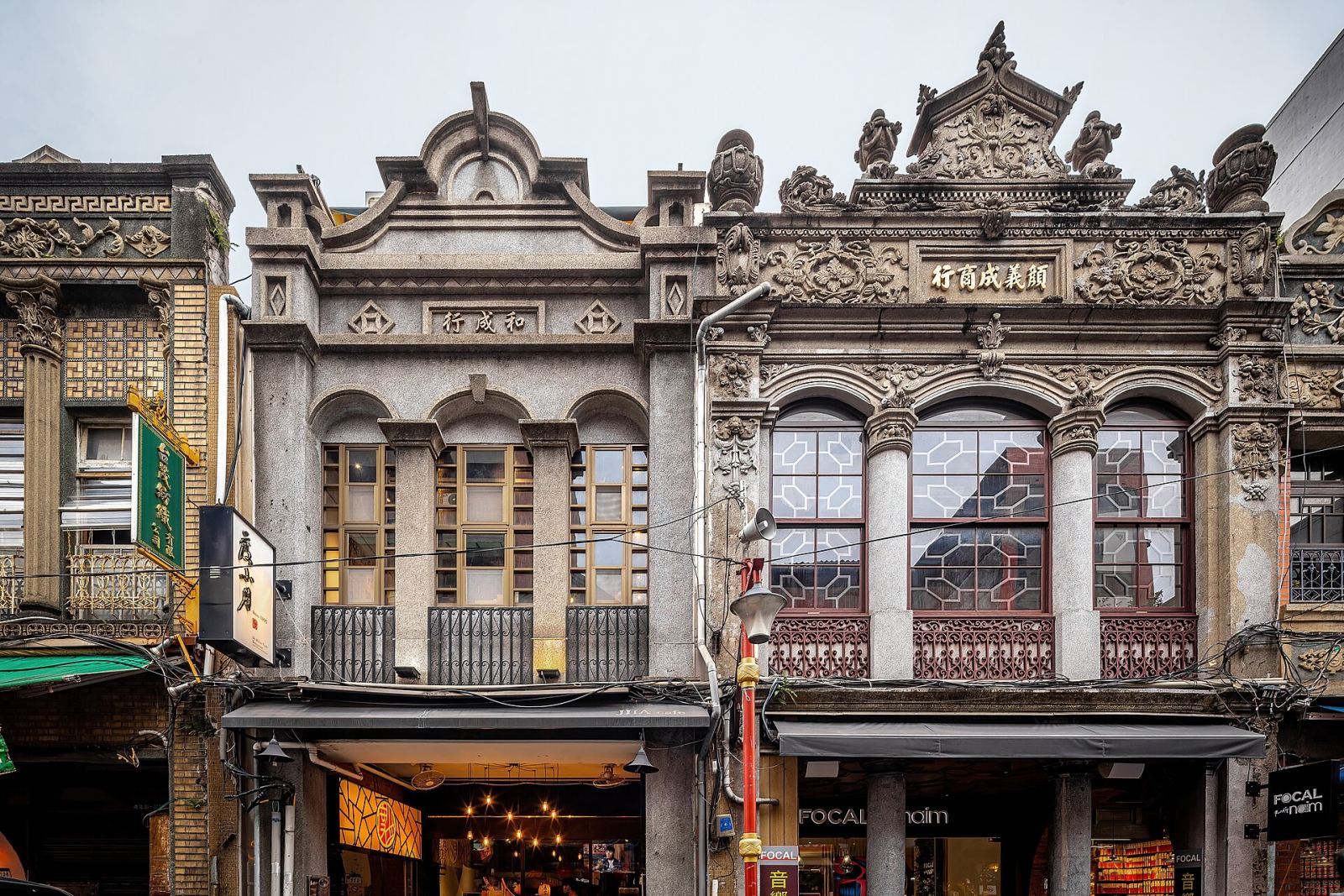
Yongkang Street: Taipei's Beloved Foodie Alley
Eat your way down Yongkang Street, the compact Da'an district lane famous as the birthplace of Din Tai Fung and one of Taipei's densest concentrations of great food.
Yongkang Street: Taipei's Beloved Foodie Alley
Yongkang Street (永康街) is a modest, tree-lined lane in Taipei's Da'an district that punches wildly above its weight in culinary reputation. Barely a few hundred meters long including its web of side alleys, Yongkang Street and its immediate surroundings pack in an extraordinary density of beloved restaurants, teahouses, dessert shops, and street food stalls, enough that food-focused visitors regularly plan an entire day around eating their way from one end to the other. It is, without much competition, the single most famous food street in Taipei, and its reputation extends well beyond Taiwan thanks to one restaurant in particular.
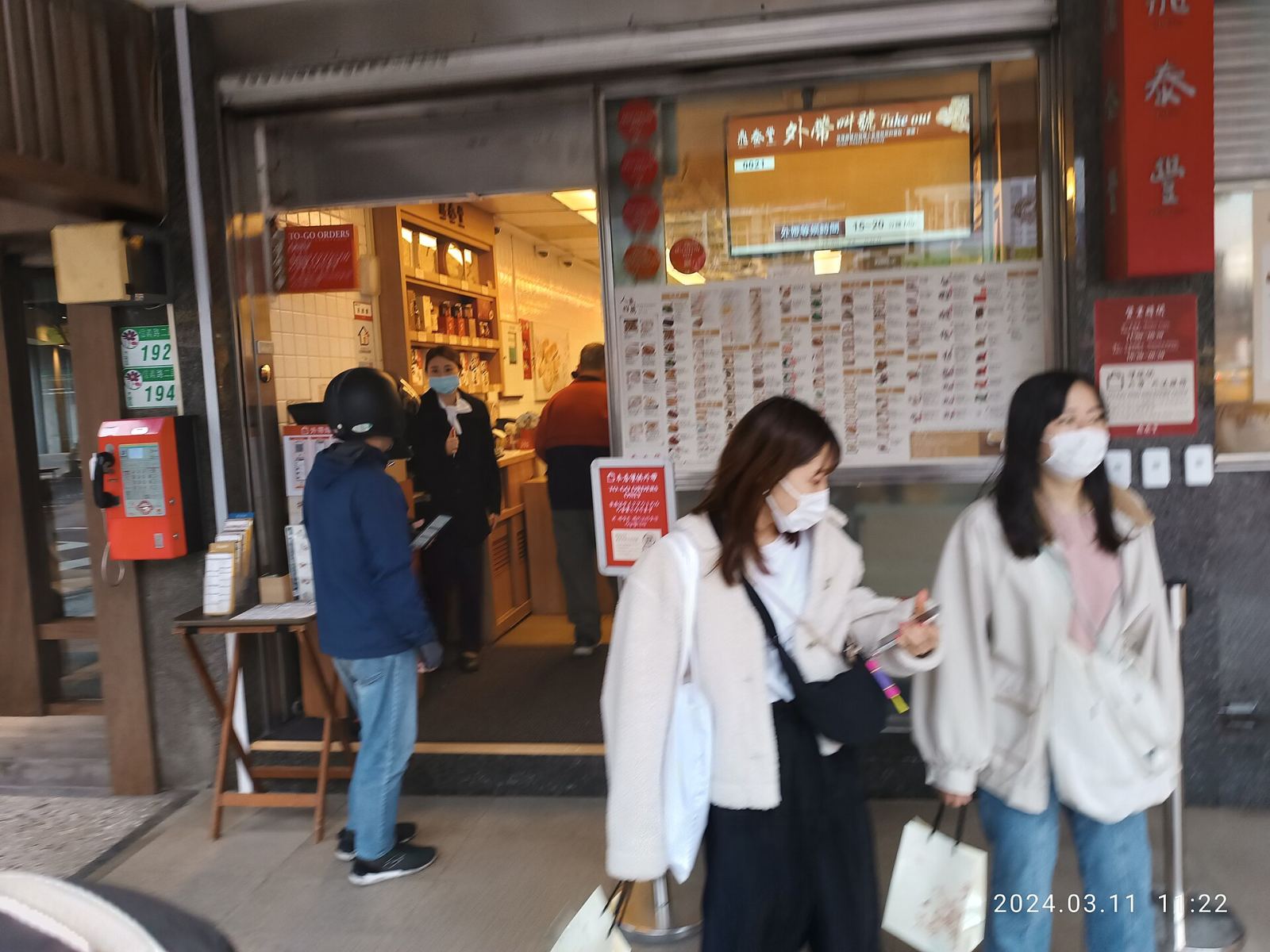
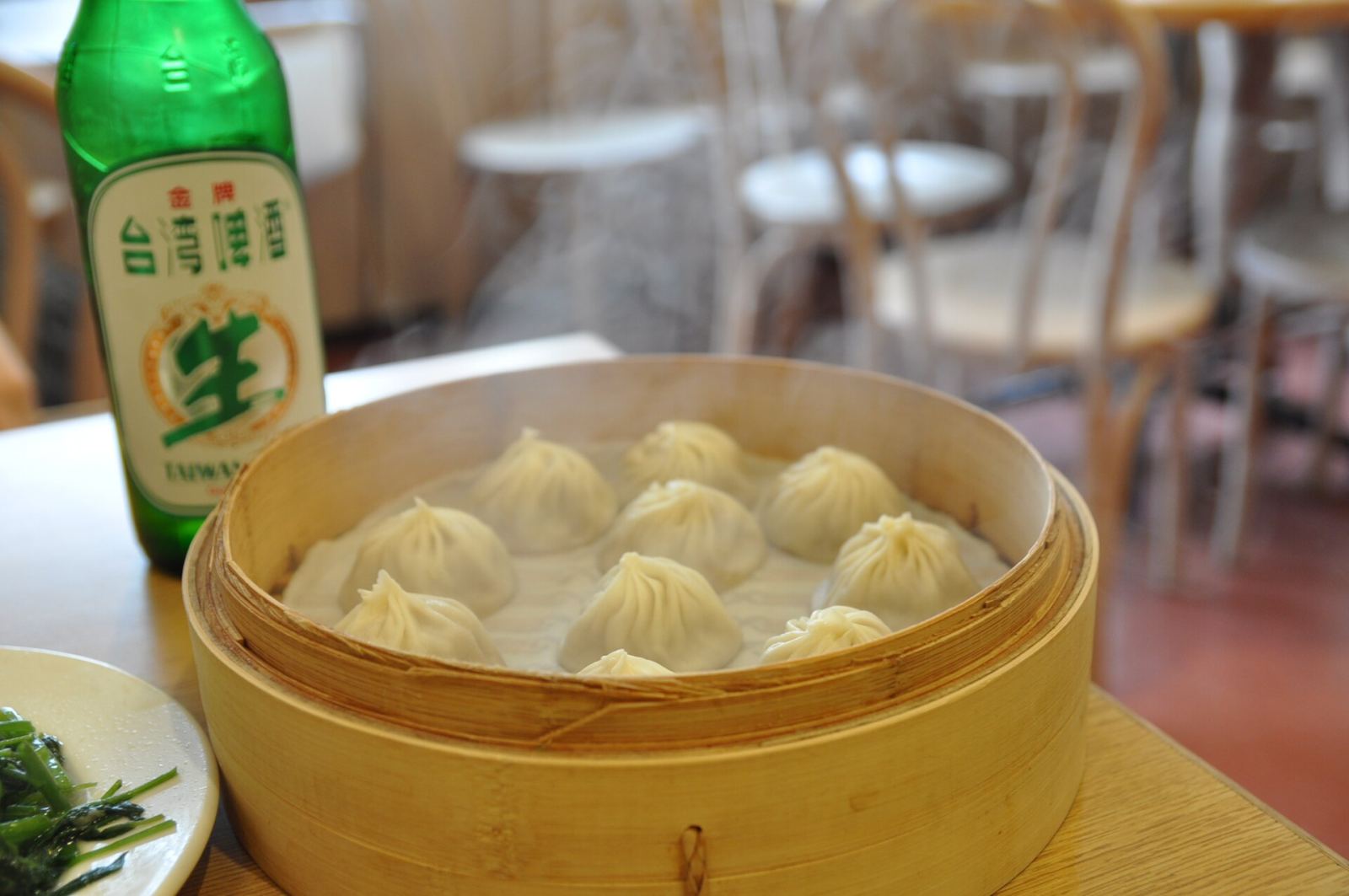
That restaurant is Din Tai Fung, whose original flagship location opened on Xinyi Road just off Yongkang Street in 1958, initially as a cooking oil retailer before pivoting to soup dumplings, or xiaolongbao, in the 1970s. What began as a small neighborhood eatery grew into a global institution with locations across Asia, North America, and beyond, but the original branch here in Da'an remains the pilgrimage site for dumpling enthusiasts, and lines outside frequently stretch well over an hour during peak meal times. The restaurant's rise is widely credited with putting the entire Yongkang Street area on the international food tourism map.
But limiting a Yongkang Street visit to just Din Tai Fung would mean missing most of what makes the area special. Within a five-minute walk you'll find Yongkang Beef Noodle, one of the contenders for Taipei's best bowl of braised beef noodle soup, a dish considered close to Taiwan's unofficial national comfort food. Nearby, Smoothie House has served shaved ice and fresh fruit smoothies for decades, drawing crowds especially in Taipei's hot, humid summers. Scattered among these anchors are dozens of smaller operations: scallion pancake stalls, bubble tea shops, dumpling houses, and traditional Taiwanese breakfast spots, each with their own small but devoted local following built up over years of consistent quality rather than any marketing push.
| Craving | What to Try | Approx. Wait |
|---|---|---|
| Soup dumplings | Xiaolongbao at Din Tai Fung | 30-90+ minutes at peak times |
| Noodles | Braised beef noodle soup at Yongkang Beef Noodle | 10-20 minutes |
| Dessert | Mango or fruit shaved ice at Smoothie House | Minimal, seasonal queues in summer |
Arrive right at opening time, or aim for a late lunch around 2:30pm or an early dinner around 5pm, well outside standard meal rushes. The takeout counter also moves faster than dine-in seating if you just want a quick taste.
Beyond its restaurants, Yongkang Street has a quieter, more residential character than tourist-heavy districts like Ximending, with narrow side lanes lined by low-rise apartment buildings, small parks, and independent boutiques selling ceramics, stationery, and home goods. Yongkang Park, a small green space at the street's heart, offers a welcome pause between meals, with shaded benches where locals read or chat while children play nearby, and it is common to see visitors sitting there simply digesting between one stop and the next. This quieter texture makes Yongkang Street feel less like a tourist attraction and more like an actual, functioning neighborhood that happens to have exceptional food, which is part of its enduring charm and a large part of why so many visitors return on every subsequent trip to Taipei rather than seeking out something new.
Teahouses are another Yongkang Street specialty worth budgeting time for. Several traditional tea shops along and near the street offer proper Taiwanese tea ceremony experiences, using high-mountain oolongs grown in the mountains of central Taiwan, served in small clay pots with multiple infusions poured over tiny cups. These sit-down tea sessions are a deliberately slow counterpoint to the quick bites elsewhere in the neighborhood, and many visitors use one as a relaxed way to close out an afternoon of eating, letting the tea's warmth and ritual settle a very full stomach before heading back out into the city, and often extending what was meant to be a quick food stop into a lingering, unhurried afternoon.
The side alleys branching off the main street hold some of the neighborhood's best-kept secrets, including small family-run dumpling houses that have operated for decades without much signage, relying entirely on word of mouth and loyal regulars to stay full. A handful of specialty shops sell nothing but scallion pancakes or braised pork rice, perfecting a single dish rather than offering a broad menu, a common pattern in Taiwanese food culture that rewards restaurants willing to specialize deeply. Wandering even one block off the main thoroughfare, menu in hand or not, often turns up a find that never appears on any list of Yongkang Street's official highlights, which is exactly the kind of discovery that keeps food lovers coming back again and again, sometimes years after their first visit.
Yongkang Street sits an easy walk from Dongmen MRT Station on the Orange and Green Lines, roughly five minutes from Exit 5. Because the area is small and entirely walkable, there's no need for additional transit once you arrive; simply plan to wander between the main street and its surrounding alleys as hunger and curiosity dictate. Weekday lunchtimes and weekend afternoons see the heaviest crowds, so early risers and late-afternoon diners will generally have an easier, less crowded experience overall.