Dorsoduro and the Zattere: Venice's Sunlit Waterfront District
Wander Dorsoduro and its wide Zattere promenade, Venice's artistic, sun-facing district of galleries, university life, and the domed Santa Maria della Salute.

Dorsoduro and the Zattere: Venice's Sunlit Waterfront District
Dorsoduro, whose name literally translates to 'hard spine,' is thought to reference an elevated, more compact sandbank that made this district's terrain notably firmer and less marshy than much of the rest of the lagoon, a quality that made it attractive to early settlers as far back as the sixth century. It is one of the oldest inhabited parts of Venice, and today it carries a distinctly different personality from the tightly packed commercial streets around Rialto or San Marco: quieter, more residential, home to Venice's main university campus, and dense with the art museums and galleries that have earned it a reputation as the city's cultural and bohemian heart.
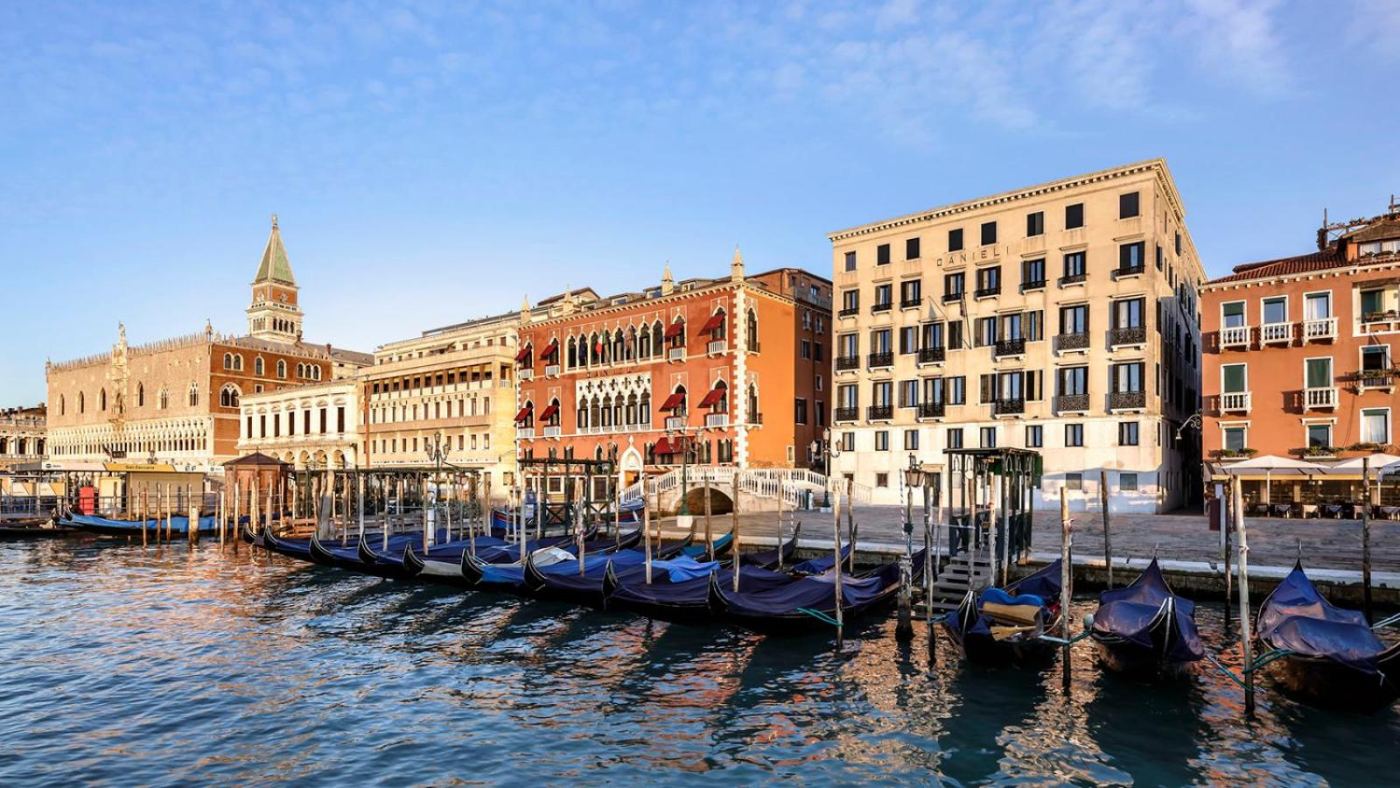
The Zattere, a long, wide fondamenta running along the district's southern edge facing the Giudecca Canal, takes its name from the rafts, or zattere, of timber that once arrived here after being floated down rivers from the Dolomite foothills, before being distributed throughout the city for construction. Because the Zattere faces south and catches the sun for most of the day, it became, and remains, one of the most pleasant places in Venice simply to walk, sit, and watch the water traffic drift by, a tradition of unhurried strolling that Venetians themselves have kept up for centuries. Before the first bridge to the mainland was built in the 1840s, Dorsoduro also served as many travelers' very first glimpse of Venice, arriving by boat directly onto this waterfront.
Dorsoduro's cultural weight comes from an unusually dense cluster of major art institutions packed into a relatively small area. The Gallerie dell'Accademia houses the single most important collection of Venetian painting anywhere in the world, spanning from Byzantine-influenced early works through the golden age of Titian, Tintoretto, and Veronese. A short walk away, the Peggy Guggenheim Collection, housed in the unfinished eighteenth-century Palazzo Venier dei Leoni right on the Grand Canal, offers one of Europe's finest collections of twentieth-century modern art, reflecting the personal taste of the American heiress who lived in the building until her death in 1979 and specifically chose Dorsoduro over the more fashionable districts across the water, a decision that shaped the neighborhood's identity as an art destination for decades afterward.
| Landmark | Type | Highlight |
|---|---|---|
| Gallerie dell'Accademia | Museum | Definitive collection of Venetian painting |
| Peggy Guggenheim Collection | Museum | Modern art in a Grand Canal palazzo |
| Santa Maria della Salute | Church | Baroque domed basilica at the canal mouth |
Late afternoon into early evening, when the sun is low over the Giudecca Canal, is widely considered the best time to walk the Zattere, especially paired with a stop at one of the gelaterias along the waterfront that have served this exact stretch for generations.
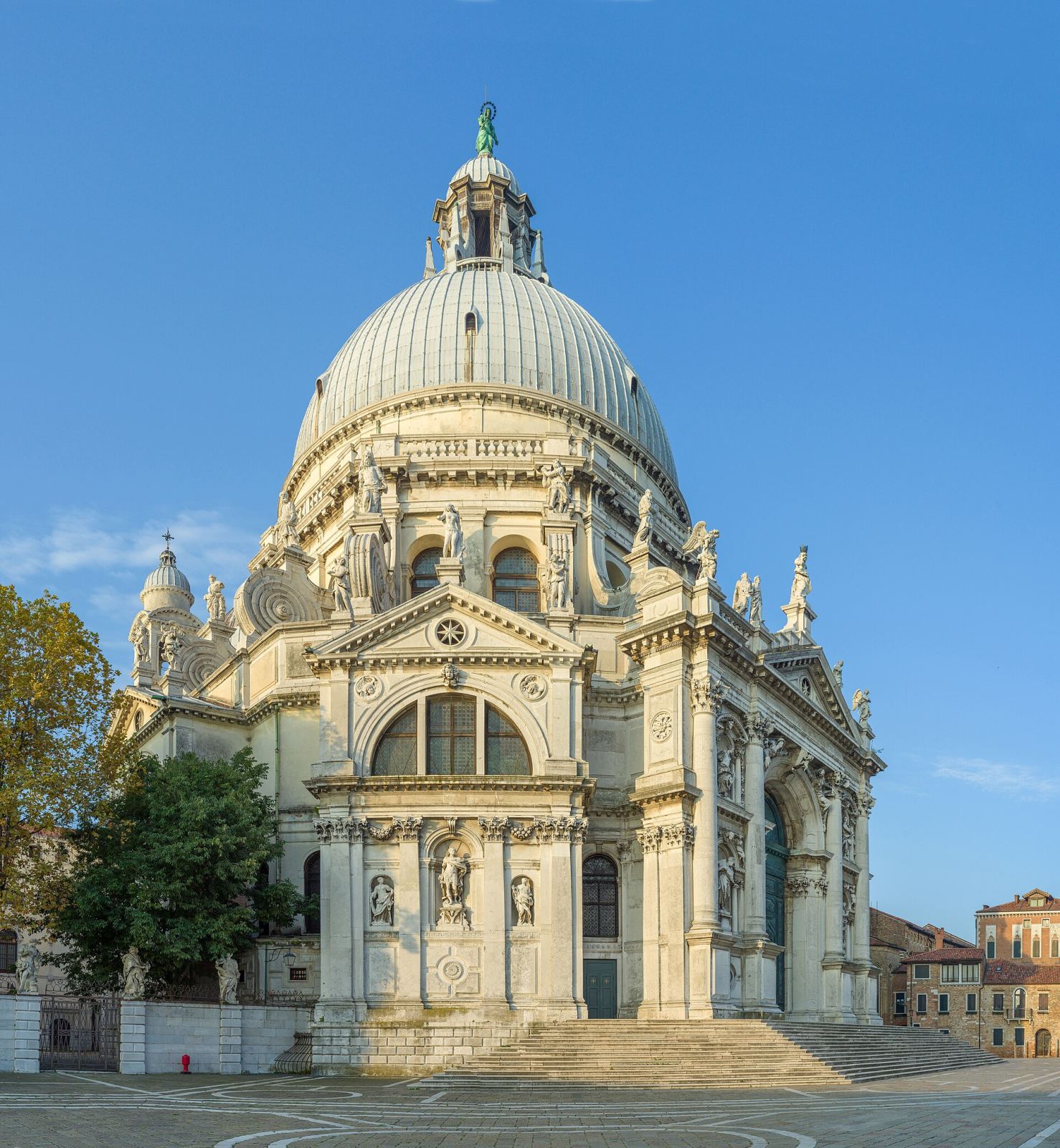
The Basilica of Santa Maria della Salute anchors the district's eastern tip, its enormous white dome visible from across much of the city and instantly recognizable in countless paintings of the Venetian skyline. Built between 1631 and 1687 as a votive offering after a devastating plague epidemic, the church was designed by architect Baldassare Longhena and remains the site of an annual festival each November 21st, when Venetians cross a temporary pontoon bridge over the Grand Canal to give thanks, a tradition unbroken since the building's completion. The interior, less visited than the exterior's dramatic silhouette suggests, holds works by Titian and Tintoretto worth the modest detour inside.
Because of the university presence, Dorsoduro also has a livelier, younger nightlife scene than much of Venice, centered particularly around Campo Santa Margherita, a large, informal square a few streets back from the Zattere that fills each evening with students and locals drinking at inexpensive bars, a refreshing contrast to the more expensive, tourist-oriented spots elsewhere in the city. During the day, the same square hosts a small produce market, making it a good stop for picking up picnic supplies to enjoy later on a sunny bench along the Zattere itself.
Beyond the major museums, Dorsoduro rewards a slower pace through its smaller squares and quiet campi, many of which have their own neighborhood church worth a quick look inside. The Squero di San Trovaso, one of the last surviving traditional gondola workshops in Venice, sits along a small canal in the district and can be viewed from the opposite bank, its wooden sheds looking almost unchanged from centuries-old depictions of the same scene. Catching gondola builders at work here, still using techniques passed down through generations, offers a rare glimpse into a craft that keeps the entire city's iconic boats running, and one that most visitors to Venice never think to seek out despite walking right past it.
Dorsoduro is reached easily on foot via the wooden Accademia Bridge from San Marco, or by vaporetto lines 1 and 2, which stop at Accademia, Zattere, and Salute along the district's edge. Because the neighborhood is relatively compact and flat, it's entirely walkable in an afternoon, and the absence of major canal traffic along the Zattere itself, compared to the Grand Canal, makes it one of the more relaxed places in Venice to simply sit outside a cafe and watch the city go by.