
Why Visit Marrakech?
Marrakech is one of the most sensory cities on Earth. Founded in the 11th century by the Almoravids, it became the capital of a series of Moroccan dynasties, and the walls, palaces and mosques they built still define the old city, the medina, a UNESCO World Heritage Site. The pink-red color of the walls and buildings gives the city its nickname, the Red City, and it glows in the late afternoon light. At the center of it all is Jemaa el-Fnaa, a vast open square that becomes a theatre of snake charmers, musicians, storytellers and hundreds of food stalls as the sun sets, unlike anywhere else in the world.
Behind the walls, the medina is a labyrinth of covered souks selling spices, leather, lanterns, rugs and metalwork, and quiet courtyard houses called riads, where fountains and orange trees offer peace from the noise. The city also has beautiful gardens, such as the cobalt-blue Majorelle Garden, grand palaces such as the Bahia, and a modern district, Gueliz, with cafes, galleries and boutiques. It is a gateway to the High Atlas Mountains, the Agafay desert and the coast at Essaouira, which makes it one of the most varied and exciting destinations for a short trip from Europe.
Getting Around Marrakech
The medina is best explored on foot, and most of it is closed to cars, though motorbikes weave through the narrow lanes, so stay alert. Outside the walls, small petits taxis, painted beige, are cheap and take up to three passengers. Always agree on the fare before you get in, or insist on the meter, which many drivers claim is broken. Ride-hailing apps such as inDrive and Heetch are sometimes more reliable. Buses connect the main sights and the airport, and horse-drawn calèches offer tours of the city walls, though prices need to be negotiated. For day trips, hire a driver or join a tour.
Navigating the medina can be confusing, and GPS is not always accurate in the narrow lanes. Ask your riad for directions and a taxi pickup point, or arrange for staff to meet you at the nearest gate. Be polite but firm with unofficial guides who offer to show you the way, and agree on the price in advance if you do hire one.
Top Attractions
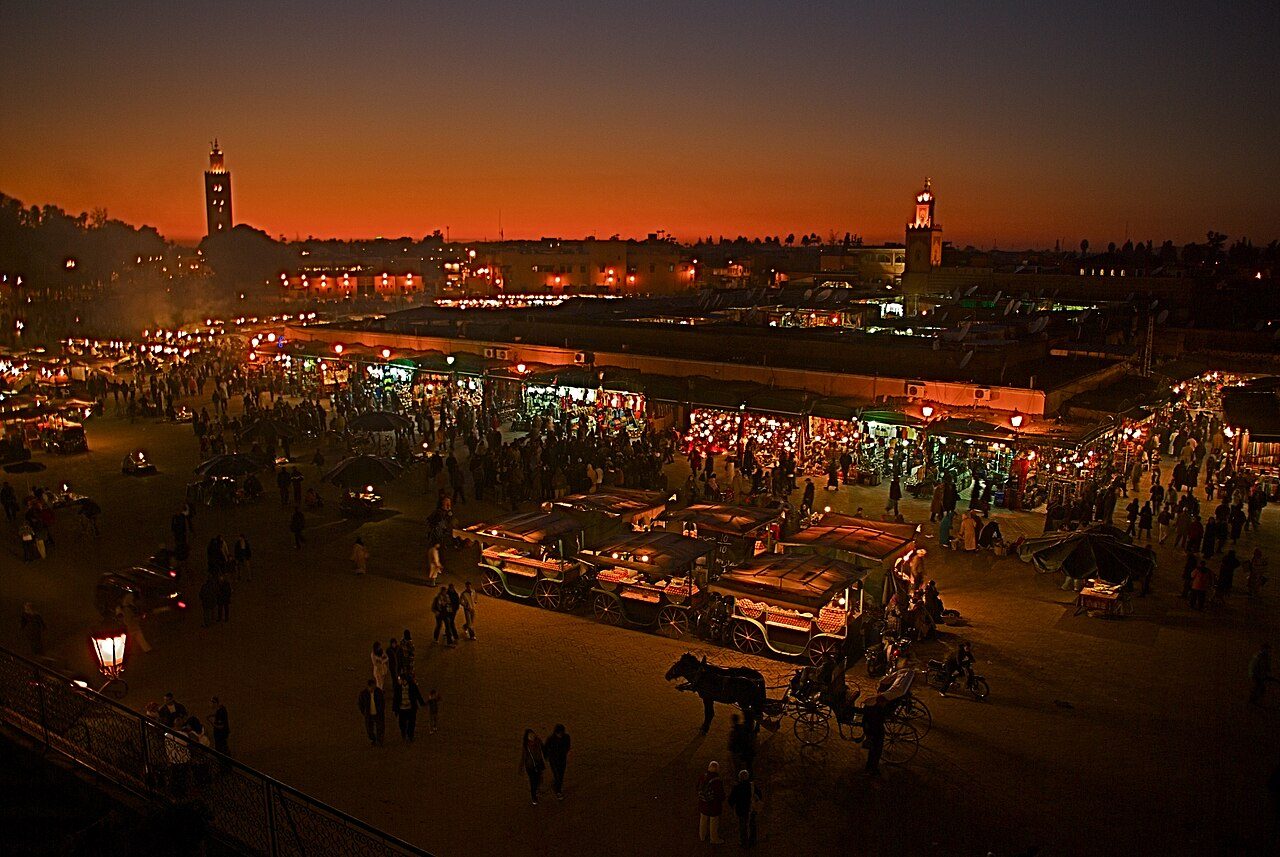
Jemaa el-Fnaa
The legendary main square of the medina, a daily spectacle of food stalls, musicians and storytellers.
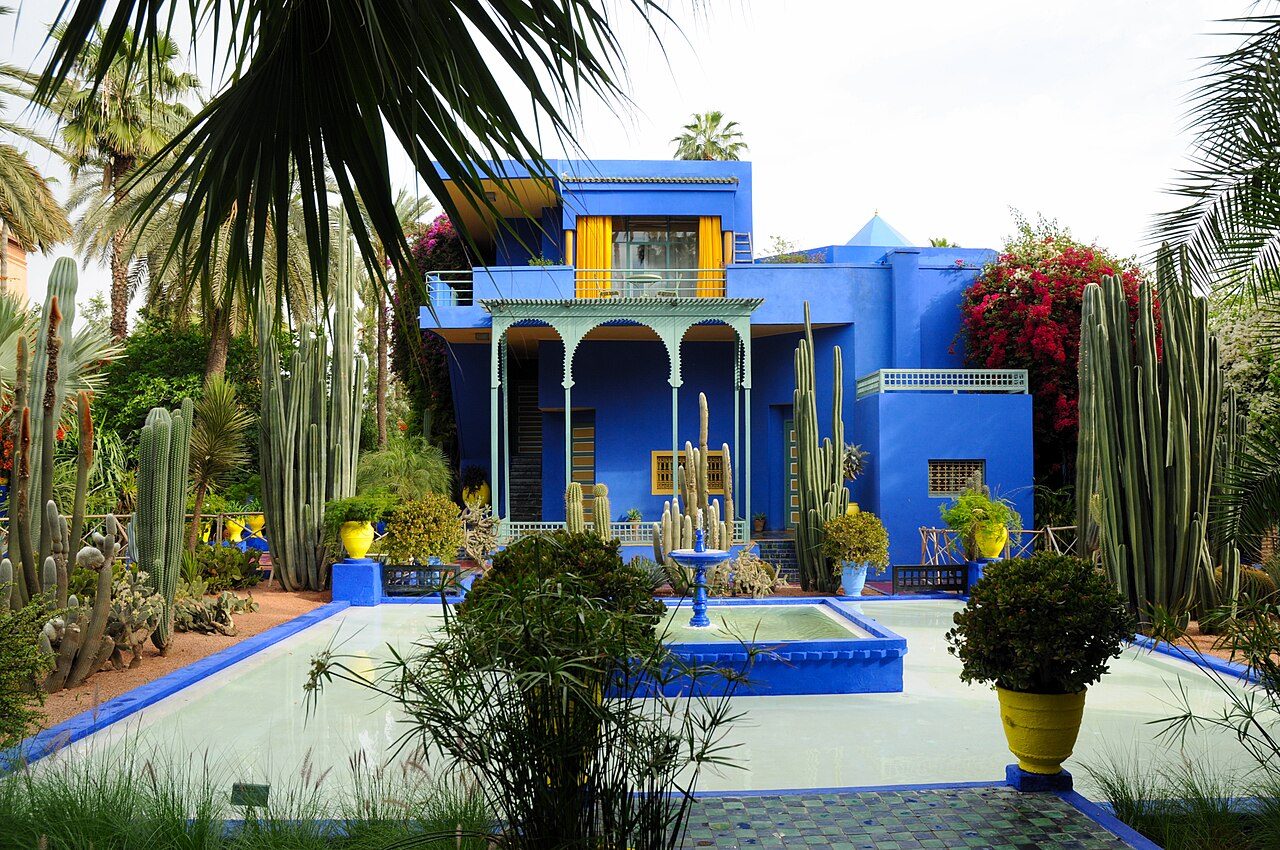
Majorelle Garden
A cobalt-blue villa and botanical garden created by the painter Jacques Majorelle and later restored by Yves Saint Laurent.
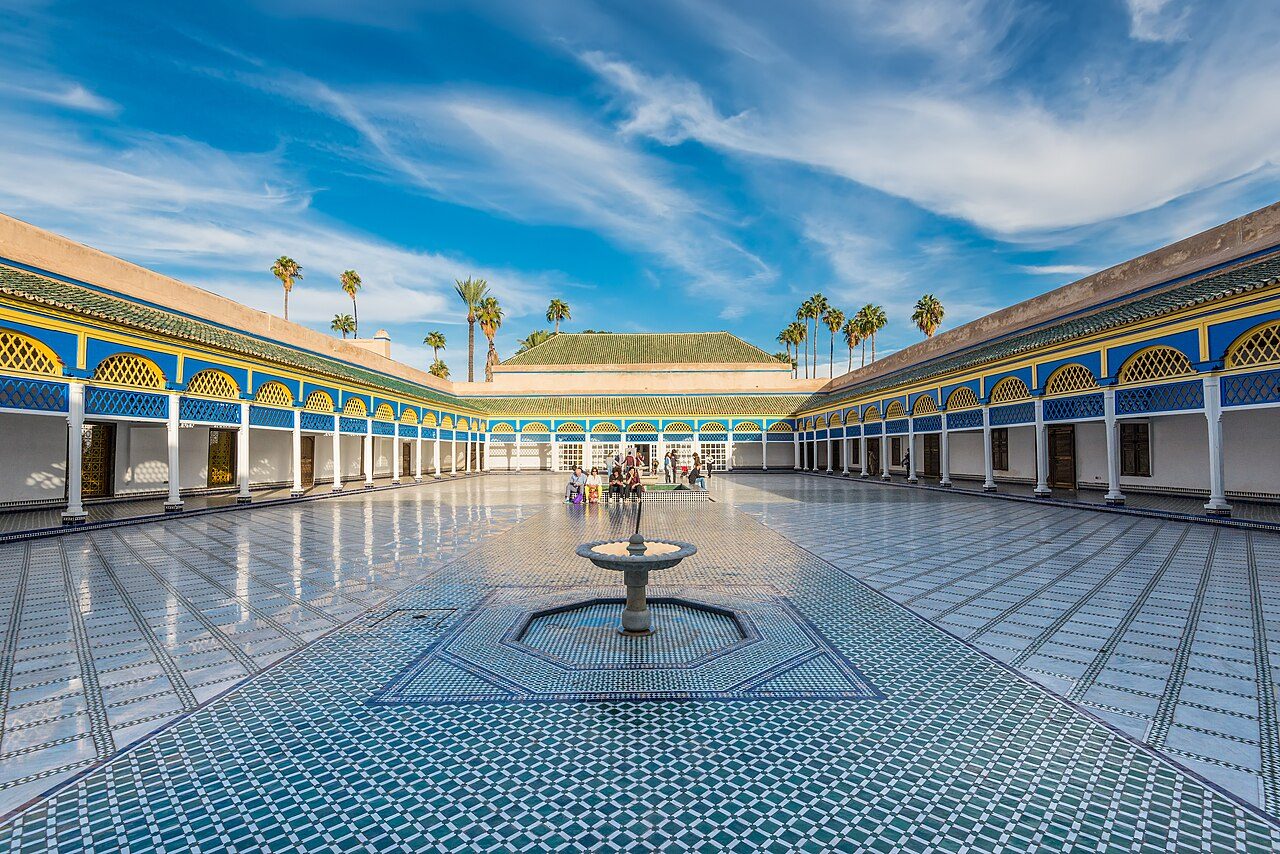
Bahia Palace
A 19th-century palace of painted cedar ceilings, zellige tilework and quiet courtyards.
Where to Stay in Marrakech
| Area | Best For | Avg. Price/Night |
|---|---|---|
| Medina (near Jemaa el-Fnaa) | Riads, atmosphere and walking to the sights | $60–$250 |
| Kasbah | Quieter riads near the palaces and the Saadian Tombs | $50–$180 |
| Gueliz | Modern hotels, restaurants, cafes and shops | $60–$200 |
| Hivernage | Luxury hotels, pools and nightlife | $120–$400 |
| Palmeraie | Resorts and villas among palm groves | $150–$500 |
What to Eat in Marrakech
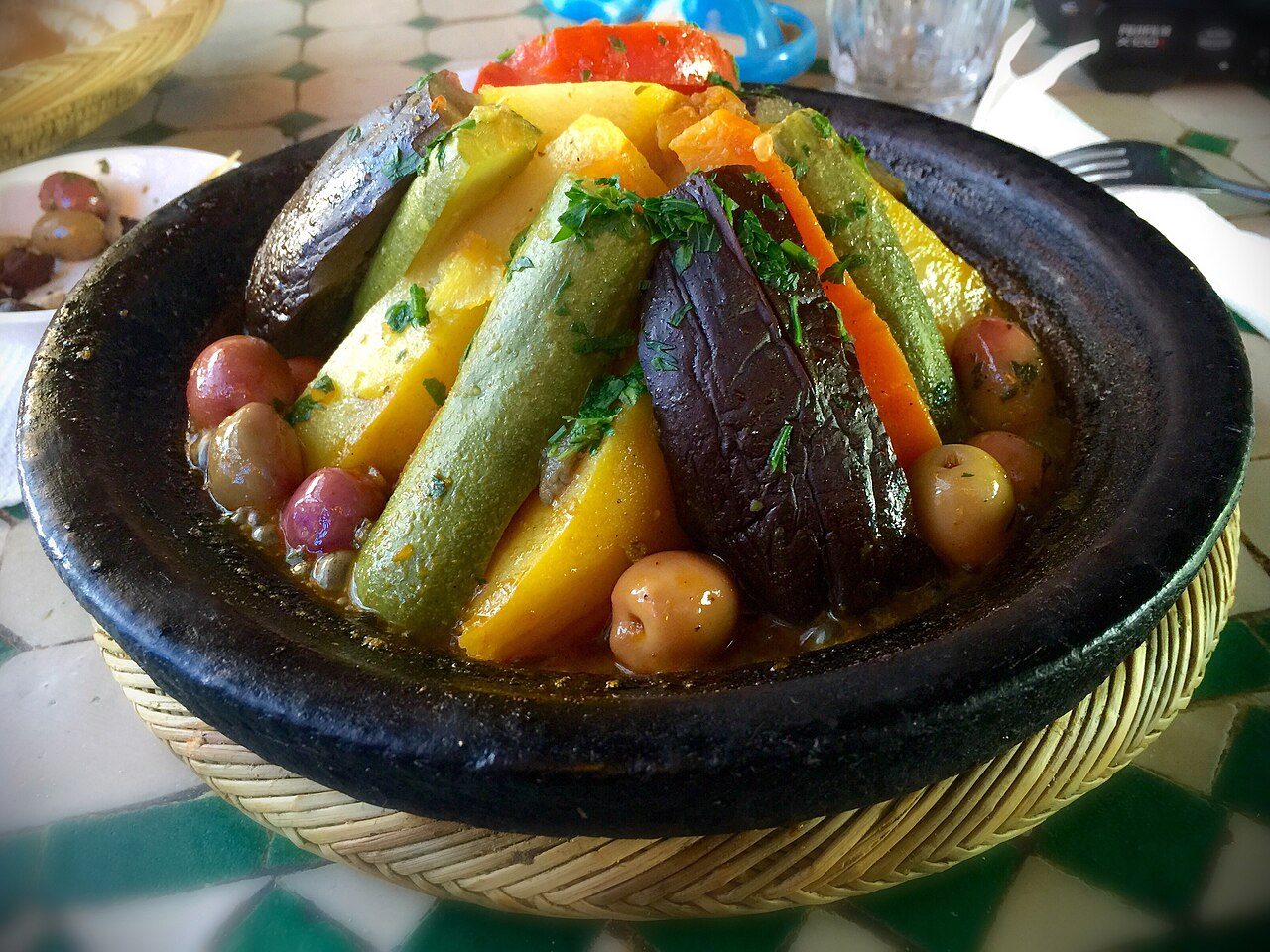
Tagine
A slow-cooked stew of meat, vegetables and spices, served in a conical clay pot, the signature dish of Morocco.
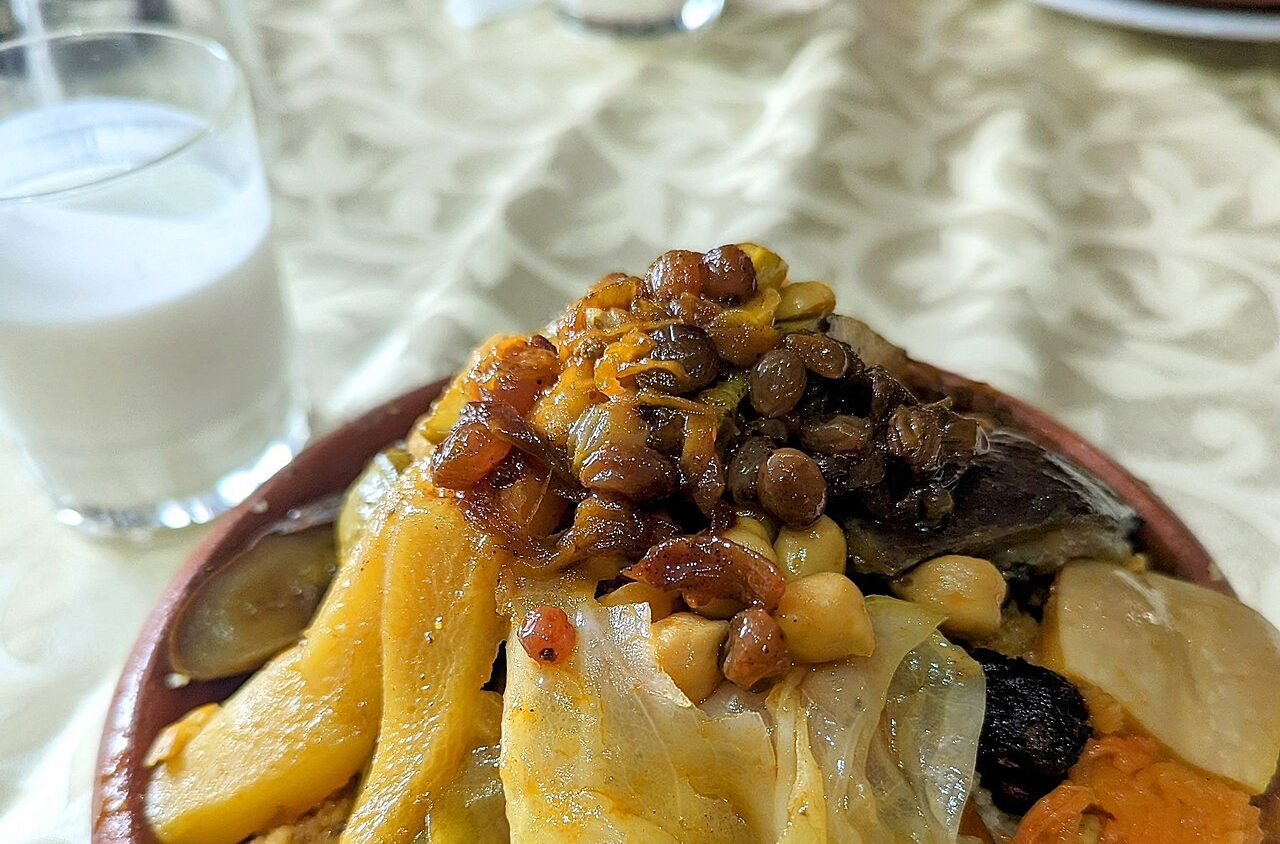
Couscous
Steamed semolina served with vegetables and meat, traditionally the Friday family meal.
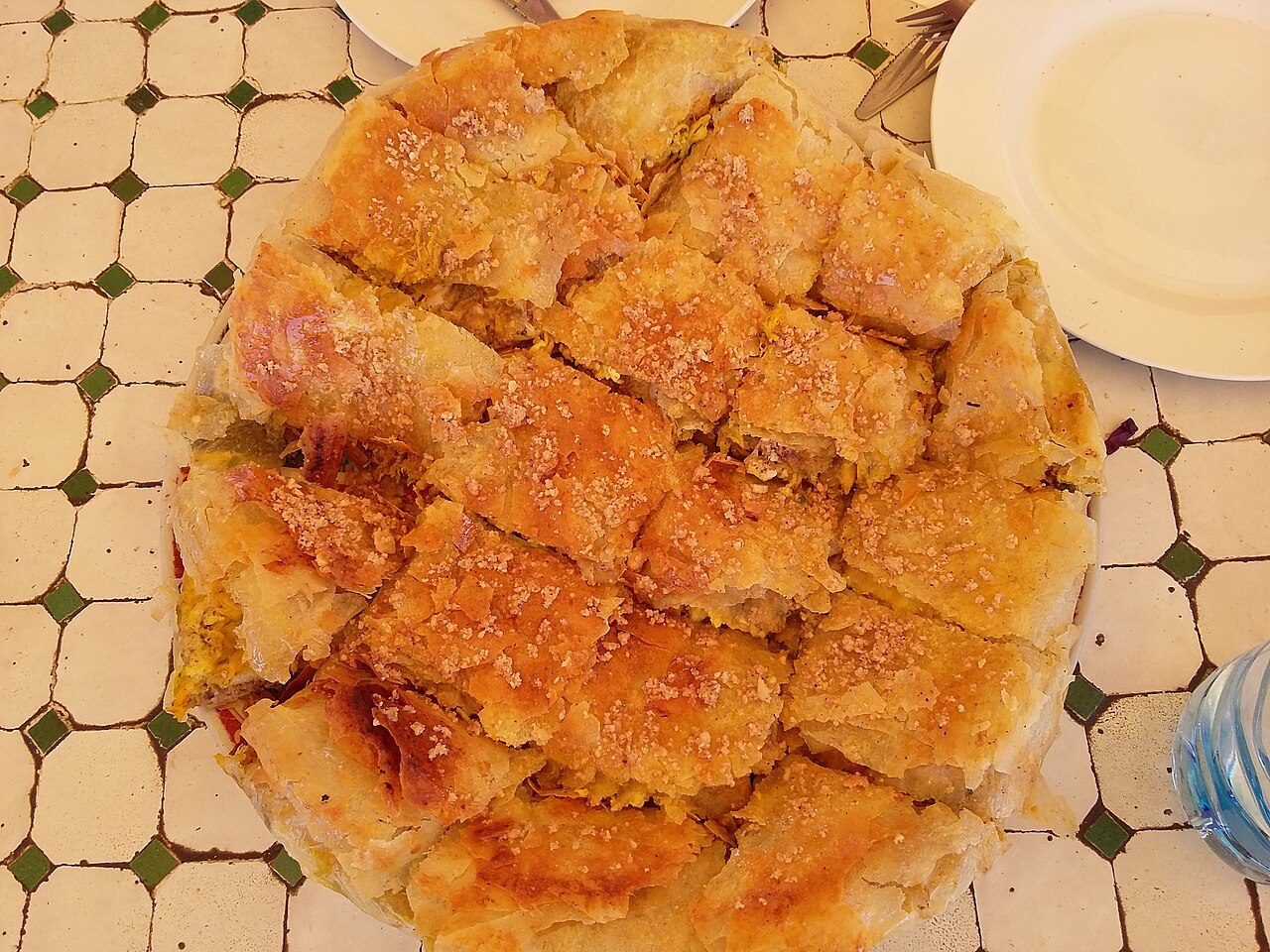
Pastilla
A flaky, sweet-and-savory pie of spiced pigeon or chicken, almonds and cinnamon, dusted with sugar.
Eat your biggest meal at lunch in a small local restaurant, where prices are low and tagines are made fresh. At Jemaa el-Fnaa, choose stalls that are busy with locals, check prices on the board before ordering and avoid anyone who pulls you to their stall.
Travel Budget
| Travel Style | Daily Budget | What's Included |
|---|---|---|
| Backpacker | $35–$55 | Hostel dorm, street food and cafe meals, a few monuments and local transport |
| Mid-Range | $100–$180 | Riad with breakfast, restaurant meals, a guide and a day trip |
| Luxury | $300+ | A palace-style riad or resort, fine dining, private drivers and a desert experience |
Prices in the souks are never fixed. Start at about a third of the first price, be friendly and ready to walk away, and compare similar items in several shops. Fixed-price government craft stores help you gauge what things should cost.