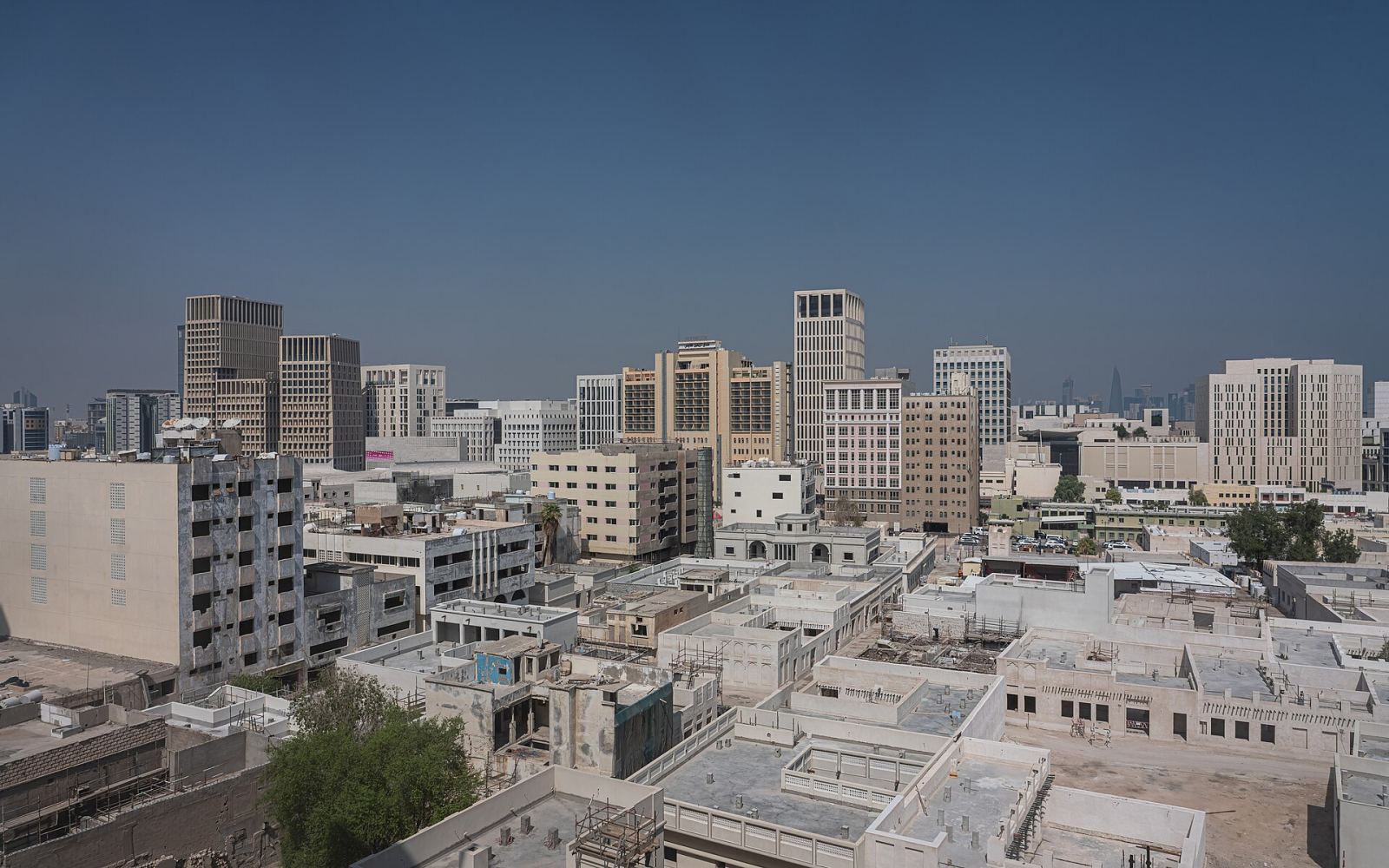
Al Wakrah: Qatar's Reconstructed Pearling Town, Explained
A historic souq rebuilt from archaeological research, opening straight onto Qatar's only beachfront heritage market.
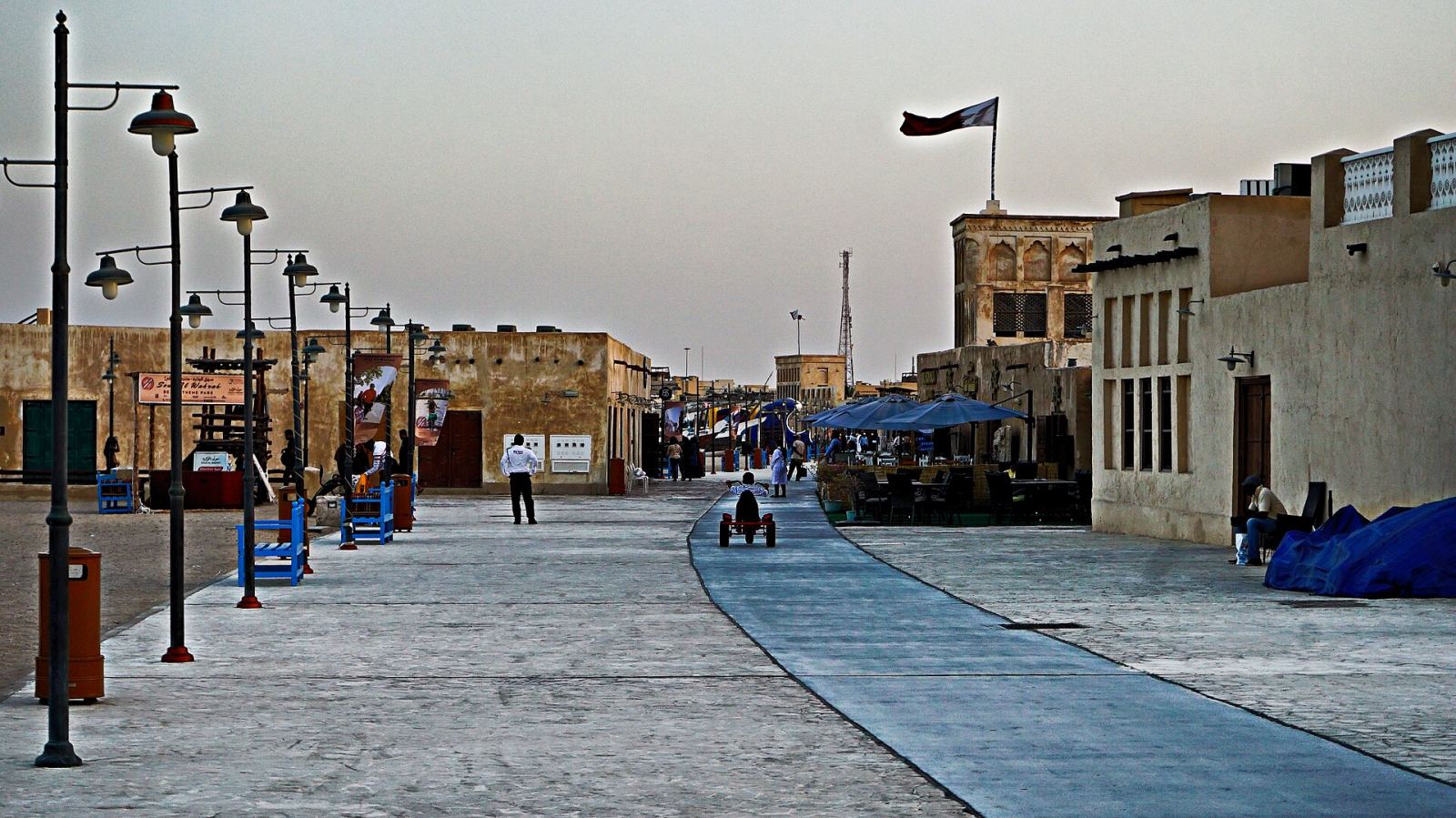
Al Wakrah sits about 20 kilometers south of central Doha, a former pearling and fishing town that today functions partly as a Doha suburb and partly as a genuinely distinct destination in its own right, built around a carefully reconstructed heritage souq and a long, uncrowded stretch of beach along the Arabian Gulf. For visitors who've already seen Souq Waqif in central Doha, Al Wakrah offers a quieter, less touristed alternative with its own particular character — smaller, calmer, and closer to the water in a way the central souq simply isn't.
The town's history stretches back more than two centuries, when Al Wakrah was a genuine settlement built around pearling and fishing, two industries that defined Qatar's economy long before the discovery of oil transformed the country entirely. As Qatar's oil wealth accelerated rapid modernization through the mid-20th century, the original old town was demolished in 1972 to make way for a modern corniche and new housing development, effectively erasing the physical fabric of Al Wakrah's pre-oil history in favor of contemporary infrastructure, a pattern repeated in other parts of the country during the same period.
Recognizing what had been lost, the State of Qatar later initiated a major preservation and reconstruction project, rebuilding the old souq based on historical documentation, archaeological evidence, and careful architectural analysis rather than simply constructing a generic heritage-style development. The reconstructed Souq Al Wakrah Al Qadeem officially opened in 2016 after years of research, and it now spans roughly 623,765 square meters, stretching for about three kilometers along the town's coastline, with a maze of courtyards and alleyways connecting 415 individual old-style houses to a central promenade of shops and restaurants.
| Time | Atmosphere | Best For |
|---|---|---|
| Sunrise | Quiet beach, soft light, few people | Photography and a peaceful walk along the shore |
| Morning | Cool, souq shops opening | Wandering the alleyways before the heat sets in |
| Afternoon | Warmer, quieter, some shops closed | A slower pace, best combined with shade breaks |
| Evening | Souq reopens, restaurants busy | Dinner along the promenade overlooking the beach |

The souq's architectural details reward slow, unhurried exploration — thick clay-style walls built to insulate against the heat, small internal courtyards designed for shade and airflow, traditional carved wooden doors, and old-style stables that hint at the town's pre-automobile past. Because the souq sits directly on the eastern edge of Al Wakrah's beach, it holds the distinction of being the only heritage market in Qatar that opens straight onto a shoreline, letting visitors move seamlessly from shopping and dining to a beach walk without leaving the site.
Al Wakrah draws a fraction of the foot traffic that Souq Waqif sees in central Doha, making it a genuinely more relaxed option for visitors who want the atmosphere of a traditional souq without the crowds. Shops here also tend to close for longer stretches during the afternoon heat, so plan around morning or evening hours.
Combining a morning visit to the souq with an afternoon at Al Janoub Stadium, a short drive away, makes for a genuinely full and varied day trip south of Doha, pairing the town's deep pearling-era heritage with one of the country's most architecturally distinctive pieces of contemporary sporting infrastructure in a single, easily manageable outing.
Beyond the souq itself, Al Wakrah is home to Al Janoub Stadium, one of the striking, dhow-inspired venues built for the 2022 FIFA World Cup, along with a growing residential population that has made the wider town one of the fastest-developing suburbs in the greater Doha metropolitan area. That mix of heritage preservation and contemporary growth gives Al Wakrah a genuinely different feel from either the historic center of Doha or the newer developments like West Bay and The Pearl.
Al Wakrah is roughly 20 to 25 minutes from central Doha by car and about 10 to 15 minutes from Hamad International Airport, making it a genuinely convenient stop either at the start or end of a Qatar trip rather than requiring a dedicated separate excursion. Rideshare apps and taxis both operate reliably in the area, and the souq itself is best explored entirely on foot once you've arrived.
Fishing remains a visible part of daily life around Al Wakrah even today, with small boats still working the waters offshore each morning, a genuine continuity with the town's pearling and fishing past that gives the area a lived-in authenticity beyond its reconstructed heritage architecture. Watching the fleet come in near dawn is one of the more understated, unadvertised experiences available to early-rising visitors.
Local seafood restaurants along the promenade take full advantage of that daily catch, and eating fresh grilled fish or prawns with a view over Al Wakrah Beach is one of the more straightforward pleasures of a visit here, especially compared to the more formal, higher-priced dining found in central Doha's hotel districts.
The souq's reconstruction project drew on input from historians, architects, and Al Wakrah residents whose families had lived in the original town before its 1972 demolition, an unusually collaborative approach to heritage rebuilding that helps explain why the finished result feels considerably more grounded and less generic than many purpose-built 'heritage village' developments found elsewhere in the Gulf.
Falconry and traditional Qatari pastimes occasionally feature in cultural programming around the souq during the cooler winter months, and the wider Al Wakrah area has become a genuine draw for residents of Doha itself on weekends, not just international visitors, which says something about how successfully the reconstruction managed to capture a sense of authentic local character rather than simply staging heritage for tourists passing through.