Baklava in Istanbul: What to Look For and Where to Buy It
What makes good baklava, why Gaziantep matters, and why a dedicated baklava shop beats a general bakery.

Baklava: Layers, Nuts, and Syrup
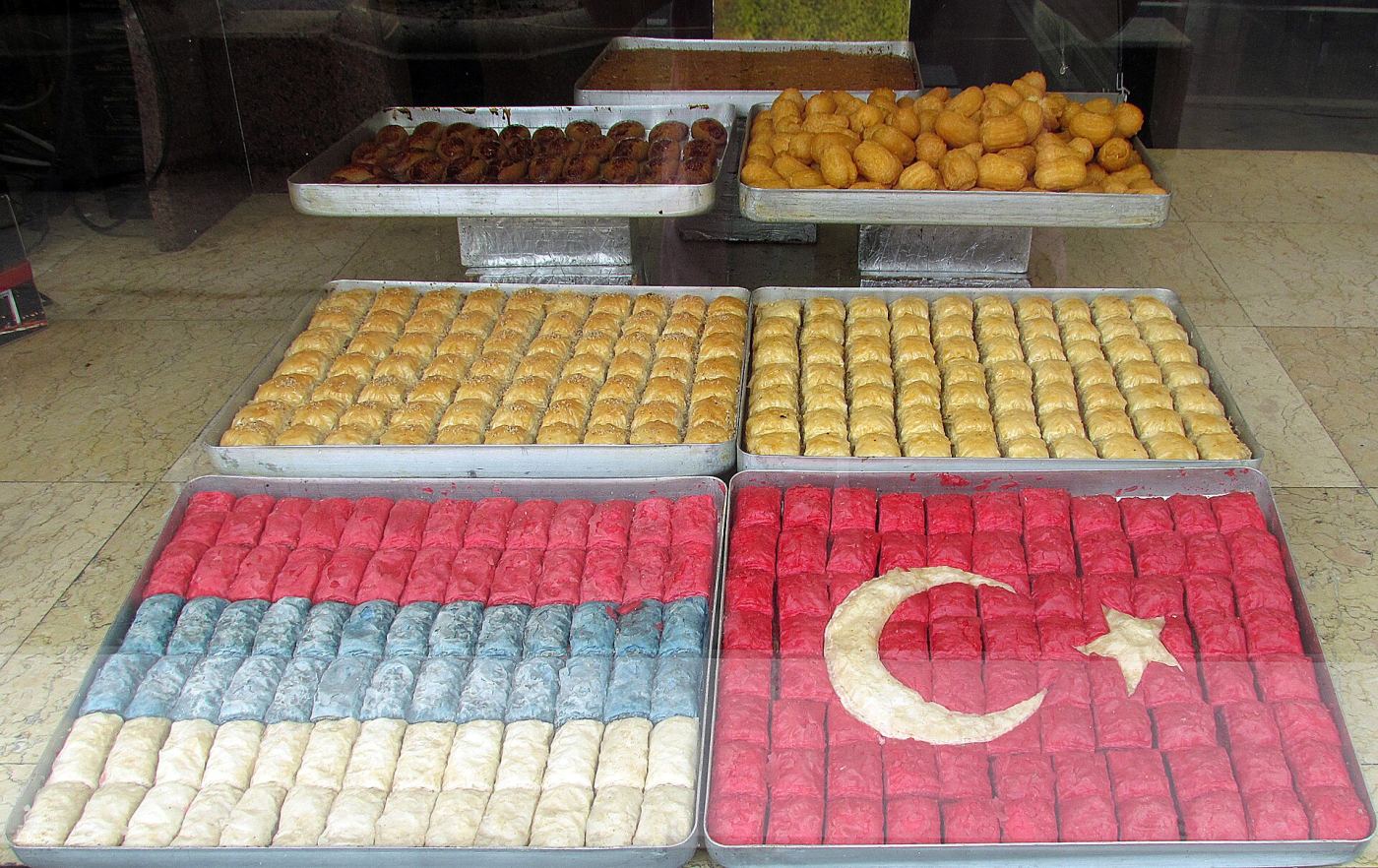
Baklava is built from dozens of paper-thin layers of filo pastry, brushed with butter between each layer, filled with chopped nuts (traditionally pistachio in Turkey), and soaked in a sugar or honey syrup after baking. Gaziantep, a city in southeastern Turkey, is widely considered the country's baklava capital, and pistachio baklava from Gaziantep carries something close to a regional designation of quality, similar to how Champagne refers to a specific region in France.
Why a Dedicated Baklava Shop Matters
Baklava is technically demanding to make well — the filo needs to be rolled thin enough to be nearly translucent, and the syrup-to-pastry ratio has to be balanced so the dessert is moist but not soggy. Dedicated baklava shops (baklavacı) that specialize in nothing else tend to produce noticeably better results than general bakeries, since the technique benefits from focused practice rather than being one item among many.
Types of Baklava
| Style | What It Is |
|---|---|
| Fıstıklı baklava | The classic pistachio version, most associated with Gaziantep |
| Cevizli baklava | Made with walnuts instead of pistachio |
| Şöbiyet | A folded, cream-filled variation of baklava |
| Kadayıf | Made with shredded, thread-like pastry instead of flat filo sheets |
Baklava doesn't keep especially well once cut — buying a smaller amount fresh and returning for more if needed generally beats buying a large box that sits for days.