Balat: Istanbul's Colorful, Layered Historic Quarter
Ottoman-era houses painted by religion, a cast-iron Bulgarian church, and the neighborhood behind Istanbul's most photographed streets.
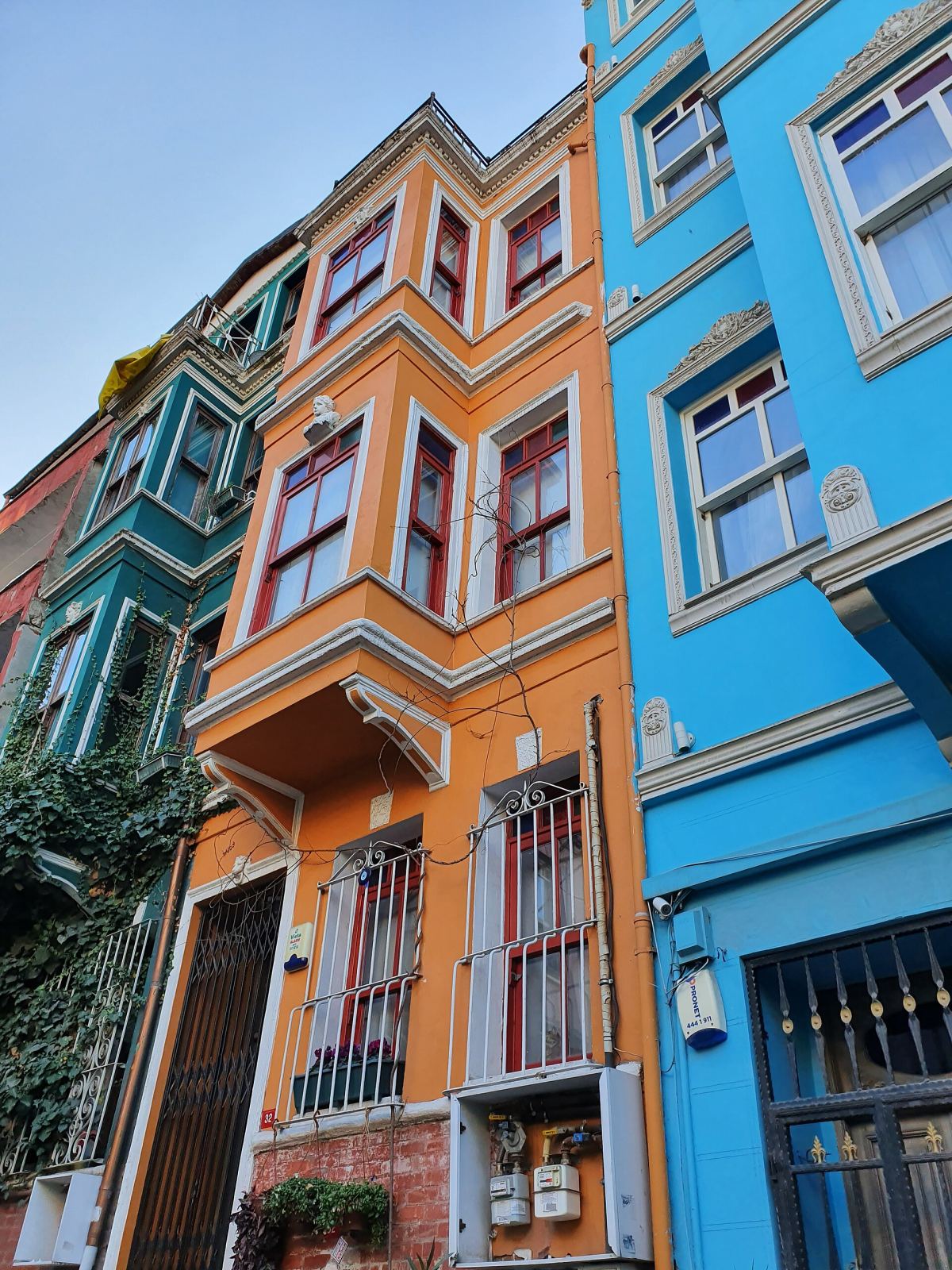
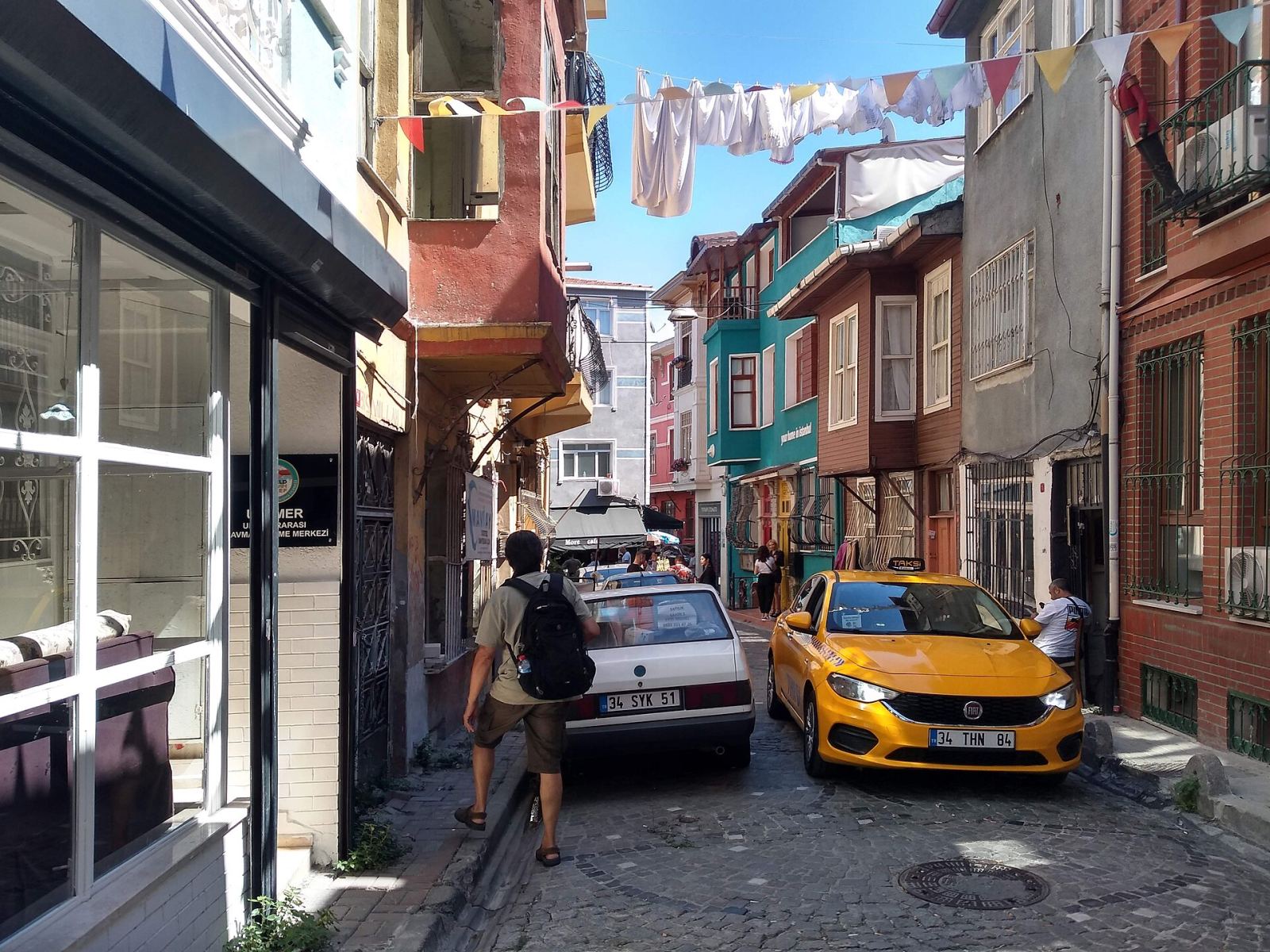
Balat, tucked along the Golden Horn in Istanbul's Fatih district, is one of the city's oldest and most visually striking neighborhoods, known today primarily for its steep, narrow streets lined with brightly painted historic houses in shades of pink, blue, orange, and green. What was once considered a rundown, largely overlooked corner of the old city has, over the past decade, become one of Istanbul's most photographed and Instagram-famous districts, drawing a steady stream of visitors specifically to walk its colorful streets and sip coffee in its growing cluster of independent cafés.
Balat's history stretches back to the Byzantine era, but it's best known as the historic heart of Istanbul's Jewish community, who settled here in significant numbers after being expelled from Spain in 1492 and welcomed into the Ottoman Empire under Sultan Bayezid II. Over the following centuries, the neighborhood grew into a genuine multicultural mosaic, home not only to Sephardic Jews but also to Greek Orthodox Christians, Armenians, and Muslims, all living within the same tight network of streets — a layered coexistence still visible today in the neighborhood's churches, synagogues, and mosques standing within easy walking distance of one another.
The tradition of painting houses in distinct colors dates back to the Ottoman period itself, when residents were reportedly required to paint their homes according to their religious background, making a neighborhood's demographic makeup visible at a glance from the color of its rooftops and façades. Most of the houses standing today date from the late Ottoman era, built with narrow frontages, tall bay windows, and ornate wooden and stone detailing that reflect a genuinely distinct architectural style from the grander imperial buildings found elsewhere in the historic peninsula.
| Time | Atmosphere | Best For |
|---|---|---|
| Early morning | Quiet streets, soft light, few visitors | Photography without crowds |
| Midday | Busiest with tour groups and photographers | Café hopping and browsing local shops |
| Late afternoon | Golden light on the colorful façades | The best photo conditions of the day |
| Evening | Quieter, residents out on their stoops | A slower, more local-feeling walk |
Balat's religious landmarks reflect its genuinely diverse past — the Bulgarian St. Stephen Church, an entirely cast-iron structure shipped in prefabricated sections from Vienna in the late 19th century, sits along the Golden Horn shore, while the Ahrida Synagogue, one of the oldest and largest in Istanbul, dates back to the Byzantine era and remains active today. Chora Church, a short walk uphill, holds some of the finest surviving Byzantine mosaics and frescoes anywhere in the city, offering a genuinely significant art-historical stop for visitors willing to extend their Balat walk slightly further inland.
Balat's colorful houses are lived-in residences, not a museum installation, and the neighborhood's growing popularity has created real tension with longtime residents. Photograph building exteriors respectfully, avoid entering private stoops or gardens, and keep noise down on residential streets.
Balat's café and vintage shop scene has grown rapidly in recent years, with small, independently run spots opening in restored historic buildings throughout the neighborhood, offering specialty coffee, brunch, and secondhand goods to a mix of local creatives and visitors. This new layer of businesses sits somewhat uneasily alongside the neighborhood's older, more working-class character, and that tension between rapid gentrification and genuine historic preservation is very much still playing out in real time as more of Balat's buildings get restored and repurposed.
Fener, Balat's immediate neighbor along the Golden Horn, shares much of the same historic and religious layering and is worth combining with a Balat visit — the Fener Greek Orthodox College, with its striking red-brick tower visible from across the water, has served as the seat of the Ecumenical Patriarchate of Constantinople for centuries and remains one of the most visually dramatic landmarks along this stretch of shoreline.
Balat is best reached by taxi, rideshare, or the historic ferry line along the Golden Horn from Eminönü, since the neighborhood's steep, narrow, cobblestoned streets are not well served by larger buses. Comfortable, sturdy footwear is genuinely worth prioritizing here given the hilly terrain, and most visitors find two to three hours enough to wander the main colorful streets and stop for coffee without needing a longer, more structured visit.
Community-led restoration projects, several backed by international heritage organizations, have played a significant role in Balat's recent transformation, funding the careful repainting and structural repair of individual historic houses rather than wholesale redevelopment, an approach credited with preserving much of the neighborhood's original character even as its popularity with visitors has surged dramatically over the past decade. Cobblestone lanes too steep and narrow for cars have helped keep parts of the district feeling genuinely untouched by comparison.
Local artisans still operate small workshops throughout Balat, continuing crafts like woodworking and metalworking that have persisted in the neighborhood for generations, offering visitors willing to look past the most photographed streets a genuine glimpse of the working-class trades that shaped this part of the city long before it became a destination for coffee and photography.
Vintage and secondhand clothing shops have become another genuine specialty in Balat over the past few years, with several small stores curating racks of retro Turkish and European pieces that draw a distinctly younger, fashion-conscious crowd alongside the more typical daytime tourist traffic photographing the colorful façades along the neighborhood's steepest streets. Weekday mornings, before the tour groups arrive in force, tend to offer the best balance between good light and a genuinely manageable, uncrowded atmosphere for exploring these particular shops at a relaxed pace.