Best Ramen Shops in Tokyo
Tokyo has thousands of ramen shops — here are the ones actually worth the wait, from Michelin-recognized tsukemen to late-night tonkotsu institutions.

Tokyo might be the best ramen city on Earth. Regional styles from across Japan — tonkotsu from Kyushu, miso from Hokkaido, shoyu from Tokyo itself — have all converged here, and the competition keeps standards brutally high. A mediocre ramen shop in Tokyo simply doesn't survive long.
That means you genuinely can't go too wrong, but a handful of shops have earned a reputation that makes them worth planning around — including several with Michelin Bib Gourmand recognition. Here's where to start.
🍜 What Makes Tokyo's Ramen Scene Different
Unlike a lot of cities where one restaurant serves a broad menu, most serious Tokyo ramen shops do exactly one thing — often a single bowl, maybe with a couple of size or spice variations — and spend years perfecting it. That specialization is a big part of why the quality bar is so high even at tiny, unassuming counters that only seat eight or ten people.
It also explains the queue culture. A line outside a ramen shop, even a modest-looking one, is usually a good sign rather than a red flag — locals will happily wait 20 or 30 minutes for a bowl they know is worth it, and turnover is fast once you're seated, so lines move quicker than they look.
Ramen in Tokyo at a Glance
🥣 Understanding Tokyo's Ramen Styles
Before picking a shop, it helps to know what you're ordering — ramen styles vary more than most first-time visitors expect.
| Style | Broth | Best For |
|---|---|---|
| Shoyu | Soy-based, clear and light | Classic Tokyo flavor, a good starting point |
| Tonkotsu | Pork bone, rich and creamy | Hearty comfort food, best when hungry |
| Miso | Fermented soybean paste, robust | Cold-weather warming, bold flavor |
| Tsukemen | Thick dipping broth, served separately | Noodle texture lovers, less soupy |
🏆 Top Ramen Shops to Try
Ichiran
Solo dining booths, fully customizable tonkotsu broth, and locations across the city (including 24-hour spots). The most tourist-friendly introduction to ramen.
Fuunji
A Shinjuku legend for tsukemen — expect a line, but the smoky, fish-and-pork dipping broth is worth it. Closed Sundays.
Rokurinsha
Inside Tokyo Station's famous "Ramen Street," this is one of the most convenient stops for travelers with a train to catch.
Nakiryu
A Michelin Bib Gourmand pick in Otsuka, known for its rich tantanmen. Book ahead if you can — it's tiny and popular.
Menya Musashi
A hearty tonkotsu-shoyu blend near Shinjuku Station, popular for a satisfying bowl after a night out.
Afuri
A lighter, citrusy yuzu shio ramen — a great option if you find typical tonkotsu too heavy. Multiple locations, including Ebisu and Harajuku.
🗺️ Ramen by Neighborhood
If you're building a ramen stop into a wider day of sightseeing, it helps to know which neighborhoods cluster the best shops.
| Neighborhood | Known For |
|---|---|
| Shinjuku | The highest concentration of famous shops, including Fuunji and Menya Musashi |
| Tokyo Station | Ramen Street — eight shops in one underground corridor, ideal before a train |
| Ikebukuro | A strong, less touristy scene with excellent tonkotsu and tsukemen options |
| Otsuka / Sugamo | Home to quieter, Michelin-recognized spots like Nakiryu, away from the crowds |
| Ebisu / Harajuku | Lighter, modern styles — Afuri's yuzu shio ramen is the standout here |
🚉 Tokyo Ramen Street (Tokyo Station)
If you're short on time, Tokyo Ramen Street — an underground corridor inside Tokyo Station with eight well-regarded shops clustered together — is worth knowing about. Rokurinsha is the most famous name here, but the whole corridor is a convenient way to try a great bowl without a special detour, especially if you're catching a Shinkansen anyway.
🎫 How to Order Ramen Like a Local
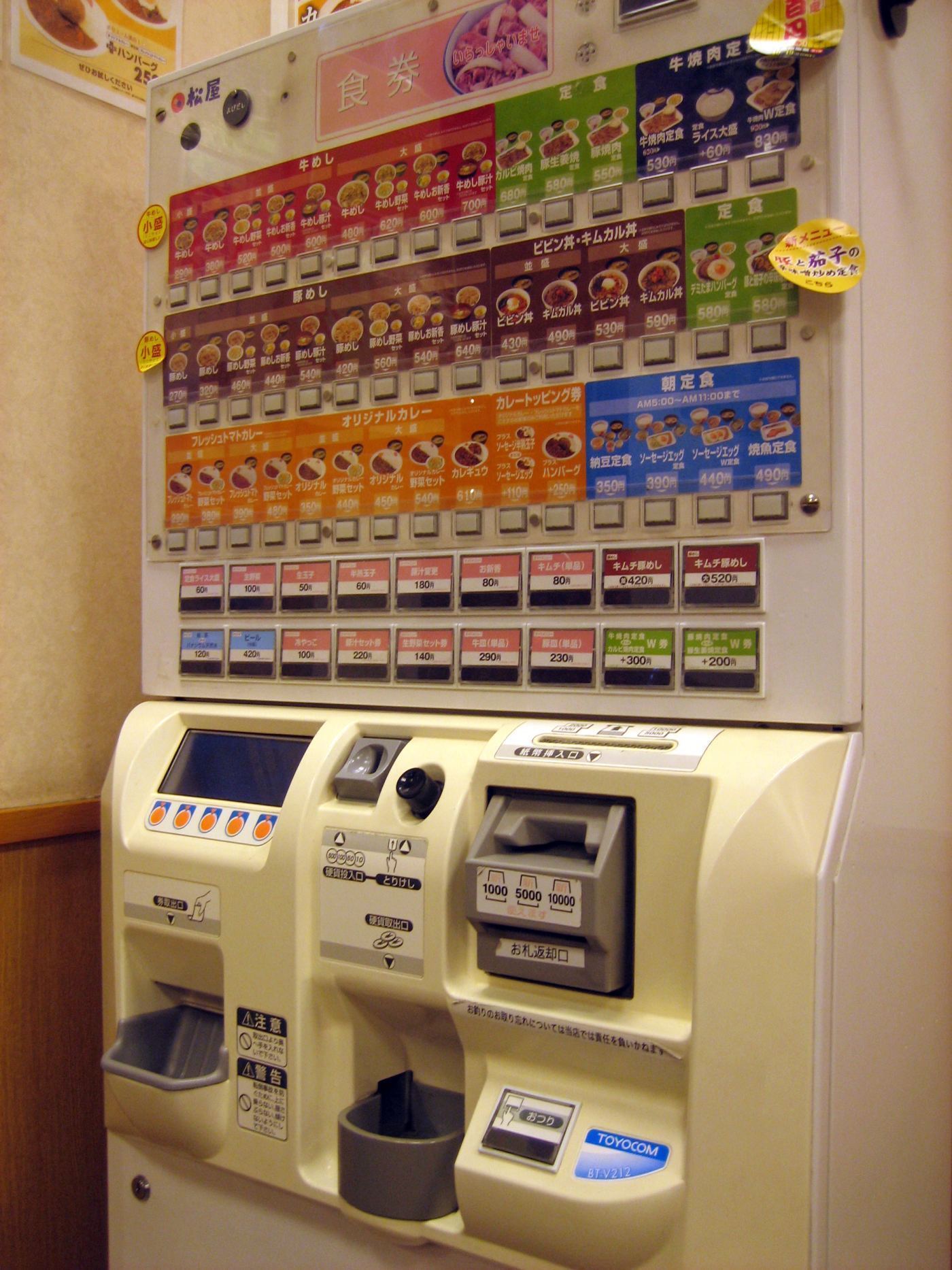
Most ramen shops use a ticket vending machine (kenbaiki) just inside the entrance. Pick your dish and toppings from the buttons — often with pictures if not English labels — pay with cash or IC card, take your ticket, and hand it to the staff once seated. There's rarely a wait for a table beyond the initial queue outside; turnover is fast since most people eat and go.
Slurping is normal and even encouraged — it's said to cool the noodles and enhance the flavor. Ramen shops aren't really places to linger and chat; eat reasonably quickly, especially if there's a line forming behind you. Most counters are cash-friendly but increasingly take IC cards too, so keep some cash as backup.
🌱 Vegan and Vegetarian Ramen Options
Traditional ramen broths are almost always built on pork bones or fish stock, which makes vegetarian and vegan ramen genuinely hard to find at old-school shops. That said, the scene has caught up in recent years — T's TanTan, with a branch inside Tokyo Station, serves a fully vegan tantanmen that's become a go-to recommendation, and a small but growing number of shops across the city now offer plant-based broths. If dietary restrictions are a priority, it's worth researching specific vegan-friendly shops before you go rather than assuming any counter will have an option.
💰 Budgeting for a Ramen Crawl
| Item | Typical Cost |
|---|---|
| One bowl of ramen | ¥800–¥1,400 |
| Gyoza side (6 pcs) | ¥300–¥500 |
| Extra topping (ajitama egg, extra chashu) | ¥100–¥250 |
| Two-shop ramen crawl in one day | ~¥2,000–¥2,800 |