Omotesando: Tokyo's Champs-Élysées, Explained
A complete guide to Omotesando — the tree-lined avenue of architect-designed flagship stores that's Harajuku's upscale counterpart to Takeshita Street.

Why Omotesando Is Worth Your Time
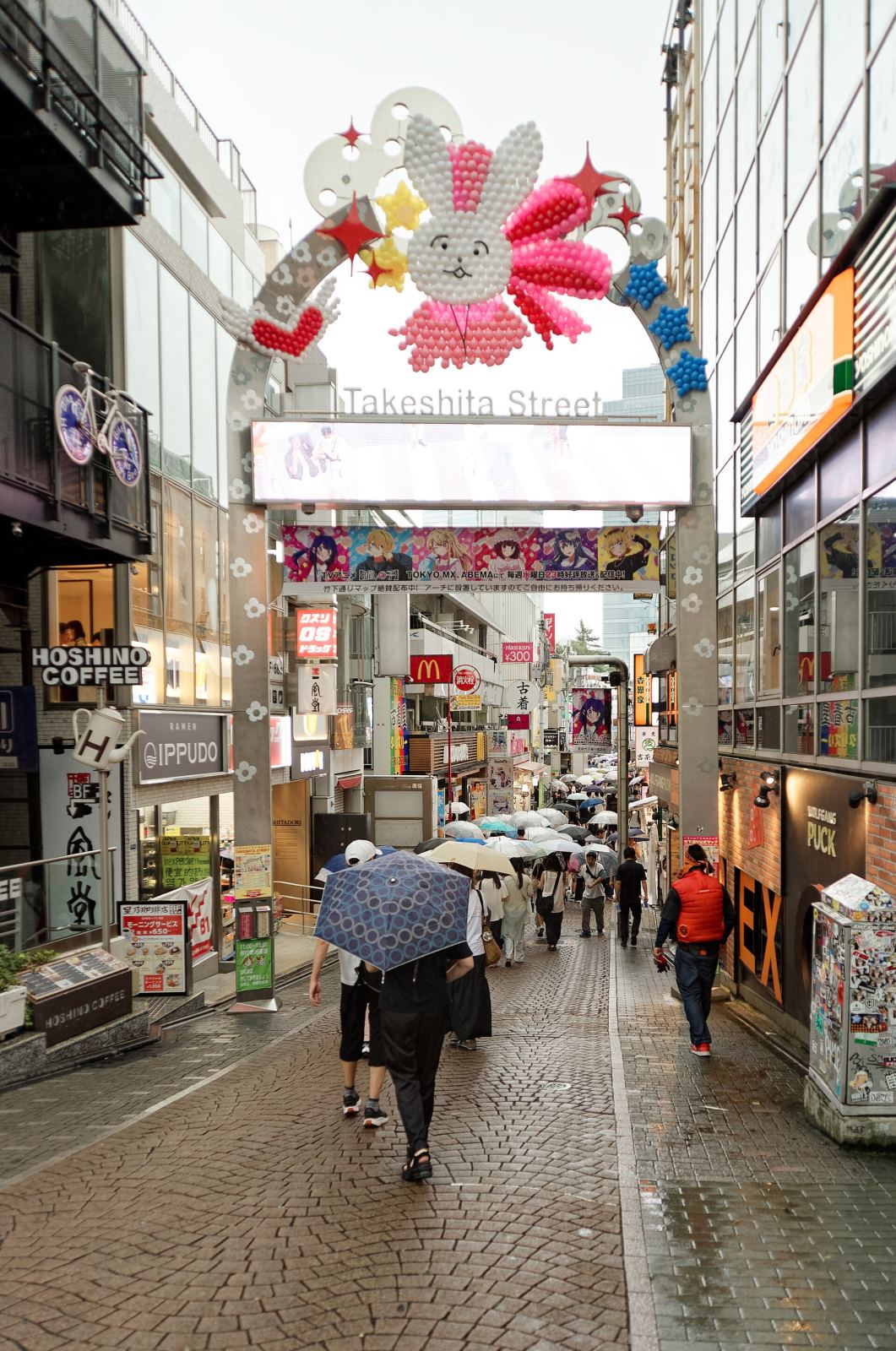
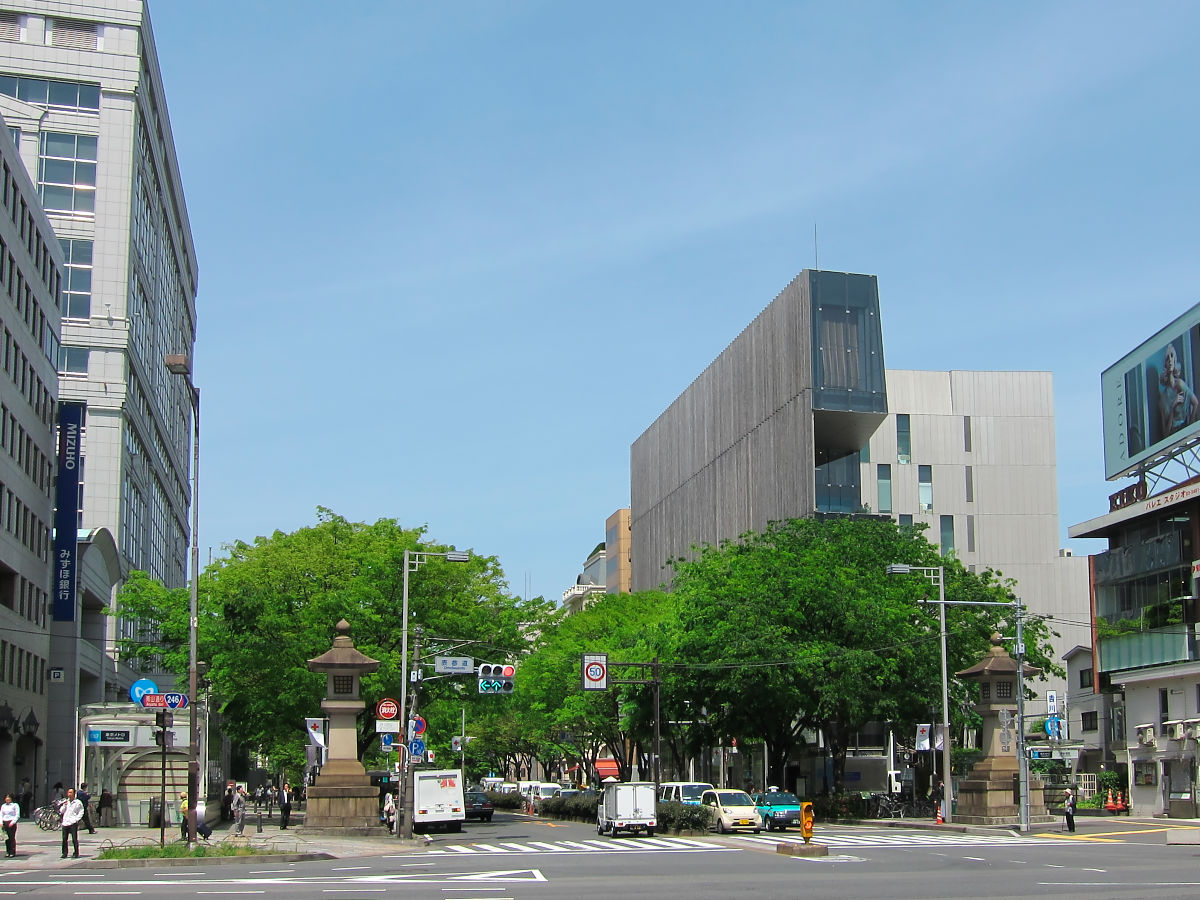
If Takeshita Street is Harajuku's teenage, budget-friendly energy, Omotesando is its grown-up counterpart just one block south — a broad, zelkova tree-lined avenue often nicknamed Tokyo's Champs-Élysées. Where Takeshita Street packs crepe stands and fast fashion into 400 crowded meters, Omotesando stretches out over a full kilometer of flagship stores designed by some of the world's most famous architects, catering to an older, wealthier crowd. It's less about grabbing a quick photo and more about a genuinely pleasant walk — wide sidewalks, mature trees providing shade, and buildings worth stopping to look at even if you have no intention of shopping.
The two streets are close enough that most visitors do both in a single afternoon: start on Takeshita Street for the chaos and crepes, then walk south to Omotesando to cool down with tree-lined calm and window-shop past storefronts that function almost as art installations in their own right. It's a genuinely different register of Tokyo, and seeing both back to back does a better job of showing the city's range than either one alone.
A Brief History: From Shrine Approach to Architecture Showcase
Omotesando's name literally means "front approach," and that's exactly what it was built as: the formal entry road to Meiji Shrine, laid out in the Taishō era (1912–1926) and widened in 1919 as the shrine's official approach route. For most of the 20th century, it stayed a relatively quiet, residential avenue. The turning point came in 2005 and 2006, when the 1927 Dōjunkai Apartments — a historic residential complex along the avenue — were demolished and replaced by Omotesando Hills, a strikingly modern shopping and residential complex designed by Pritzker Prize-winning architect Tadao Ando. That single project reframed Omotesando as a destination for architecture as much as retail, and international luxury brands followed quickly, each commissioning their own architect-designed flagship rather than settling for a generic storefront.
The Architecture Walk: Flagship Stores by World-Famous Architects
Omotesando is considered one of the foremost "architectural showcase" streets anywhere in the world, and you don't need to shop to appreciate it. Within a short walk of each other sit the Louis Vuitton store (designed by Jun Aoki in 2002, its ten floors stacked like a set of travel trunks), the Tod's building (Toyo Ito, 2004, with a distinctive tree-branch-patterned concrete facade), the Dior store (designed by the firm SANAA in 2004, wrapped in a rippling white facade), and Omotesando Hills itself (Tadao Ando, 2006). Gyre, a angular multi-level complex by Dutch firm MVRDV, added another architectural landmark in 2007. More recently, Tokyu Plaza Omotesando (nicknamed "Omokado") opened in 2012 with a kaleidoscopic mirrored entrance that's become one of the most photographed details on the entire avenue, and its 2024 sister building Tokyu Plaza Harajuku ("Harakado") added another striking structure diagonally across the Jingumae intersection at the avenue's western end.
The stretch of Omotesando closest to Omotesando Hills is generally considered the heart of the avenue, but it's worth walking the full length in both directions — the Aoyama end, further from Harajuku Station, tends to be quieter and holds some of the more understated architectural highlights, including smaller boutique buildings that don't get the tourist attention Louis Vuitton or Omotesando Hills do. If you enjoy architecture specifically, budgeting extra time to walk both ends rather than turning back after Omotesando Hills is worth it.
Best Time to Visit
Most shops along Omotesando open around 11:00 and close by 20:00, with Omotesando Hills running slightly later on weekdays.
| Time | Crowd Level | Atmosphere |
|---|---|---|
| Weekday morning (11:00–13:00) | Low | Quiet enough to actually appreciate the architecture and tree-lined sidewalks |
| Weekday afternoon (14:00–18:00) | Moderate | Comfortable browsing pace, good natural light for photos |
| Weekend afternoon (12:00–19:00) | High | Busiest window, especially around Omotesando Hills and the Tokyu Plaza buildings |
| Evening (after 19:00) | Low-Moderate | Flagship stores lit up, restaurants busier, a calmer walking pace |
Beyond the Boutiques: Kiddy Land, Oriental Bazaar, and Ura-Harajuku
Not everything on Omotesando is a luxury flagship. Kiddy Land, a five-floor toy store with a full Snoopy Town section and a Hello Kitty shop, has been a fixture on the avenue since the postwar period and remains genuinely fun for visitors of any age. Oriental Bazaar, another long-running institution, sells Japanese souvenirs, antiques, and traditional crafts aimed at exactly the kind of shopper who isn't looking for a designer handbag. And if the flagship stores start to feel repetitive, Omotesando's side streets — known as Ura-Harajuku, or "the Harajuku backstreets" — hold a completely different scene: smaller independent cafes, bars, and boutique shops with none of the crowds of the main avenue. Omotesando is also the venue for Tokyo's annual Saint Patrick's Day Parade every March, one of the larger public events the avenue hosts each year.
The mirrored entrance at Tokyu Plaza Omotesando (Omokado) is free to visit and one of the most reliably interesting photo spots on the whole avenue — arrive on a weekday morning if you want it without a crowd of other people also taking photos of themselves in the mirrors.
What's Nearby: Meiji Shrine and Takeshita Street
Omotesando's western end feeds directly into the approach to Meiji Shrine, the dense forested Shinto shrine that the avenue was originally built to serve — free to enter, open sunrise to sunset, and a genuinely calming contrast to the shopping just outside its gates. The eastern end connects to Aoyama-dori and Omotesando Station. And running parallel just to the north is Takeshita Street, Harajuku's narrow, crowded fashion strip that couldn't feel more different from Omotesando despite being only a few minutes' walk away.
We've written a full breakdown of that street in our Takeshita Street guide — pairing the two makes for one of the most contrasted afternoons you can spend in Tokyo. If you're still mapping out the rest of your trip, our guide on how many days you need in Tokyo is worth a read too.
Getting There
Omotesando Station, served by the Tokyo Metro Chiyoda, Ginza, and Hanzomon lines, sits at the avenue's eastern end and is the most direct way in if you're coming from central Tokyo. For the western end, near Meiji Shrine and Takeshita Street, use Harajuku Station on the JR Yamanote Line or Meiji-jingumae Station on the Chiyoda and Fukutoshin lines — both put you within a short walk of where Omotesando begins.