Takeshita Street: The Ultimate Guide to Harajuku's Fashion Street
Everything about Tokyo's most famous 400-meter street — the history, the crepe stands, the crowds, and how it fits into a wider trip to Harajuku and Omotesando.
Why Takeshita Street Is Worth Your Time
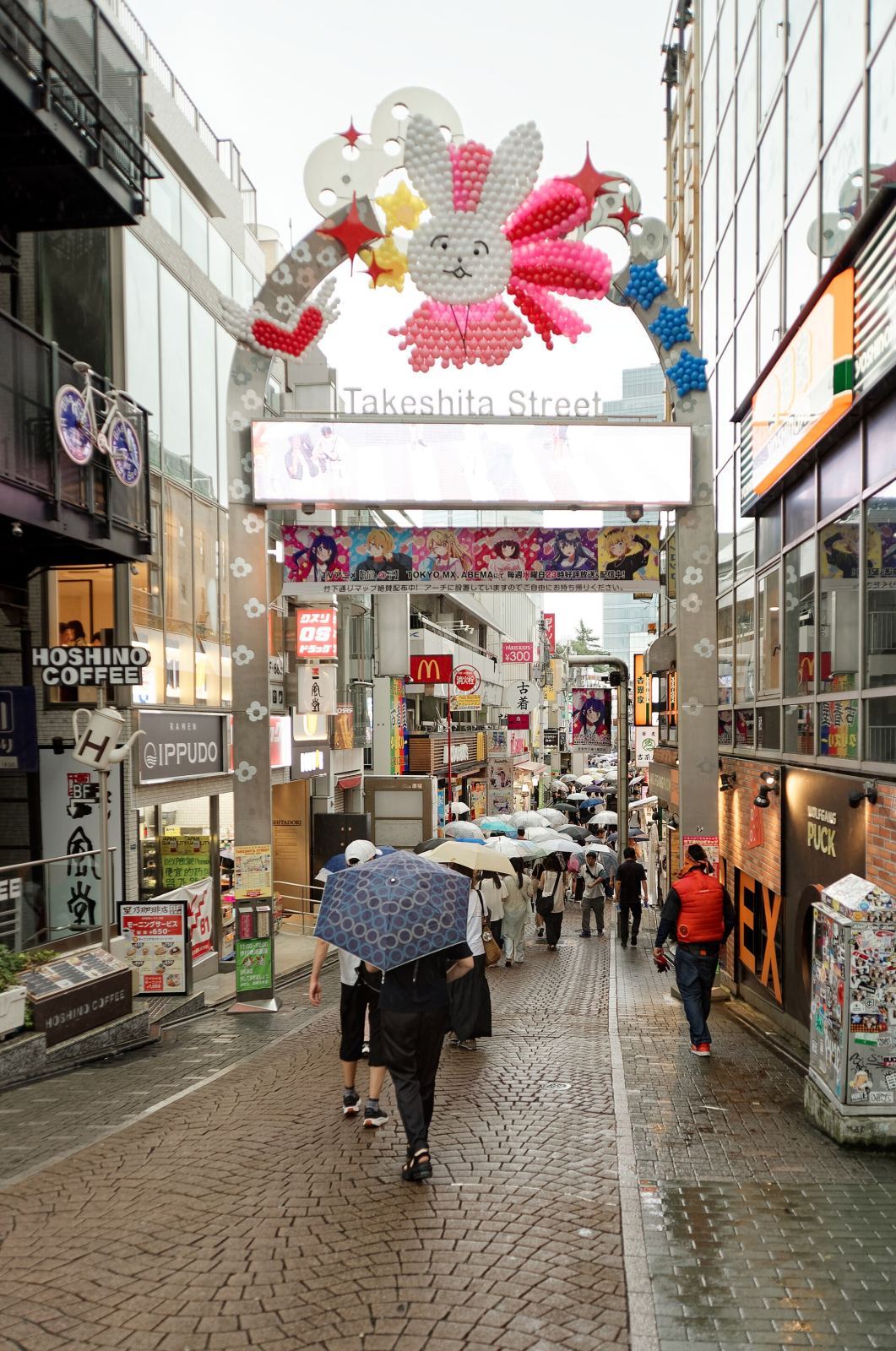
If Tokyo has one street that sums up its teenage fashion culture in a single 400-meter walk, it's Takeshita Street (Takeshita Dori) in Harajuku. It's narrow, it's loud, it's absurdly crowded on weekends, and it's exactly where Japan's kawaii aesthetic, cosplay culture, and fast-fashion trends have been born and re-born since the 1970s. You won't find temples or museums here — you'll find crepe stands, thrift shops, 100-yen stores, and teenagers dressed in styles that haven't reached the rest of the world yet. It's less a single attraction and more a full sensory experience, and it's one of the few places in Tokyo where the energy is genuinely different depending on what day and what hour you show up.
It also sits in an unusually convenient spot: directly across from Harajuku Station's main exit, meaning you can step off the Yamanote Line and be swallowed by the crowd within about thirty seconds, no bus or taxi required. That accessibility is part of why it's consistently ranked among the most-visited spots in Tokyo rather than a niche detour — it works equally well as a standalone half-day trip, a stop before or after Shibuya, or a quick detour if you're heading to Meiji Shrine and want to see the opposite end of what Tokyo has to offer.
A Brief History: From Farmland to Fashion Capital
Before it was a fashion street, this area was literally called Takeshita-cho, a quiet stretch between Harajuku Station and the surrounding neighborhood. That started to change in the 1970s, when Tokyo's fashion-obsessed youth culture migrated here from Shinjuku. The 1978 opening of Laforet Harajuku, a department store built entirely around trend-driven fashion, cemented the shift. Through the 1980s, Takeshita Street became known for takenoko-zoku — groups of teenagers who gathered to dance in flamboyant, homemade outfits, a direct precursor to the street fashion tribes the area is still known for. From 1977 to 1998, nearby roads were even closed to traffic on Sundays, drawing crowds of up to 10,000 people to watch impromptu rock and roll performances near Yoyogi Park. The pedestrian-only Sundays eventually ended, but the street's identity as the epicenter of Japanese youth fashion never did.
What You'll Actually Find Along the Street
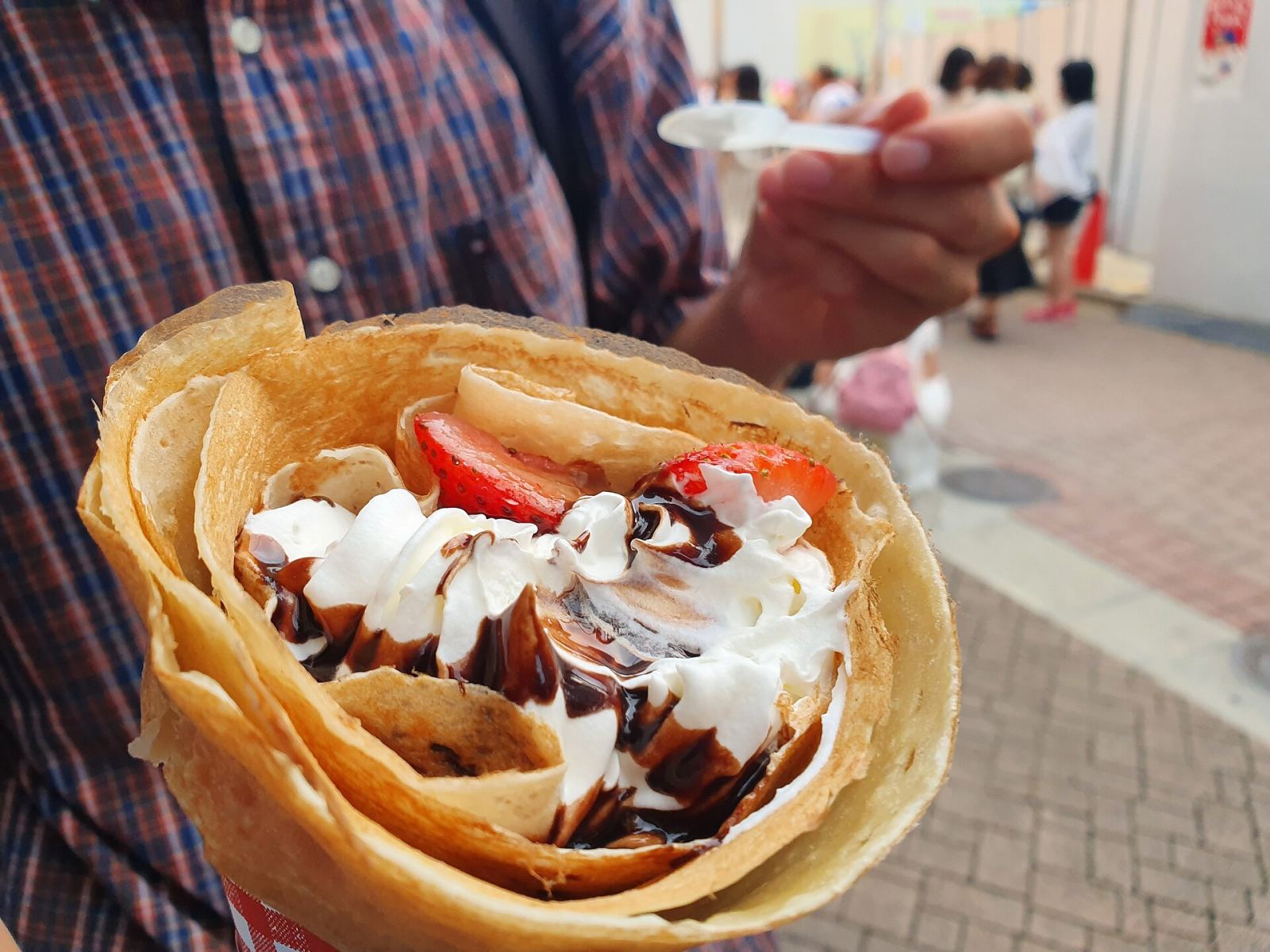
Takeshita Street itself runs only about 400 meters, narrow enough that shoulder-to-shoulder crowds are normal on weekends, but it packs in an enormous variety of shops in that short stretch. Expect fashion boutiques built around kawaii and gyaru styles, secondhand and vintage clothing stores from chains like WEGO and Spinns, purikura photo booth arcades (Japan's elaborately decorated photo-sticker booths), and a long-running Daiso 100-yen shop that, while smaller than it used to be, still sells everything from stationery to snacks at a flat price. Crepe stands are the street's unofficial signature food — thin, folded crepes stuffed with whipped cream, fruit, and chocolate, sold from small storefronts like Marion Crêpes that have been fixtures here for decades. For something stranger, the theatrical Kawaii Monster Cafe sits just off the main street, built entirely around Harajuku's maximalist aesthetic, with multi-colored interiors that lean fully into spectacle over subtlety. Most shops along Takeshita Street open around 11:00 and close by 20:00, and side streets branching off the main drag hold even more shops and cafes if you want a slightly less packed version of the same experience without leaving the neighborhood.
Best Time to Visit
Takeshita Street is open-air and technically accessible any time, but the experience changes dramatically depending on when you go.
| Time | Crowd Level | Atmosphere |
|---|---|---|
| Weekday morning (11:00–13:00) | Low-Moderate | Shops just opening, easiest time to actually walk at a normal pace |
| Weekday afternoon (14:00–18:00) | Moderate | Steady mix of tourists and students after school lets out |
| Weekend afternoon (12:00–18:00) | Very High | Wall-to-wall crowds, the classic Takeshita Street experience |
| Evening (after 19:00) | Low | Many shops closing or closed, quieter but less to actually do |
Beyond Takeshita: Omotesando and Ura-Harajuku
Takeshita Street is only one piece of the wider Harajuku area, and it's worth knowing what's around it before you plan your visit. Just south of Takeshita Street, and running more than twice its length at roughly one kilometer, is Omotesando — a broad, tree-lined avenue often nicknamed Tokyo's Champs-Élysées. Where Takeshita Street is teenage and budget-friendly, Omotesando caters to an older, wealthier crowd, lined with flagship stores from luxury brands like Louis Vuitton alongside Omotesando Hills, a striking shopping complex designed by architect Tadao Ando. Two more recent additions, Tokyu Plaza Omotesando (Omokado) and its 2024 sister building Tokyu Plaza Harajuku (Harakado), have become popular photo stops in their own right, including a mirrored entrance that's become one of the area's most Instagrammed spots. Between Takeshita Street and Omotesando, the quieter backstreets known as Ura-Harajuku ("the Harajuku backstreets") and Cat Street hold smaller independent boutiques and cafes if you want a break from the main crowds without leaving the neighborhood.
Most crepe stands and small boutiques on Takeshita Street are cash-only or prefer cash, so carry some yen even if you're using cards everywhere else in Tokyo. If crowds genuinely bother you, aim for a weekday before noon — by early afternoon on any given Saturday, the street can slow to a shuffle.
What's Nearby: Meiji Shrine and Yoyogi Park
Harajuku isn't only about shopping and street fashion. Just west of the railway tracks, reachable on foot from Harajuku Station, is Meiji Shrine (Meiji Jingu) — a Shinto shrine dedicated to Emperor Meiji, set inside a genuinely dense forest that feels far removed from the crowds a few minutes away. Entry is free and the shrine grounds are open from sunrise to sunset year-round. It shares its green space with Yoyogi Park, one of Tokyo's largest and most popular city parks for jogging, picnicking, and people-watching, especially on weekends. Pairing a walk through Meiji Shrine's forest with an afternoon on Takeshita Street is one of the most efficient ways to see two completely different sides of Tokyo — quiet tradition and maximalist youth culture — without needing to change trains.
If you're building out a full Harajuku day, it pairs naturally with a stop at Shibuya Crossing, one train stop away on the same Yamanote Line loop, or a walk south to Omotesando, Harajuku's upscale counterpart to this street. And if you're still mapping out your overall trip, our guides on how many days you need in Tokyo and traveling Tokyo on a budget are worth reading before you go.
Getting There
Take the JR Yamanote Line to Harajuku Station — it's one stop north of Shibuya and two stops south of Shinjuku, with a fare of around 160 yen from either. Takeshita Street's entrance arch is directly across from the station's main exit, so you'll see it the moment you step outside. Alternatively, Meijijingu-mae Station, served by the Tokyo Metro Chiyoda and Fukutoshin lines, is a short walk away and useful if you're coming from elsewhere on the subway network rather than the JR loop. For Omotesando specifically, Omotesando Station (Chiyoda, Ginza, and Hanzomon lines) sits at the avenue's eastern end.


