Best Sushi in Tokyo: Where to Eat From Conveyor Belts to Omakase
A first-timer's guide to eating sushi in Tokyo, from budget conveyor-belt chains to high-end omakase counters, plus etiquette tips and what to order.

How Tokyo Does Sushi
Tokyo has more Michelin-starred restaurants than any other city on Earth, and a good number of those stars go to sushi counters. But the everyday reality of eating sushi in Tokyo is far more accessible than that reputation suggests — the same city that has ¥30,000 omakase counters also has conveyor-belt chains where a plate costs about the same as a can of soda.
The trick for first-timers is knowing which kind of sushi experience actually matches what you want, since "go eat sushi in Tokyo" can mean wildly different things depending on your budget and how adventurous you're feeling.
Types of Sushi Experiences
| Type | Price Range | Best For |
|---|---|---|
| Kaiten-zushi (conveyor belt) | ¥100–¥500 per plate | First-timers, families, casual solo meals, no reservation needed |
| Standing sushi bars (tachigui) | ¥1,500–¥3,000 total | Quick, cheap, high-quality sushi eaten standing at a counter |
| Mid-range sushi-ya | ¥4,000–¥8,000 per person | A proper sit-down meal without the omakase price tag |
| Omakase counter | ¥15,000–¥40,000+ per person | A special-occasion splurge — chef's choice, course by course |
Budget-Friendly: Conveyor Belt Sushi
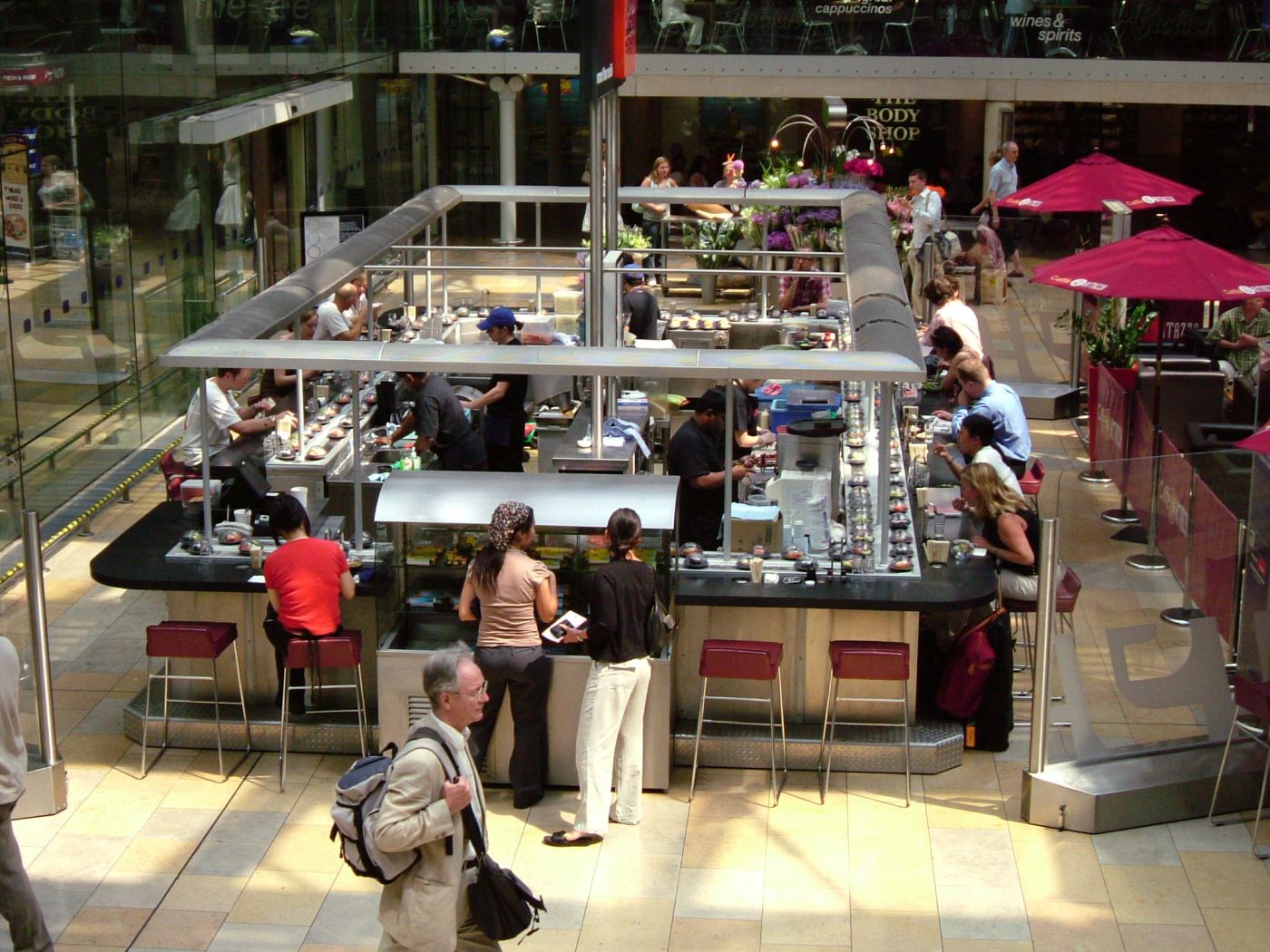
Chains like Sushiro, Kura Sushi, and Uobei are everywhere in Tokyo and consistently good — the quality-to-price ratio is genuinely one of the best deals in the city, not just a tourist compromise. Plates are colour-coded by price, sushi rotates past on a conveyor belt (or arrives on a mini bullet-train track at Uobei), and you can order extra items from a touchscreen tablet in English. Expect to spend ¥1,000–¥2,000 for a filling meal.
Most locations don't take reservations and have a line at peak meal times, but turnover is fast.
Mid-Range Sushi Counters
One step up from the conveyor belt, neighborhood sushi-ya (sushi restaurants without an omakase-only format) let you order individual pieces à la carte at a counter, often with a chef who'll make small-talk recommendations if you ask. These are common around Tsukiji Outer Market, Ginza back streets, and near most train stations, and rarely require a reservation for lunch.
Splurge: Omakase Experience
Omakase means "I'll leave it up to you" — you sit at the counter, and the chef serves a sequence of pieces based on what's freshest that day, with no menu to choose from. This is where Tokyo's reputation for sushi really shows: seasonal fish, rice held at a specific body-temperature, and often a chef with decades of training. Reservations for well-known counters can require booking weeks or months ahead, sometimes only through a hotel concierge or an existing customer's introduction — worth arranging before your trip if this is a priority.
It's fine to eat nigiri with your hands, not just chopsticks — most Japanese diners do. Dip fish-side down in soy sauce (not the rice), and try to eat each piece in one bite.