Best Wagyu Beef in Tokyo: Where to Try Japan's Most Famous Beef
A guide to eating real wagyu in Tokyo — grades explained, yakiniku vs teppanyaki vs steakhouse, and how to get a great meal without overpaying.
What Makes Wagyu Different
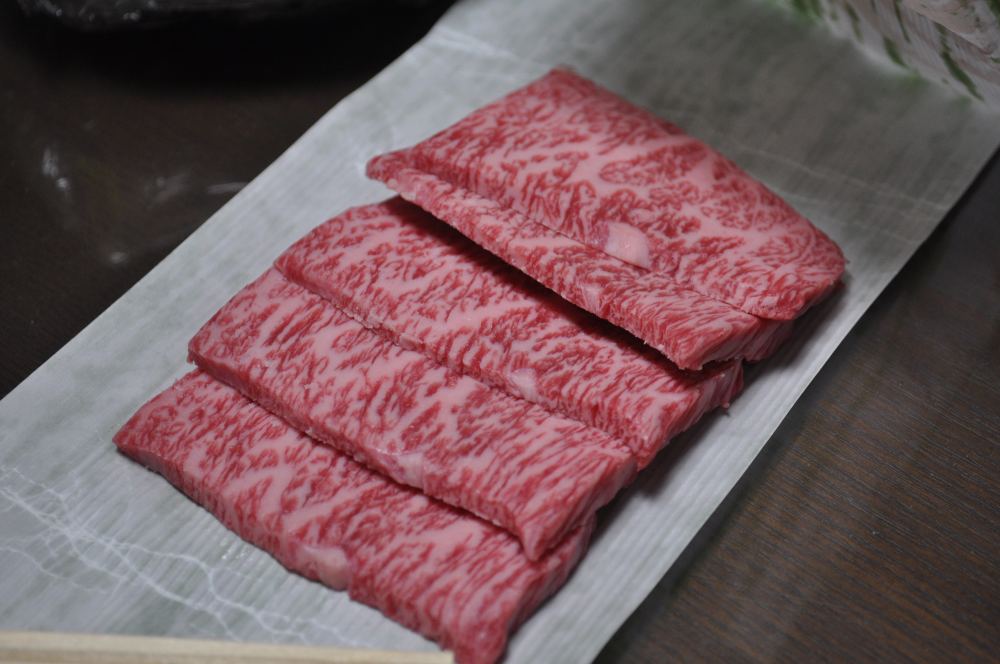
Wagyu (literally "Japanese cow") refers to specific cattle breeds prized for heavy intramuscular fat marbling, which melts at a lower temperature than regular beef fat and gives the meat its famously buttery texture. Japan grades wagyu on two scales — a yield grade (A, B, or C) and a quality grade (1 to 5) — so "A5" is the highest commonly seen grade, representing the top yield and quality combination.
Ways to Eat Wagyu
| Style | Price Range | Best For |
|---|---|---|
| Yakiniku (grill it yourself) | ¥4,000–¥10,000 per person | A social, interactive meal — you grill bite-size cuts at your own tabletop grill |
| Teppanyaki (chef grills for you) | ¥8,000–¥20,000+ per person | A more formal, theatrical meal with a chef cooking at your table |
| Steakhouse | ¥6,000–¥15,000 per person | A single well-prepared cut, Western-style presentation |
| Shabu-shabu / Sukiyaki | ¥5,000–¥12,000 per person | Thin-sliced wagyu swished through hot broth — lighter and less rich than grilling |

Where to Find It: Ginza and Shinjuku
Ginza has the highest concentration of upscale wagyu restaurants, from long-established teppanyaki counters to newer omakase-style grill experiences, while Shinjuku offers a wider range of yakiniku spots at friendlier prices, many open late. Neither neighborhood requires advance planning for casual yakiniku, but the higher-end teppanyaki and omakase-style grill counters often do.
Lunch sets at high-end wagyu restaurants are often 40-60% cheaper than the same menu at dinner, for a very similar quality of meat — a good way to try a well-known restaurant without the full dinner price tag.