Bobotie: The History Behind Cape Town's Spiced Meat Bake
The Cape Malay origins of bobotie, what makes it distinct, and how it's traditionally served.
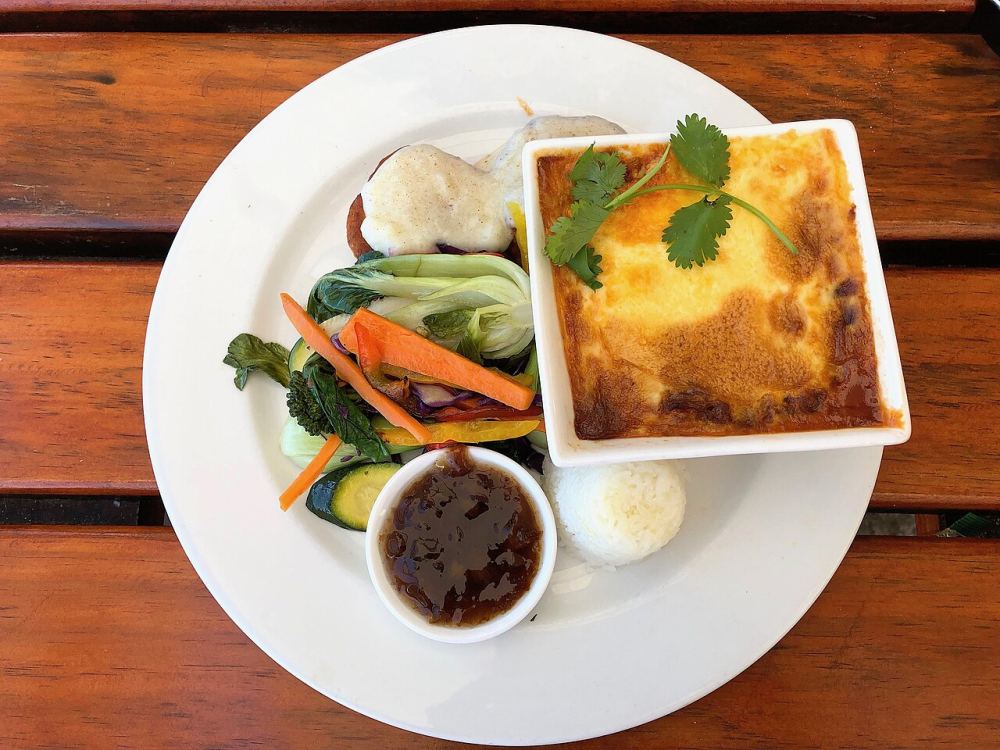
Bobotie: A Cape Malay Classic
Bobotie is a baked dish of spiced minced meat (traditionally beef or lamb) mixed with dried fruit and curry spices, topped with a savory egg-based custard that sets into a smooth layer as it bakes. It has roots in Cape Malay cuisine, brought to the Cape by enslaved and indentured people from Southeast Asia and the Indian Ocean region during the Dutch colonial period, and it remains one of South Africa's most iconic home-cooked dishes.
What Makes It Distinct
| Element | Role |
|---|---|
| Spiced minced meat | Seasoned with curry powder, turmeric, and often chutney, giving it a mild, complex flavor |
| Dried fruit | Raisins or sultanas mixed into the meat, adding sweetness |
| Egg custard topping | A savory, smooth layer baked on top, similar in texture to a quiche topping |
| Bay leaves | Often placed decoratively on top before baking, a traditional presentation touch |
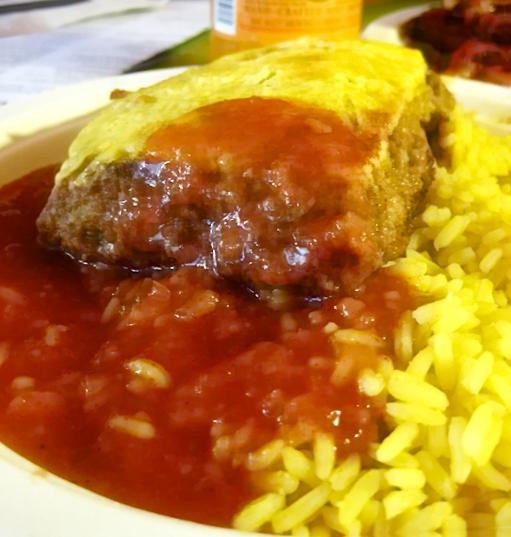
How It's Served
Bobotie is traditionally served with yellow rice (often studded with raisins) and a fruit-based chutney (blatjang) on the side, along with sliced banana in some households — a combination that balances the dish's savory-sweet profile. It's a home-cooking staple as much as a restaurant dish, and many Cape Town restaurants serve their own version alongside more Cape Malay-focused menus.
Bobotie is mildly spiced rather than hot — the curry powder and dried fruit create a gentle, warming flavor profile rather than anything chili-forward.