Bo-Kaap: The Story Behind Cape Town's Colorful Streets
Turquoise, pink, and saffron houses on the slopes of Signal Hill — and the history of freedom, faith, and forced removal behind the color.

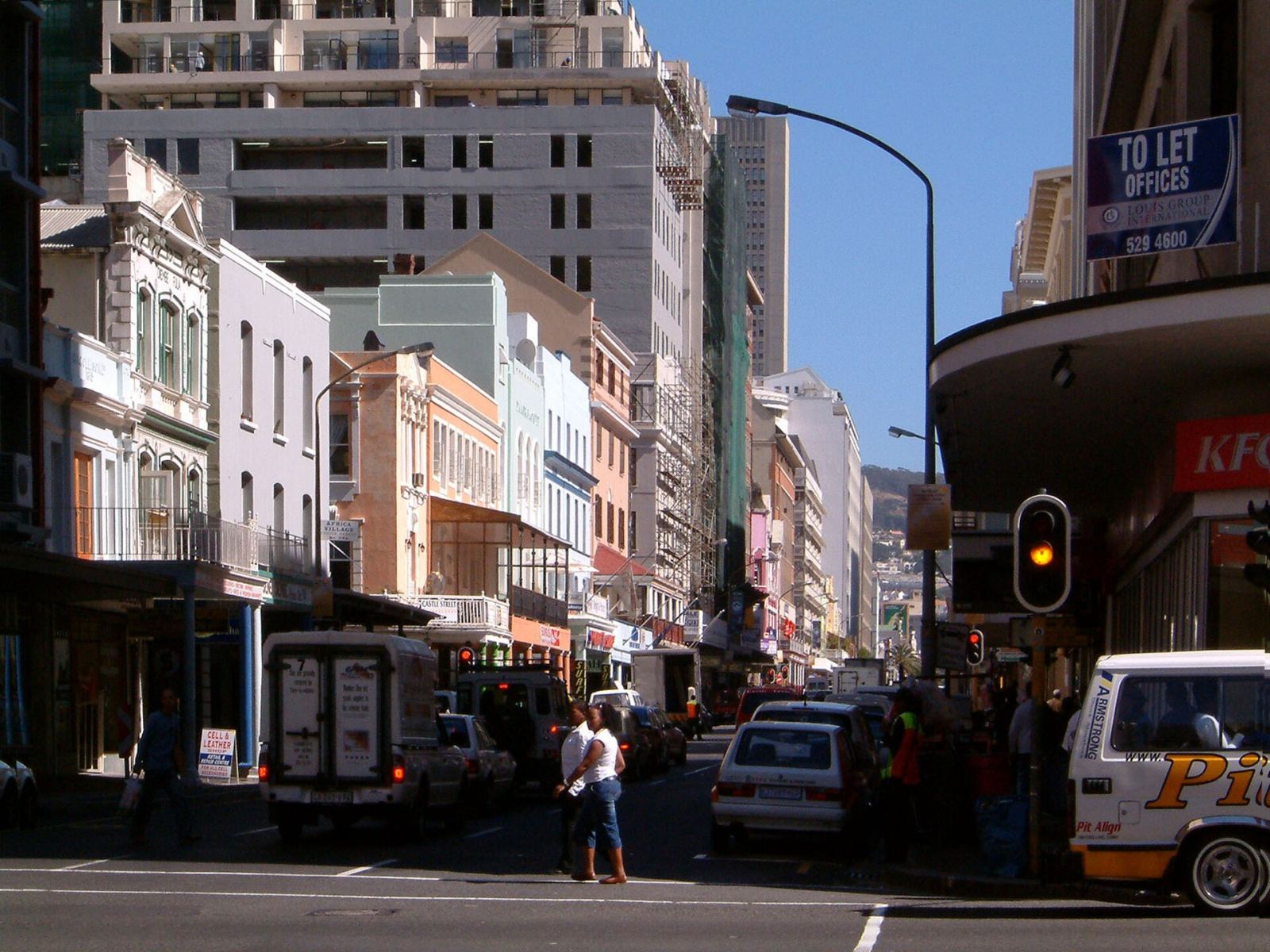
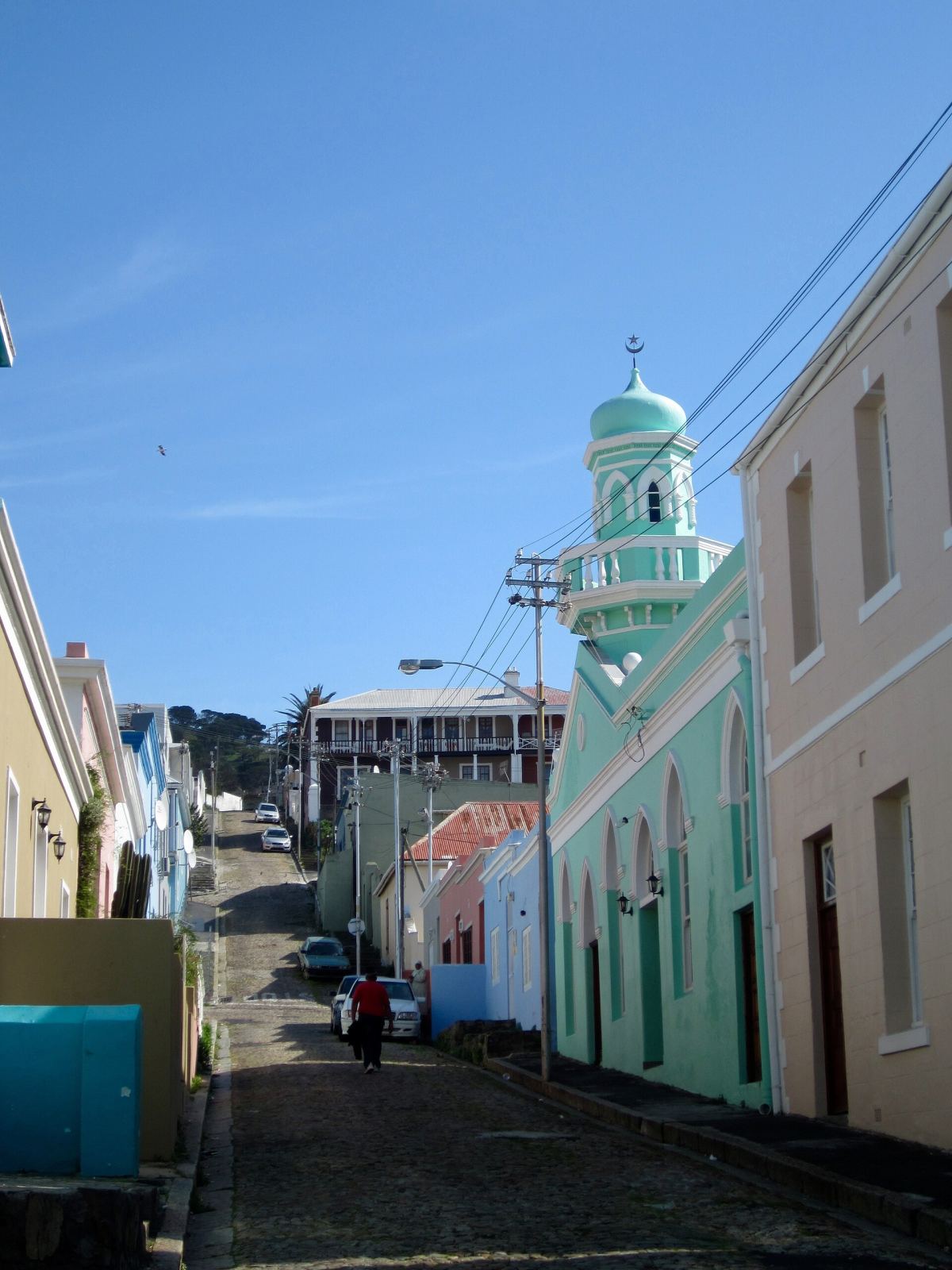
Bo-Kaap sits on the lower slopes of Signal Hill, right at the edge of Cape Town's city center, and it's one of the most photographed neighborhoods in South Africa for a simple reason — nearly every house along its steep, cobbled streets is painted a different, saturated color, turquoise next to pink next to mustard yellow next to lime green. It's a striking sight from any angle, but the colors are only the surface of a much deeper story about slavery, faith, forced removal, and a community that has fought hard to remain in place while the city around it has transformed.
The neighborhood's history begins in 1760, when Dutch colonist Jan de Waal built a row of small rental houses on the slope and leased them out, mostly to enslaved and indentured people brought to the Cape from what is now Indonesia, Malaysia, and other parts of the Dutch East Indies. Over generations these communities, practicing Islam and developing their own Afrikaans-inflected dialect, became known as Cape Malay, and Bo-Kaap grew into the spiritual and cultural heart of Cape Muslim life in the city, home to some of the oldest mosques in South Africa.
The famous colors have a specific, and fairly recent, origin story. While the original houses were still rented, tenants were required to keep them painted white, in keeping with the plain Cape Dutch style of the period. When slavery was abolished and residents were eventually able to buy the homes they had long lived in, many chose to paint them in bright, individual colors — widely understood as a visible expression of the freedom and identity that ownership represented. Under apartheid's 1950 Group Areas Act, Bo-Kaap was formally designated a 'coloured' and Malay area, and non-Muslim and non-Malay residents were forcibly removed, hardening the neighborhood's identity even as the policy behind it inflicted real harm.
Walking Bo-Kaap today means wandering a compact grid of steep, cobblestoned streets — Wale Street and Chiappini Street are the two most photographed — lined with these small, single-story terraced houses, most still lived in by residents rather than converted entirely to tourist use. Look past the paint and you'll notice genuine Cape Dutch and Cape Georgian architectural details: shuttered windows, ornate gables, and wrought-iron balconies, some dating back over two centuries. The neighborhood is also home to several of the country's oldest mosques, including the Auwal Mosque, established in 1794 and recognized as South Africa's first.
| Time | Atmosphere | Best For |
|---|---|---|
| Early morning (7-9am) | Quiet streets, soft light, few tourists | Photography without crowds |
| Midday | Busiest with tour groups and buses | Guided walking tours, museum visits |
| Late afternoon | Golden light on the house facades | A relaxed, photogenic walk |
| Friday midday | Mosques active for weekly prayers | Observing (respectfully) community life |
The Bo-Kaap Museum, housed in one of the earliest surviving Dutch-built homes in the area, is the best starting point for understanding the neighborhood beyond its color palette. Inside, a furnished 19th-century Cape Muslim household is preserved much as it would have looked, alongside exhibits on the slave trade, Islamic scholarship at the Cape, and the community's long resistance to forced removal. It's a small museum, but it does a genuinely good job of grounding the visually striking streets outside in the history that actually produced them.
Bo-Kaap is home to real residents, not a themed backdrop, and its popularity with photographers has become a genuine point of tension locally. Avoid photographing people or entering private stoops and gardens without asking, and consider joining a local or Cape Malay-led walking tour, which typically routes revenue directly back into the community rather than past it.
Food is one of the best reasons to linger. Several Cape Malay cooking schools and home-based eateries in Bo-Kaap offer hands-on classes or sit-down meals featuring dishes like bobotie, denningvleis, and koeksisters — the syrup-soaked plaited doughnuts sold fresh and warm from small stalls in the early morning. Because much of this food culture developed inside home kitchens passed down through generations rather than in restaurants, a cooking class or home-hosted meal is often a more genuine introduction to Cape Malay cuisine than eating at a standard restaurant elsewhere in the city.
Bo-Kaap is a five- to ten-minute walk from the CBD's main shopping streets, or a short Uber ride from the V&A Waterfront, making it easy to fold into a longer day of city-center sightseeing rather than requiring a dedicated trip. Because the streets are steep and cobbled, comfortable flat shoes are worth prioritizing over anything else, and given the neighborhood's modest size, most visitors find that ninety minutes to two hours, including a museum stop, is enough to see it properly without rushing.
Signal Hill itself, rising directly behind Bo-Kaap, is worth knowing about even if you don't plan to hike it — a noon gun has been fired from its slopes daily except Sundays since the 1800s, originally to give ships in the harbor an accurate time signal, and the tradition continues purely as civic ritual today. The sound carries clearly down into Bo-Kaap's streets, and more than a few first-time visitors are startled by it if they haven't been warned in advance.