Long Street: Cape Town's Nightlife and Backpacker Strip, Explained
From Victorian antique shops by day to rooftop bars and clubs by night — the street once nicknamed South Africa's San Francisco.
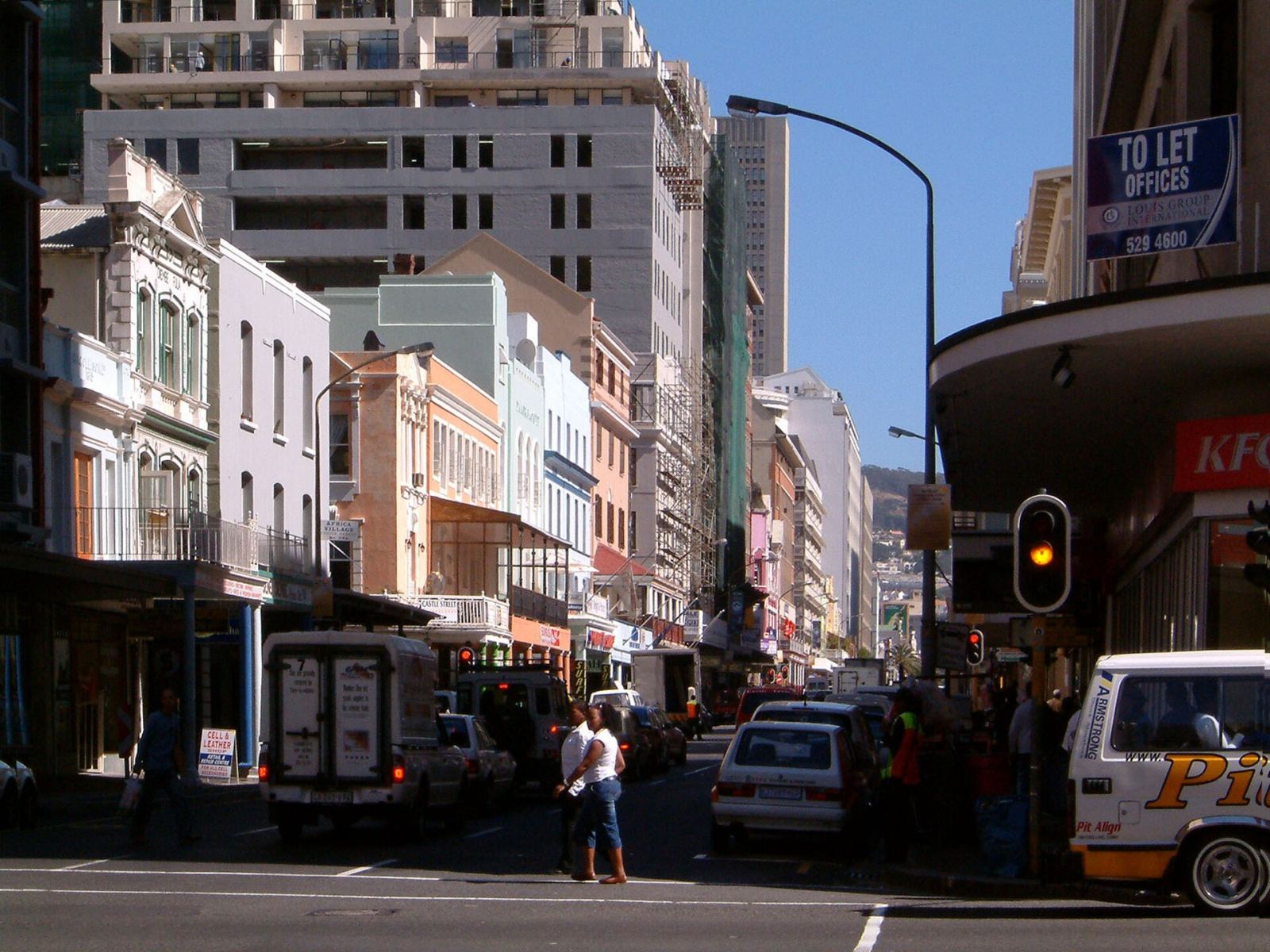
Long Street cuts straight through the heart of Cape Town's city center, running from near the Cape Town Convention Centre down to where it meets Kloof Street, and it has functioned as one of the city's central social arteries since the 1800s. By day it's a mixed strip of Victorian-era buildings, secondhand bookshops, backpacker hostels, and outdoor gear stores; by night, especially on weekends, it transforms into the Mother City's busiest concentration of bars, clubs, and late-night restaurants, drawing a mix of tourists, students, and locals out for a night that can run well past dawn.
The street's layered character isn't accidental — it reflects more than 150 years of continuous reinvention. During the 1960s and early 1970s, Long Street became a hub for Cape Town's bohemian, anti-apartheid counterculture, drawing the kind of nickname reserved for genuinely countercultural places at the time: locals called it 'the San Francisco of South Africa.' Many of the elaborately detailed Victorian buildings that still line the street today, with their cast-iron balconies and ornate facades, date from that earlier commercial boom and have simply been repurposed generation after generation, from trading stores to boutiques to the bars and hostels that occupy them now.
During the day, Long Street rewards slower exploration. Mabu Vinyl, a used record and media shop made internationally famous by its appearance in the Oscar-winning documentary 'Searching for Sugar Man,' is still stocked with vinyl, books, and cassettes and worth a browse even if you're not buying. Elsewhere along the strip, outdoor outfitters cater to hikers headed up Table Mountain, secondhand bookshops spill paperbacks onto sidewalk tables, and a scattering of curio stalls sell African crafts and textiles, giving the street a genuinely different personality in daylight than it has after dark.
| Time | Atmosphere | Best For |
|---|---|---|
| Late morning | Quiet, shops opening, few crowds | Browsing bookshops and outdoor gear stores |
| Late afternoon | Bars beginning to fill, relaxed pace | A first drink and people-watching |
| 10pm-2am (weekends) | Peak nightlife, loud and crowded | Bar and club hopping |
| 3am-4am | Clubs winding down, street quieting | Heading home rather than arriving |
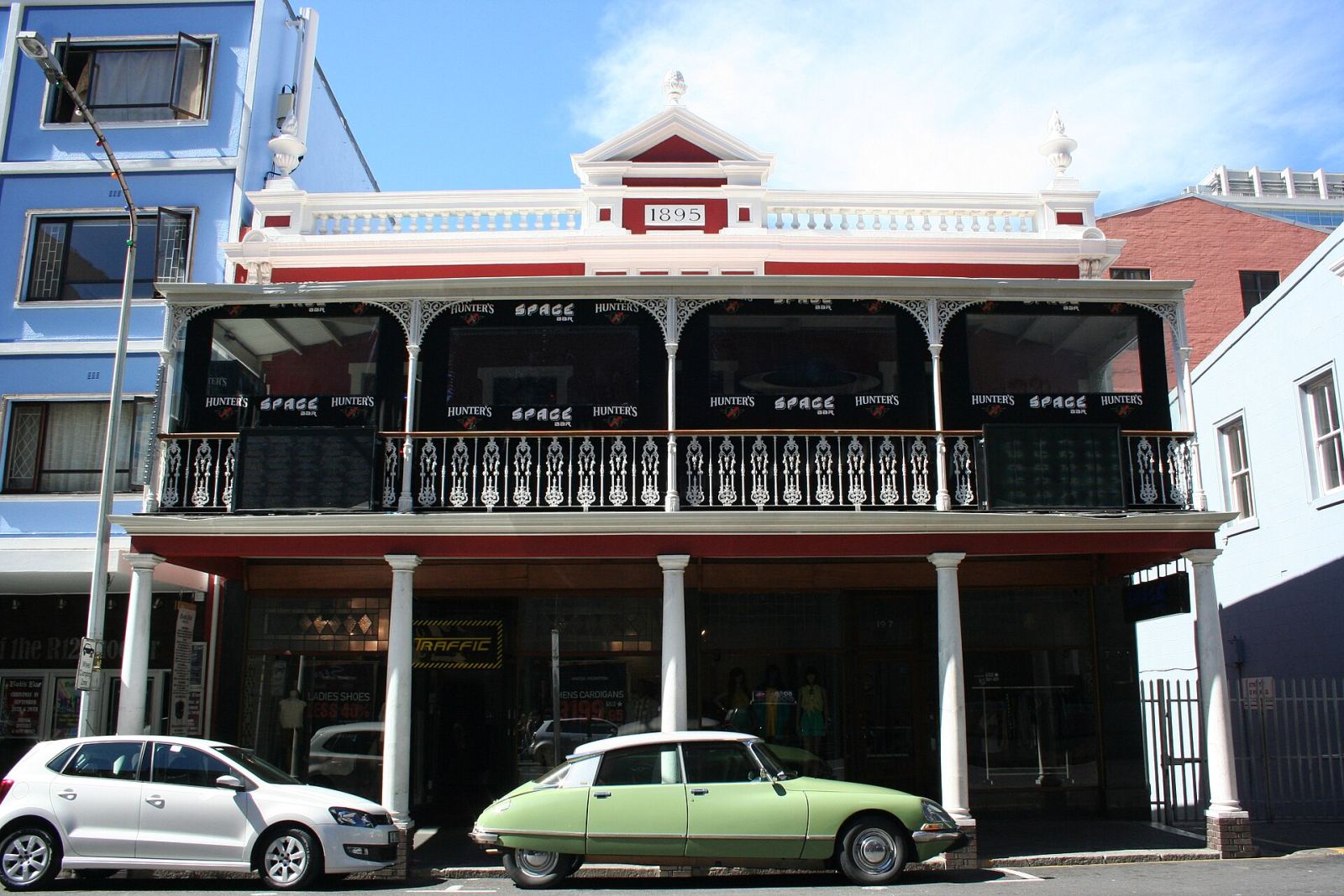
Nightlife is really what Long Street is best known for today, and the range is broad enough to suit very different moods on the same block — rooftop cocktail bars with skyline views, straightforward pubs built around big-screen sports, late-night live music venues, and dedicated dance clubs that don't get going until well after 11pm and often run until 3 or 4am on weekends. Dining options span a similarly wide range, from casual African cuisine and pizza places catering to the backpacker crowd to a handful of more polished restaurants tucked between the bars, so it's entirely possible to eat well before the nightlife properly kicks off.
Long Street is generally well policed and busy enough to feel safe while it's crowded, but petty theft and occasional muggings do happen, particularly in the early hours as crowds thin. Use Uber or Bolt rather than hailing a taxi off the street, and arrange to meet your ride at a well-lit, visible corner rather than in the middle of a moving crowd.
Long Street also sits close enough to several other central attractions that it works well as one stop on a longer city-center day rather than a destination in isolation. The Company's Garden and South African Parliament are a short walk to the east, Greenmarket Square's antique and craft stalls are a few blocks over, and the street itself flows directly into Kloof Street at its southern end, making a Long Street evening a natural extension of a Kloof Street afternoon rather than a separate outing entirely.
Long Street is centrally located and easily reached on foot from most city-center accommodation, or by a short taxi or rideshare ride from the V&A Waterfront and surrounding hotel districts. There's no dedicated parking along the street itself, and traffic during peak evening hours can be heavy, so most visitors staying elsewhere in the city choose to walk in or take a short rideshare rather than drive and search for parking.
Accommodation along Long Street itself leans heavily toward backpacker hostels and budget guesthouses, many occupying the upper floors of the same Victorian buildings that house bars and shops at street level, which makes the street a genuinely convenient base for younger and budget-conscious travelers who want to be within stumbling distance of the nightlife. Visitors prioritizing quiet sleep, however, should be aware that rooms directly above or near the busiest bars can stay noisy well past midnight on weekends, and it's worth asking specifically about a room's position before booking if a full night's sleep matters more than proximity.
Long Street's street markets add another layer worth budgeting time for, with vendors setting up stalls of African textiles, beadwork, and carved curios along stretches of the sidewalk, particularly during the day when foot traffic is heaviest. Prices are rarely fixed, and polite haggling is generally expected and welcomed rather than seen as rude, which makes the markets a reasonably low-stakes way to practice the kind of bargaining that's more common at larger markets elsewhere in the city.
Live music is another thread running through the street that's easy to miss if you only think of Long Street in terms of clubs. Several bars host regular jazz, blues, or acoustic sets earlier in the evening, well before the louder club scene takes over past midnight, and these earlier sets tend to draw a noticeably calmer, more local crowd than the later hours.


