Brickfields: Kuala Lumpur's Little India, Explained
From a 19th-century brickyard to Malaysia's oldest Indian enclave — the history behind KL's most colorful district.
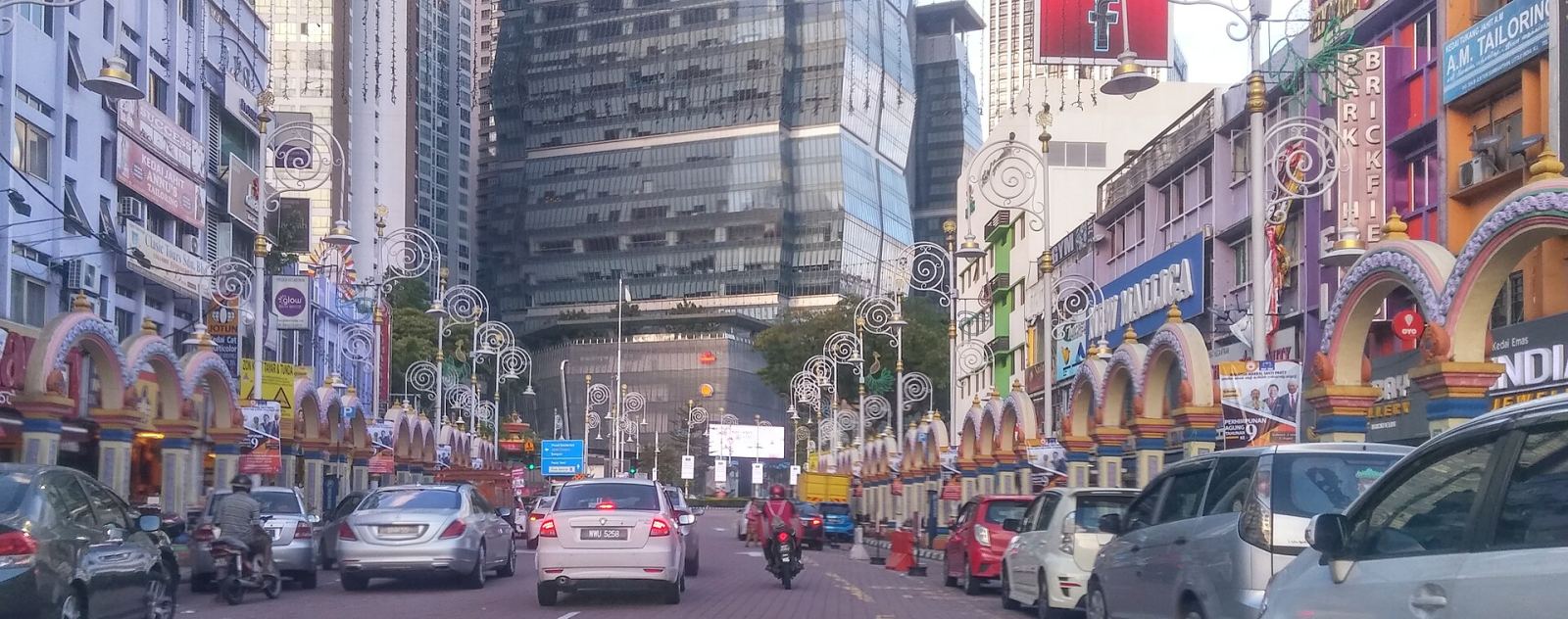
Brickfields carries an unusually literal name for a Kuala Lumpur neighborhood, one that surprises most visitors once they learn it, for a Kuala Lumpur neighborhood — it really was, once, a field full of brick kilns — and it has since become home to Malaysia's largest and oldest Indian, Sri Lankan, and Bangladeshi community enclave, officially recognized since 2009 as "Little India Kuala Lumpur." Ornate archways painted in bright yellows and reds now mark its main streets, a deliberate architectural statement layered on top of the neighborhood's much older, more practical industrial origins.
The area's story starts with disaster. A major flood in the late 19th century, followed by a devastating fire in the 1880s, destroyed much of early Kuala Lumpur's wooden construction, and the colonial administration decided the rebuilt city would use brick and tile instead. Businessman Yap Ah Loy set up an enormous brickyard here to supply that reconstruction, transforming the area into what was literally a giant clay field for over a century of Kuala Lumpur's construction needs. Around the same period, Indian laborers brought to Malaysia under British colonial rule began settling in Brickfields, and their community put down roots that have now held for more than a century, making it one of the longest-continuously-settled ethnic enclaves anywhere in the country.
Today's Brickfields mixes genuine heritage with deliberate placemaking — the colorful arches, street lamps, and public art installed after the 2009 "Little India" designation sit alongside much older temples, sari shops, and banana-leaf restaurants that have operated for generations. It's a working neighborhood rather than a purely curated tourist district, home to a real cross-section of the city's South Asian diaspora, and its streets fill with an especially festive energy during Deepavali (Diwali) and Thaipusam, two of the Hindu festivals the area celebrates with particular intensity.
| Time | Atmosphere | Best For |
|---|---|---|
| Daytime | Steady foot traffic, shops and restaurants open | Shopping for saris, spices, and jewelry |
| Evening | Busiest, restaurants filling up for dinner | Banana-leaf meals and the neighborhood's full atmosphere |
| Deepavali (Diwali) | Extremely festive, elaborate decorations and lights | Experiencing the community's biggest celebration |
| Thaipusam | Processions and religious observances throughout the area | A more solemn, spiritually significant visit |
Sri Lankan and Bangladeshi communities have their own distinct presence within Brickfields as well, adding further layers to what's often shorthanded simply as "Little India" — restaurants, grocers, and community associations serving these specific groups sit alongside the more numerous Indian-focused businesses, making the neighborhood's South Asian character considerably more varied than the single label suggests.
Music and religious life are woven tightly together in Brickfields' public spaces — devotional music drifts from open temple doors at various points through the day, and the sound of it, mixed with vendors calling out prices and Tamil, Malayalam, and Hindi conversation on the street, gives the neighborhood an unmistakable sonic identity distinct from anywhere else in Kuala Lumpur. It's worth simply standing still for a few minutes on one of the main streets to take that in, rather than moving briskly from shop to shop.
Brickfields is one of the best places in Kuala Lumpur for a traditional South Indian banana-leaf meal — rice and a rotating selection of vegetable and meat curries served directly on a banana leaf, eaten by hand. It's a genuinely communal, unhurried way to eat and one of the neighborhood's signature experiences.
The neighborhood's brickmaking past has left almost no physical trace today — no preserved kiln, no industrial museum marking where the clay pits once sat — which makes Brickfields an interesting case of a place whose name long outlived the industry that created it. What replaced that industrial identity, the Indian community that settled here over the following century, has proven considerably more durable, shaping the neighborhood's character so thoroughly that most visitors today have never heard the brickmaking origin story at all.
Beyond the main commercial strip, Brickfields is also home to several significant Hindu, Buddhist, and Sikh religious sites reflecting the neighborhood's layered South Asian heritage, along with KL Sentral, the city's primary transit hub, sitting right at its edge. That transit connection means Brickfields often gets treated as a pass-through neighborhood by travelers rushing between the airport and the city center — a mistake, given how much of Kuala Lumpur's living cultural history is concentrated in these few blocks.
Brickfields sits right next to KL Sentral, making it an easy stop before or after transiting through the city's main transport hub. For more of the city's diverse food and shopping scene, see Petaling Street and Central Market, KL's Chinatown equivalent, and Best Malaysian Street Food to Try in KL for dishes you'll find well-represented in Brickfields specifically.
Brickfields is served directly by KL Sentral station, Kuala Lumpur's largest transit interchange, connecting KTM, LRT, MRT, monorail, and the KLIA Express airport train — making Brickfields arguably the single most transit-accessible neighborhood in the entire city. From KL Sentral, the heart of Little India is a five-to-ten-minute walk, with the ornate archways marking the transition clearly visible from the station's main exits.
Frequently Asked Questions
Gold and jewelry shops cluster particularly densely along a few of Brickfields' main streets, a reflection of the significance gold holds within South Asian wedding and festival traditions, and window-shopping past the elaborate displays is a genuinely enjoyable activity even without any intention to buy. Textile shops selling saris and other traditional garments sit alongside them, together forming one of the most concentrated and specific shopping experiences anywhere in Kuala Lumpur.