Kampung Baru: The Traditional Malay Village Inside Kuala Lumpur's Skyline
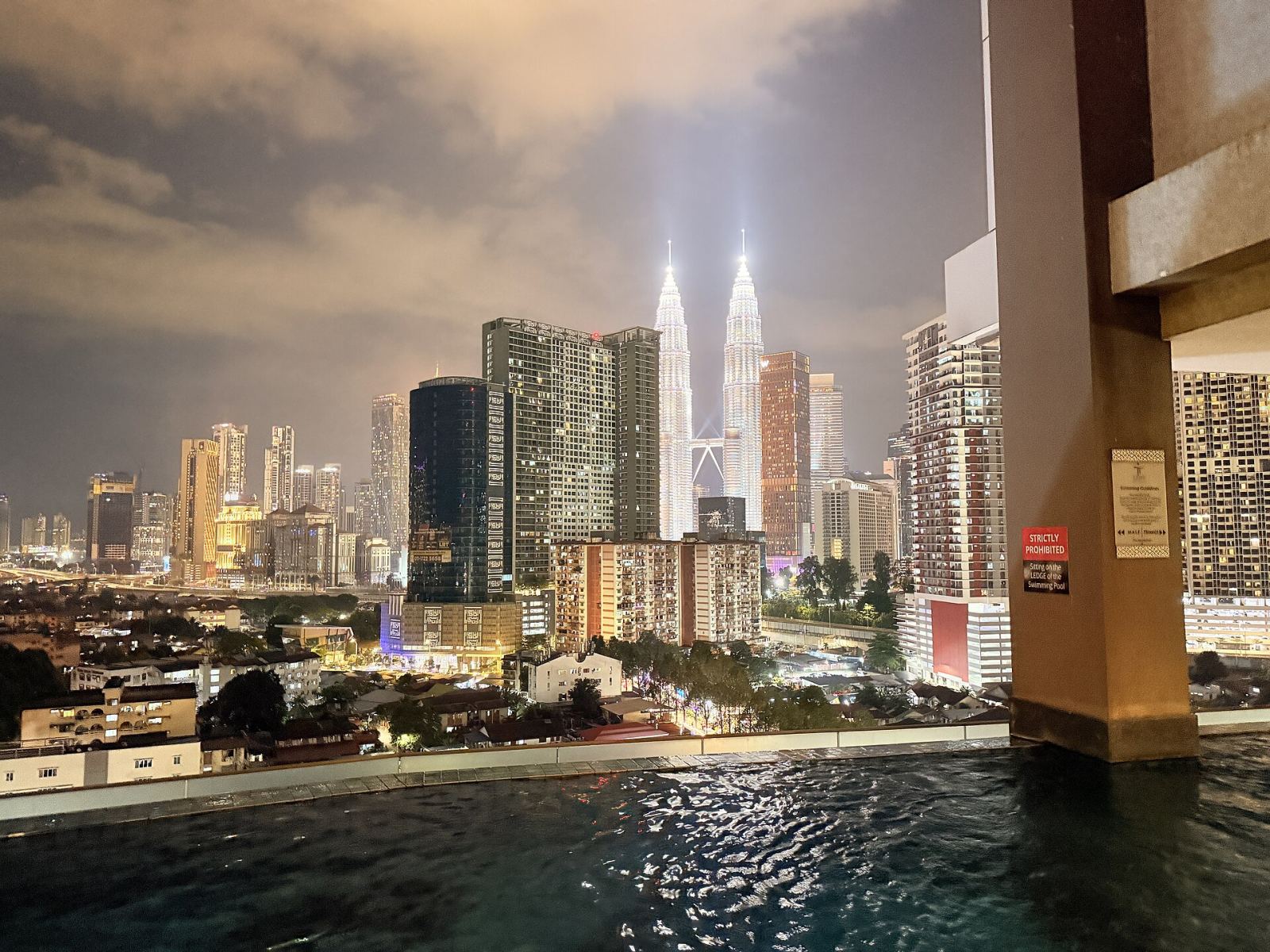
Wooden stilt houses standing in the shadow of the Petronas Towers — a protected 19th-century settlement that modern KL grew up around instead of over.

Kampung Baru is, without much competition, the single most striking visual contradiction in Kuala Lumpur: a traditional Malay village of wooden stilt houses, tin roofs, and unpaved lanes sitting directly across the road from the Petronas Twin Towers, one of the tallest buildings on Earth. It's a genuinely protected settlement rather than a recreated heritage attraction, meaning the houses, mosques, and modest home businesses here are real, lived-in, and — for now — legally shielded from the redevelopment that has transformed almost every other square kilometer of central Kuala Lumpur.
The village was established in 1899 by the British colonial administration as a Malay Agricultural Settlement, formally gazetted on January 12, 1900. The original plan was agricultural — the land was meant for farming — but it turned out unsuitable for paddy cultivation, and the settlement pivoted instead to residential use, growing into the seven distinct villages (Kampung Hujung Pasir, Kampung Masjid, Kampung Paya, Kampung Periuk, Kampung Pindah, and Kampung Atas 'A' and 'B') that still structure the neighborhood's internal geography today, spread across roughly 225 acres.
What has kept Kampung Baru intact while skyscrapers rose around it on every side is a specific legal protection: most of the land is held under Malay reserve status, which restricts sale to non-Malays and has significantly slowed the kind of large-scale redevelopment that would otherwise have almost certainly consumed this valuable, centrally located real estate decades ago. The result is a neighborhood frozen in a very particular way — not preserved as a museum piece, but genuinely still functioning as a residential village, complete with home-based food stalls, small mosques, and the wooden stilt-house architecture that has otherwise all but disappeared from the rest of the city center.
| Time | Atmosphere | Best For |
|---|---|---|
| Daytime | Quiet, residential pace, some shops and stalls open | Photography of the wooden houses against the skyline |
| Weekend evenings | Kampung Baru Night Market in full swing | Street food and a livelier local atmosphere |
| Friday (prayer times) | Quieter as residents attend local mosques | A more subdued, contemplative visit |
| Sunset | Excellent light for photographing the village-skyline contrast | The single best photo opportunity in the neighborhood |
Some homeowners in Kampung Baru have converted parts of their properties into small guesthouses or home-based businesses, a modest but telling adaptation that lets residents benefit economically from the neighborhood's growing tourist interest without selling the land outright — a middle path between total preservation and the wholesale redevelopment the reserve status was designed to prevent. It's a pragmatic compromise that has let the village adapt to modern tourism pressure without abandoning the legal protections that kept it standing in the first place.
Many of the wooden houses still standing in Kampung Baru are genuinely old — decades-old family homes passed down through generations rather than replicas or restorations — and their construction techniques, raised on stilts with steep tin roofs suited to Malaysia's heavy monsoon rains, represent a building tradition that has almost entirely vanished from the rest of urban Kuala Lumpur. Walking the narrow lanes between them, with laundry hanging from balconies and small home-front shops selling snacks, offers a texture of daily life that no museum reconstruction could convincingly replicate.
Kampung Baru is home to actual residents living in a protected traditional settlement, not a recreated attraction — visit with the same courtesy you'd extend to any residential neighborhood, keeping noise down and asking before photographing people or their homes directly.
The neighborhood's protected status has made it a genuinely contested piece of Kuala Lumpur real estate, with periodic redevelopment proposals surfacing over the decades, each meeting resistance from residents and Malay heritage advocates who argue the village's cultural value outweighs its potential as prime commercial land. That tension is very much alive today, and it's part of what makes visiting Kampung Baru feel different from visiting a settled, uncontested heritage site — this is a living argument about the city's future playing out in real time, not a resolved chapter of its past.
The Kampung Baru Night Market, held on weekend evenings, is the neighborhood's best-known food destination, drawing both residents and visitors for nasi lemak, satay, roti canai, and other Malay staples cooked by families who have often been running the same stalls for generations. Dewan Sultan Sulaiman, a historical hall showcasing traditional Malay architecture, and the striking Masjid Jamek Kampung Baru mosque both offer glimpses of the neighborhood's built heritage beyond the residential houses themselves.
Kampung Baru sits directly across from the district covered in the Petronas Towers guide, making the contrast between the two an easy and genuinely striking combined visit. For Malay food specifically, our guide to Best Malaysian Street Food to Try in KL covers several dishes well represented at the Kampung Baru Night Market.
Kampung Baru has its own LRT station on the Kelana Jaya Line, putting it directly on Kuala Lumpur's rail network despite its village character. From KLCC (the station serving the Petronas Towers), it's just one stop away, making the jarring transition from ultra-modern skyscraper district to traditional Malay village one of the shortest and most dramatic transit rides in the city.
Frequently Asked Questions
Visiting Kampung Baru is, for a lot of travelers, the closest available experience to what pre-skyscraper Kuala Lumpur actually looked and felt like — narrow lanes rather than boulevards, single-story wooden homes rather than towers, and a pace of life set by prayer times and market schedules rather than office hours. It's a genuinely rare thing to find intact at this scale in a major Southeast Asian capital, which is exactly why its long-term survival remains such an open question.