Ceylon Tea: What Makes Sri Lanka's Tea Distinct
Why elevation matters for Ceylon tea, the difference between growing regions, and where to drink and buy it in Colombo.

Ceylon Tea: Sri Lanka's Most Famous Export
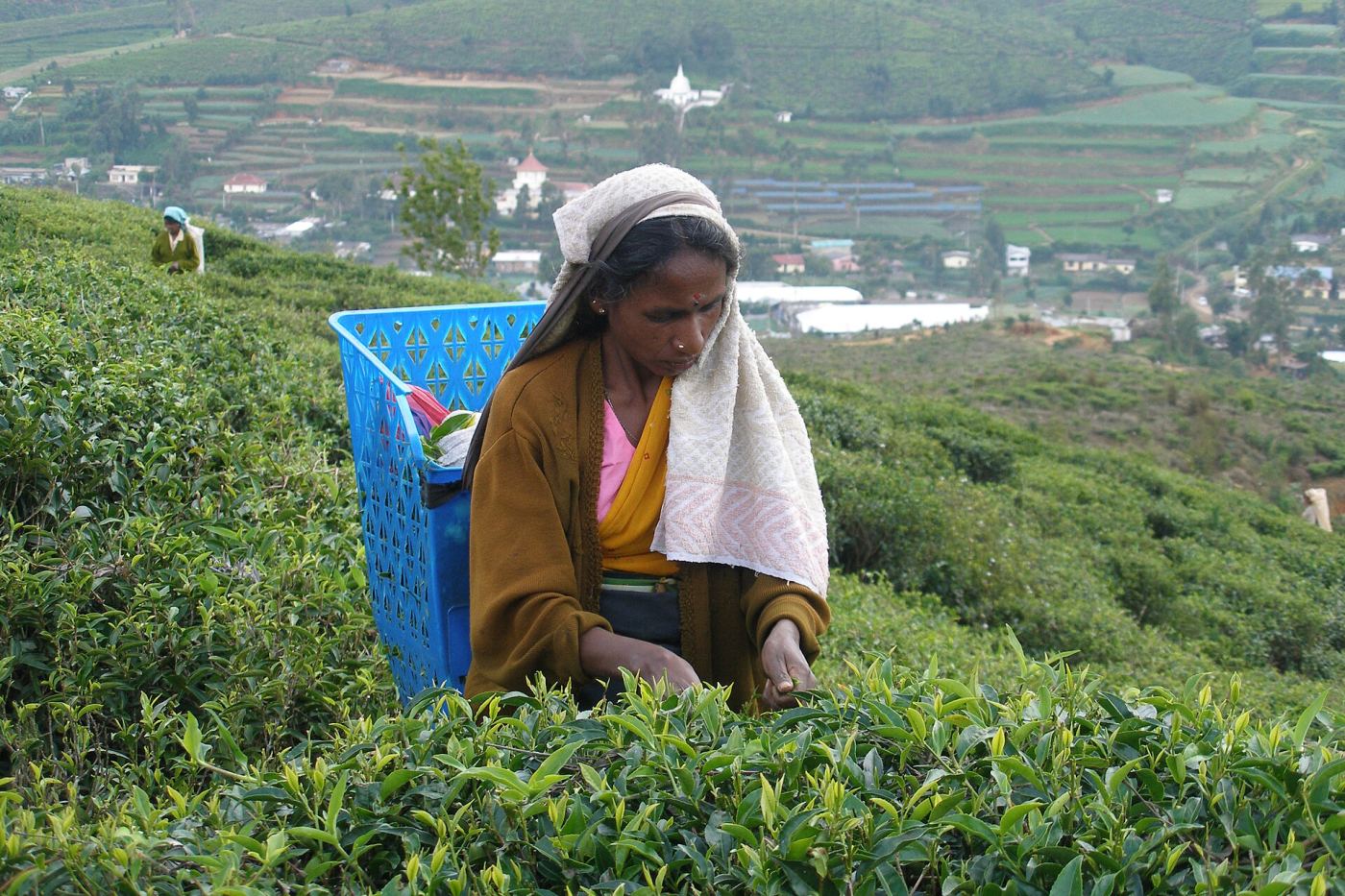
Ceylon tea — grown across Sri Lanka's central highlands, particularly around Nuwara Eliya, Kandy, and Ella — has been one of the country's defining exports since the British established plantations here in the 19th century after a coffee blight wiped out the island's coffee industry. "Ceylon" refers to the country's former colonial name, still used as the internationally recognized branding for tea grown here.
Why the Region Matters
Elevation plays a major role in Ceylon tea's character — high-grown tea from Nuwara Eliya (over 1,800 meters) tends to be lighter and more delicate, while lower-elevation tea from areas closer to the coast is often stronger and more full-bodied. This variation by growing region is a genuine point of distinction for tea enthusiasts, similar to how wine varies by vineyard.
| Region | Elevation | Character |
|---|---|---|
| Nuwara Eliya | High-grown (1,800m+) | Light, delicate, floral |
| Kandy | Mid-grown | Balanced, medium body |
| Ella / Uva | Mixed elevation | Distinctive, slightly astringent |
| Low country (e.g. Ratnapura) | Low-grown | Strong, full-bodied |
Drinking It in Colombo
While the tea itself is grown in the highlands, Colombo is where most visitors actually drink and buy it — tea shops and cafes throughout the city serve local Ceylon tea, often strong, served with milk and sugar in the style locals prefer. Dedicated tea shops also sell packaged tea from specific estates and elevations if you want to bring some home.
If buying tea to take home, look for packaging that specifies the growing region and elevation — a general "Ceylon tea" blend is fine, but single-estate or single-region tea offers a more distinct flavor profile.