Mount Lavinia: Colombo's Historic Beach Escape
A governor's clifftop mansion turned hotel, a wide golden beach, and the closest proper seaside afternoon to the city center.

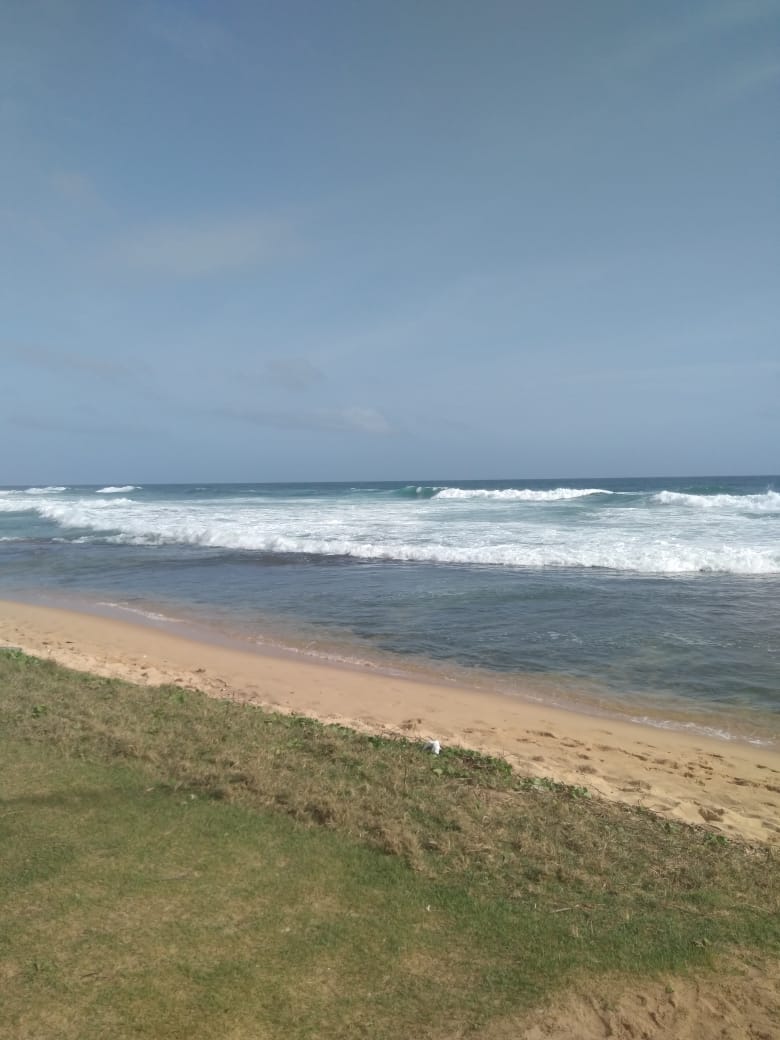
Mount Lavinia sits about forty minutes south of Colombo Fort, and for most residents of the city it's simply the closest proper beach — a wide stretch of golden sand backed by palm trees, seafood shacks, and one genuinely historic hotel perched on the headland above it. It's less polished than the resort beaches further south along Sri Lanka's coast, and that's largely the point: this is where Colombo families come on a Sunday afternoon, not a manufactured tourist strip, which gives it a different, more local energy than most beach destinations marketed to visitors.
The area's name and character are inseparable from the Mount Lavinia Hotel itself, built in 1806 as a clifftop residence for Sir Thomas Maitland, then Governor of British Ceylon. Local legend holds that Maitland built the house to entertain a secret romance with a Sri Lankan dancer named Lovina, and that the neighborhood's name is a corruption of hers — a story repeated so often in Colombo that it's become inseparable from the hotel's identity, whether or not every detail holds up to scrutiny. The building operated as a private residence and government property for over a century before being converted into a hotel, and it has run continuously as one since 1947, making it among the oldest functioning hotels in the country.
During the Second World War, the hotel was requisitioned by the British Army and repurposed as a military hospital, the No. 35 British General Hospital, from 1942 to 1946 — a chapter of its history now documented inside the hotel's own small museum, alongside an underground tunnel once used to move goods (and, according to hotel lore, secret visitors) discreetly between the building and the beach below. Whether or not every detail of the romantic backstory is strictly accurate, walking the hotel's colonial-era corridors and terraces overlooking the ocean makes it easy to understand why the legend has stuck.
| Time | Atmosphere | Best For |
|---|---|---|
| Early morning | Quiet, cooler, joggers and fishermen | A peaceful walk before the heat sets in |
| Weekday afternoon | Relatively uncrowded | Swimming and relaxing without a big crowd |
| Weekend afternoon | Busy with local families | People-watching and street food |
| Sunset | Golden light, busiest photo window | Photos and a seafood dinner afterward |
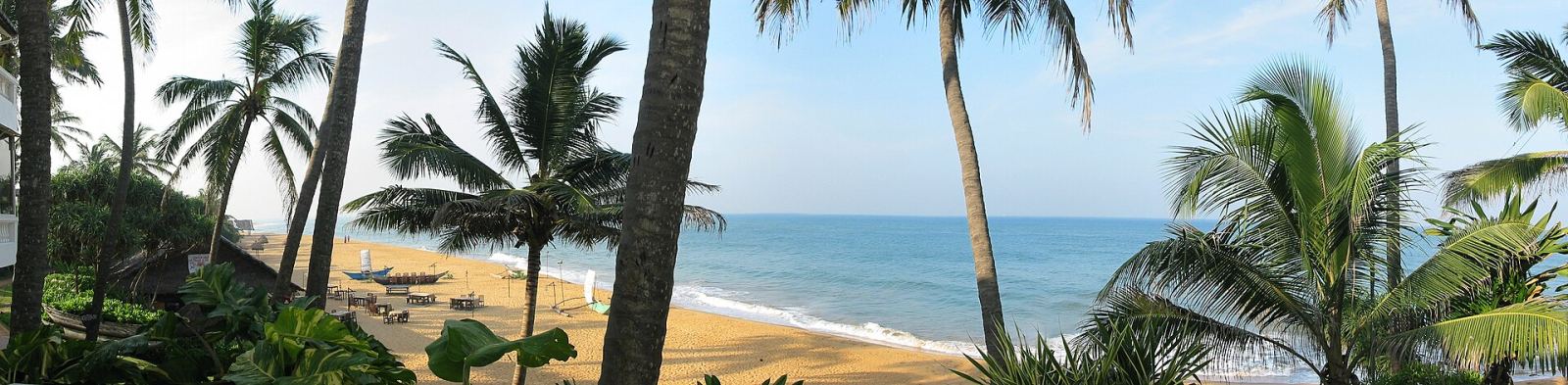
Hotel Road, running along the top of the headland, is where most of the neighborhood's everyday commercial life happens — small guesthouses, seafood restaurants, and shops catering as much to residents of the surrounding suburb as to visitors staying at the beach. Down on the sand itself, informal food stalls sell grilled prawns, crab curry, and fresh fish by weight in the late afternoon and evening, when the beach fills with families setting up on mats and the local custom of an early-evening ocean dip becomes something close to a citywide ritual on weekends.
Mount Lavinia's surf can carry a stronger undertow than it looks, particularly during the southwest monsoon season from May to September, and lifeguard coverage is inconsistent outside the immediate hotel beach area. Swim only where other people are swimming, and don't assume calm-looking water means a safe current.
The train station at Mount Lavinia, on Colombo's coastal rail line, makes the beach one of the easiest out-of-city escapes to reach without a car — the ride from Colombo Fort station takes well under an hour, and the station sits close enough to the beach itself that the walk down requires no further transport. For visitors staying in central Colombo without a full day to spare for a longer coastal trip further south, Mount Lavinia is usually the most practical way to get a real beach afternoon in without leaving the city's transit network.
Even visitors not staying at the Mount Lavinia Hotel can usually access its terraces and sea-view restaurants for a meal or a drink, which is worth doing at least once for the views alone — the cliffside setting offers one of the better sunset vantage points on this stretch of coast, arguably more atmospheric than the beach itself given the height and the colonial architecture framing the view.
Beyond the beach and the hotel, the surrounding residential streets of Mount Lavinia are worth a slower look for anyone interested in Colombo's colonial-era domestic architecture — a scattering of older bungalows and villas, some restored and some genuinely decaying, sit alongside newer apartment construction, giving the area a slightly rougher, more lived-in texture than the polished hotel grounds might suggest. This mix of old and new is fairly typical of Colombo's outer suburbs, where property development has moved quickly without entirely erasing what came before.
Seafood is really the culinary draw here, and the informal beachside stalls that set up in the late afternoon tend to offer better value and fresher catch than the more polished restaurants along Hotel Road, though the tradeoff is a much more basic dining setup — plastic chairs and shared tables rather than white tablecloths. Either way, a Mount Lavinia evening built around watching the sunset and eating fresh crab or prawns is one of the more reliably enjoyable ways to spend a few hours outside central Colombo.
Weekday visits are worth prioritizing if a quieter, more relaxed beach experience matters more to you than the liveliness of a weekend crowd, since Saturday and Sunday afternoons draw enough local families that finding open space on the sand can take some searching, particularly during the cooler, drier months from December through March when beach-going is at its peak across the whole city.