Cinnamon Gardens: Inside Colombo's Leafiest, Most Elite Neighborhood
From 18th-century spice plantations to embassies and colonial mansions — Colombo 7's tree-lined streets, explained.
Cinnamon Gardens, officially Colombo 7, is the leafiest and by most measures the wealthiest neighborhood in Colombo — tree-lined avenues, colonial-era bungalows, foreign embassies, and some of the city's most prestigious schools and institutions, all sitting on ground that was, quite literally, a working cinnamon plantation just over two centuries ago. The contrast between its rural, agricultural origins and its current status as the address of choice for diplomats and old Colombo families is part of what makes it an interesting neighborhood to understand, even for visitors who won't spend much time inside its private gardens and gated compounds.
The area's transformation began in the 1780s, when Cornelis de Cock, the Dutch colonial official known as the Disave of Colombo, cleared roughly 289 acres of land specifically to cultivate cinnamon, the spice that had drawn European colonial interest to Ceylon in the first place. For much of the 18th and 19th centuries, Cinnamon Gardens remained a genuine agricultural suburb on the edge of the city, distinct from the busy commercial centers of Fort and Pettah closer to the harbor. It wasn't until the 20th century, as Colombo's elite began building substantial private homes on the former plantation land, that the neighborhood took on the character it's known for today.
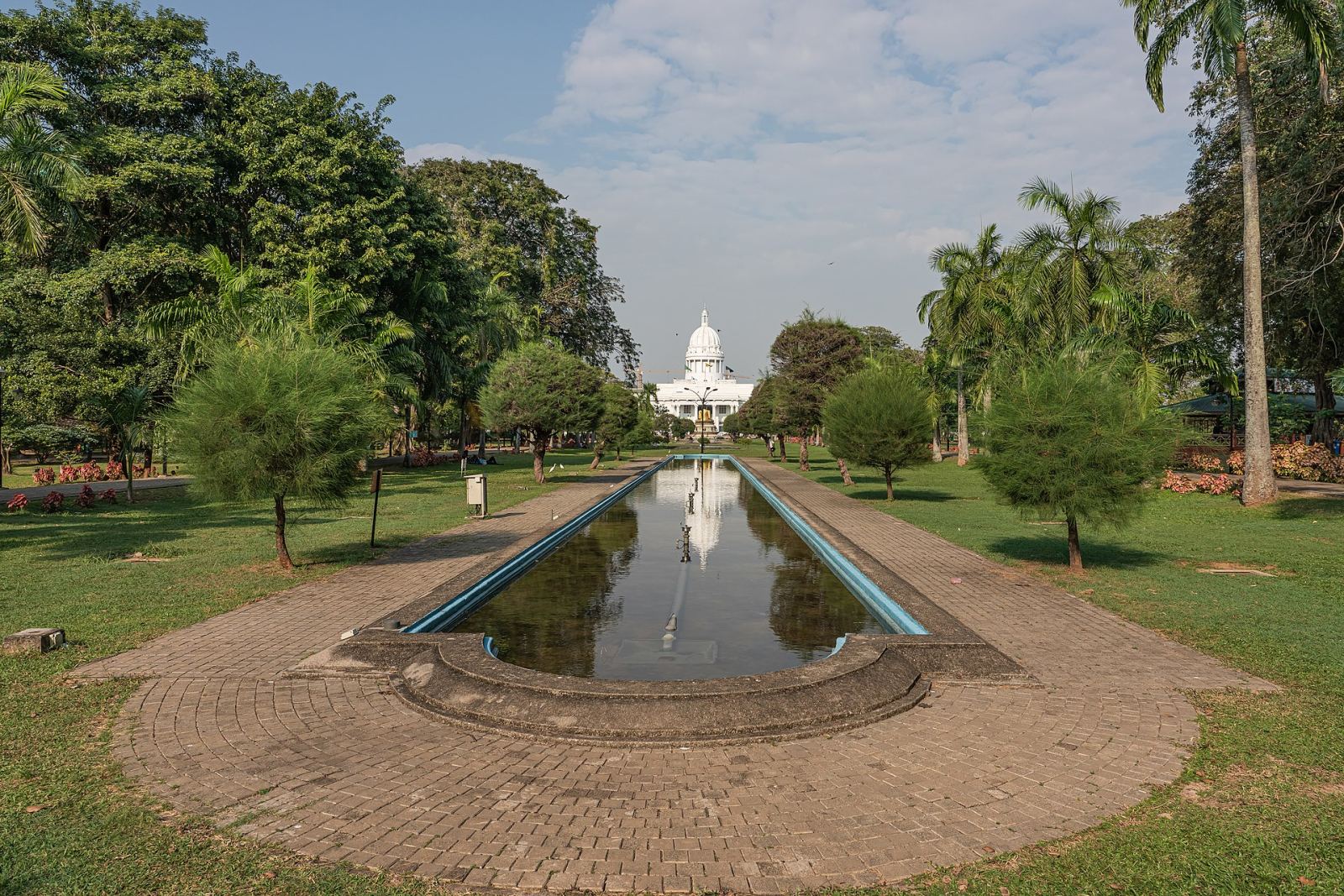
Viharamahadevi Park, the neighborhood's largest public green space, sits directly across from the domed, white Colombo Town Hall, itself modeled loosely on the United States Capitol building. The park is one of the few genuinely public spaces in a neighborhood otherwise defined by private gardens behind high walls, and it draws a real cross-section of the city — joggers and families in the early morning and evening, office workers on lunch breaks, and the occasional wedding photo shoot taking advantage of the manicured lawns and fountains.
| Time | Atmosphere | Best For |
|---|---|---|
| Early morning | Joggers and dog-walkers in the park | A quiet walk through Viharamahadevi Park |
| Midday | Quiet residential streets, some traffic | Driving or cycling past embassy row and colonial homes |
| Late afternoon | Schools letting out, streets busier | Observing everyday neighborhood life |
| Evening | Park fills with families and joggers | People-watching and cooler-weather walking |
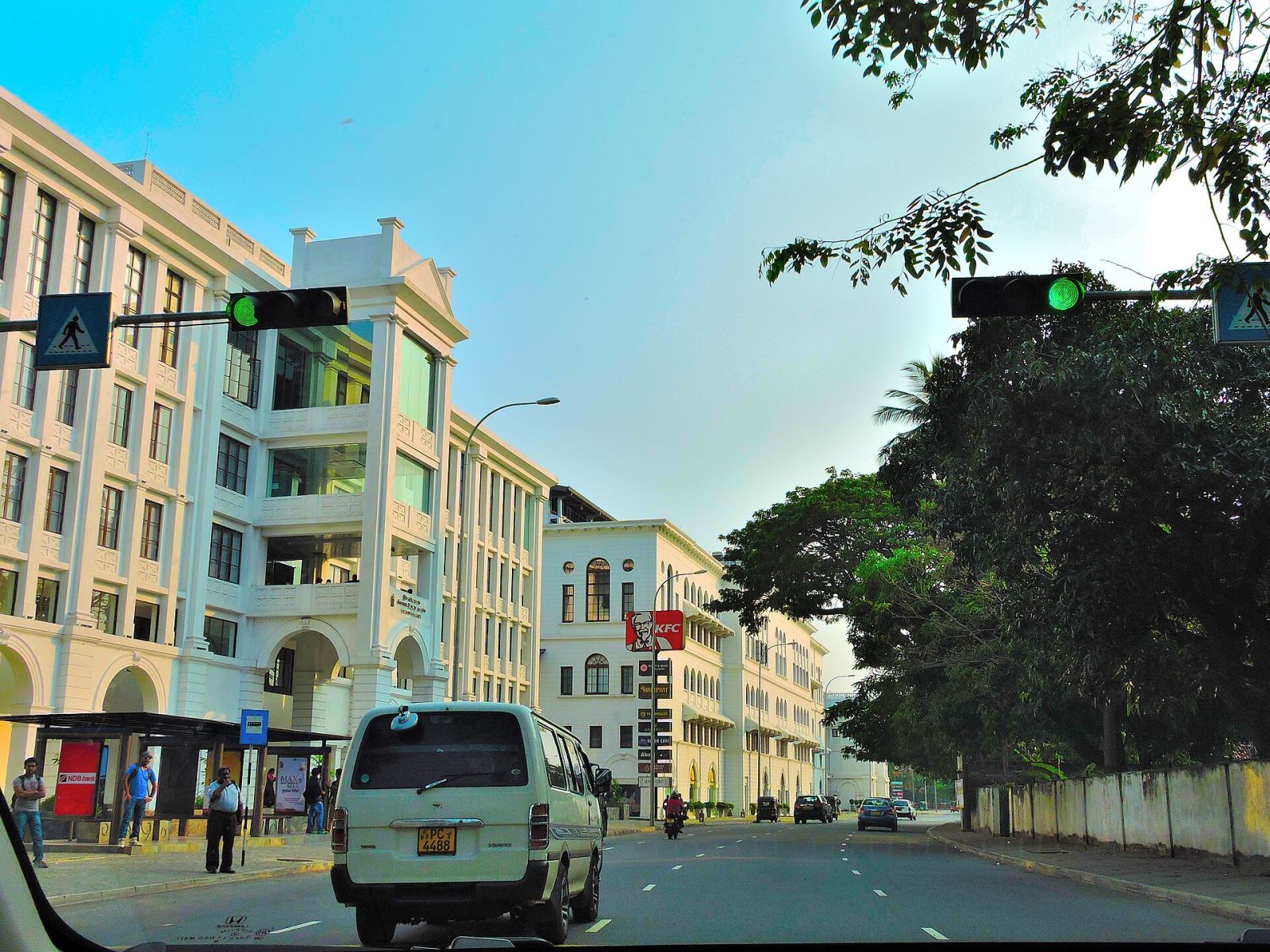
Independence Avenue is the neighborhood's most symbolically loaded stretch, home to the National Archives and National Library on one side and the Colombo Cricket Club — the country's oldest, founded in 1832 — on the other, along with the national Independence Memorial Hall commemorating Sri Lanka's 1948 independence from Britain. Nearby, the National Museum houses the country's most significant collection of Sri Lankan art, archaeology, and royal regalia, making Cinnamon Gardens as much a cultural and institutional center for the country as it is a residential neighborhood.
Much of Cinnamon Gardens consists of private homes and embassy compounds rather than public attractions, so the main appeal is a walk or drive through its streets rather than any single ticketed site. Photographing embassy buildings closely is generally discouraged, and some streets have visible security presence given the diplomatic residences.
Royal College and the University of Colombo, both located within or adjacent to the neighborhood, reinforced Cinnamon Gardens' identity as an educational and intellectual hub through the 20th century, a reputation that persists today — many of the country's most prominent professionals, politicians, and cultural figures either grew up in the neighborhood or attended school there, and the area's social prestige is tied as much to these institutions as to its real estate values.
Cinnamon Gardens is easily explored on foot or by tuk-tuk from central Colombo, and its wide, tree-shaded streets make it one of the more comfortable neighborhoods in the city for walking during the middle of the day, when direct sun elsewhere in Colombo can be genuinely punishing. Most visitors combine a walk through Viharamahadevi Park with a slower drive or tuk-tuk ride past the surrounding embassy row and colonial architecture, rather than treating the neighborhood as a single fixed itinerary stop.
The neighborhood's dining scene has grown considerably more polished over the past decade, with a cluster of upscale restaurants and cafés opening around its edges to serve the surrounding embassy and diplomatic community alongside wealthier Colombo residents. This gives Cinnamon Gardens a genuinely different dining character from most of the rest of the city — international cuisine, higher price points, and a calmer, less frenetic pace than the street food and casual eateries found in busier commercial districts like Pettah or Wellawatte.
Cinnamon Gardens also functions as something of a living museum of Colombo's colonial-era domestic architecture, with dozens of well-preserved bungalows from the early and mid-20th century still standing along its quieter side streets, many now serving as embassy residences, private clubs, or boutique offices rather than single-family homes. Architecture enthusiasts often find a slow drive or walk through these back streets, away from the main avenues, more rewarding than the more heavily trafficked routes past the park and museum.
The neighborhood's relative calm and greenery also make it a popular choice for boutique guesthouses and small luxury hotels catering to visitors who'd rather stay somewhere quieter than the busier hotel districts closer to Galle Face and Colombo Fort, trading some proximity to the main tourist sights for a genuinely more residential, tree-shaded atmosphere in the evenings, and a shorter, calmer commute back from dinner or an evening walk in the park.