Coloane Village: Macau's Seaside Escape
Explore Coloane Village in Macau, a quiet seaside village of pastel chapels, bakeries and black-sand Hac Sa beach, and the best place for an unhurried afternoon.

Coloane Village: Macau's Seaside Escape
Coloane Village is the southernmost and quietest corner of Macau, a small waterfront settlement on Coloane island that feels a world away from the casinos of Cotai. Its pastel-colored buildings, shady squares, small chapels and seafront promenade have an almost Mediterranean air, and it is a favorite for weekend visitors who want food, space and slower pace. If you have a spare half day in Macau, this is the place to spend it.
Coloane was once a pirate haven and a fishing settlement, and the village still celebrates that history. A small chapel on the main square commemorates a 1910 battle in which villagers defeated pirates, and the nearby Tam Kung Temple, dedicated to a sea deity associated with fishermen, preserves a whale bone as a relic. These small details, together with the old shopfronts, give the village a sense of continuity that is rare in Macau.
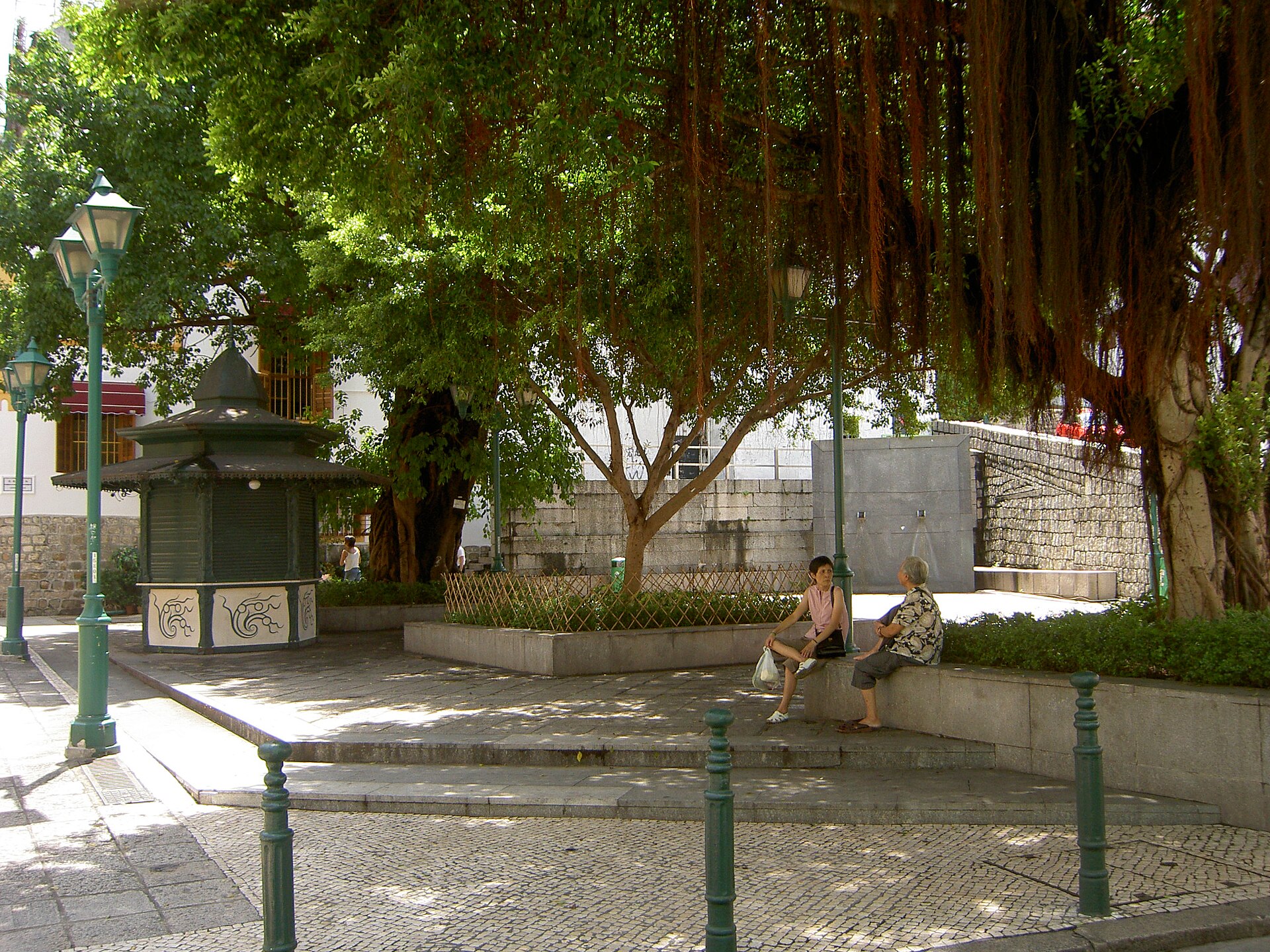
The central square, Largo Presidente António Ramalho Eanes, is the village's focal point, ringed by pastel buildings, sheltered by trees, and dominated by the little St. Francis Xavier Chapel, built in 1928. The chapel's yellow and white façade is one of the most photographed in Macau, and its interior contains a small collection of religious art. The square is a good place to sit on a bench, watch village life and enjoy the quiet.
Food is the main draw. The lanes around the square have small bakeries, cafés and restaurants, and the village is famous as the home of the Macau-style egg tart, with a well-known bakery that draws crowds every day. Alongside the egg tarts, you will find Portuguese pastries, almond cookies, coffee and, in the restaurants, Macanese and Portuguese dishes like grilled sardines, bacalhau and African chicken. Many are open-air or on shaded terraces.
| Sight | What to Know |
|---|---|
| St. Francis Xavier Chapel | Yellow-and-white 1928 chapel on the main square |
| Tam Kung Temple | Small temple to a sea deity, with a whale-bone relic |
| Hac Sa Beach | Black-sand beach with seaside restaurants, a short bus ride away |
| Bakeries and cafés | Egg tarts, Portuguese pastries and Macanese food around the square |
Take a public bus or taxi from the peninsula or Taipa, or a resort shuttle toward Coloane where available. Allow 30 to 40 minutes from the old town.
Beyond the village, Coloane offers outdoor space that is rare in such a dense territory. Hac Sa Beach, whose name means “black sand” in Cantonese, is a long stretch of dark volcanic sand with a laid-back vibe and several restaurants along its edge, and it is a popular place for swimming in summer. Walking trails climb through Coloane's green hills, offering views over the sea and the Cotai Strip, and a statue of the goddess Kun Iam stands on a hill above the village.
Getting to Coloane takes a little longer than reaching other districts, but it is straightforward. Public buses and taxis run from the peninsula and the Cotai resorts, and some resort shuttles stop nearby. The village is at its best on weekday mornings and in the late afternoon, when the day trippers have thinned and the light softens over the water. On weekends and holidays it can be crowded, especially around the bakeries, so go early to avoid queues.
Combine Coloane with a visit to Hac Sa Beach for a half day of fresh air, a long lunch and a swim, or fit it between Taipa Village and the Cotai Strip as part of a longer day. It is not a place for a checklist of attractions. The pleasure lies in strolling, eating and sitting, and in discovering how much calmer Macau can be when you step away from the neon and the crowds.
Visitors who come to Macau for several days often find that Coloane becomes the highlight, precisely because it is the most unlike the image of the place that they arrived with. It combines the Portuguese colonial legacy, the Chinese fishing heritage and a sense of community in a very small area. With a good meal and a walk by the water, an afternoon in Coloane is an easy and inexpensive way to see another side of Macau.
Hiking is an underrated reason to come. Coloane's trails wind through forested hills above the sea, with viewpoints toward the Cotai Strip and across to mainland China. The routes are well marked and mostly easy, though they can be hot and humid, so bring water and start early. After a walk, a plate of grilled sardines or African chicken in the village, followed by an egg tart, makes a satisfying finish to a day that feels a long way from the neon and the crowds of the main resort strip.