Why Visit Macau?
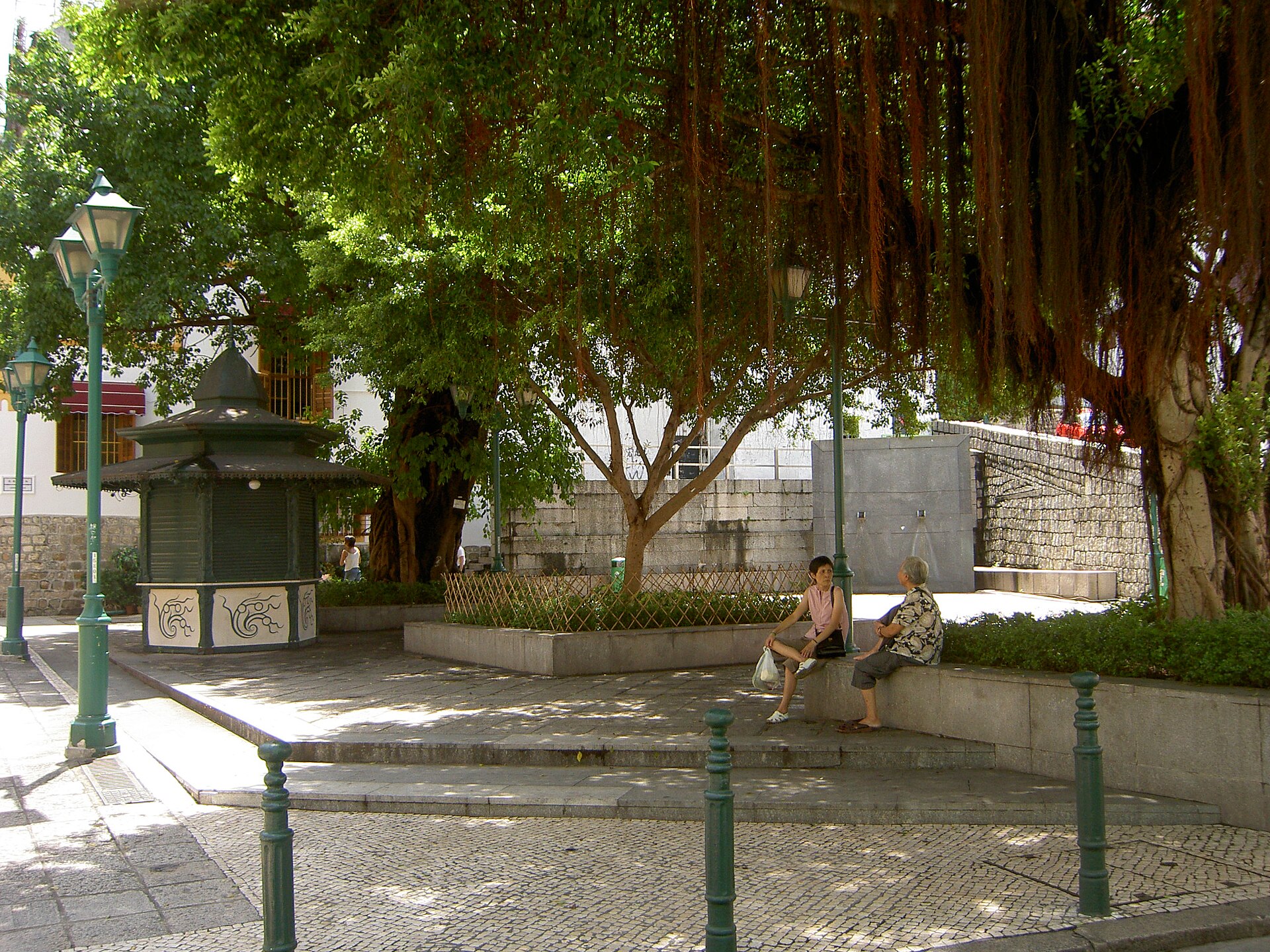
Macau is a small territory with an unusually layered identity. It was a Portuguese trading settlement for more than 400 years before returning to Chinese sovereignty in 1999, and that history is still visible in the pastel colonial squares, baroque churches and Portuguese street signs of the old peninsula. Much of it is protected as the UNESCO-listed Historic Centre of Macao. The food reflects the same blend, from Portuguese egg tarts to Macanese dishes that combine Portuguese, Cantonese, African and Southeast Asian influences.
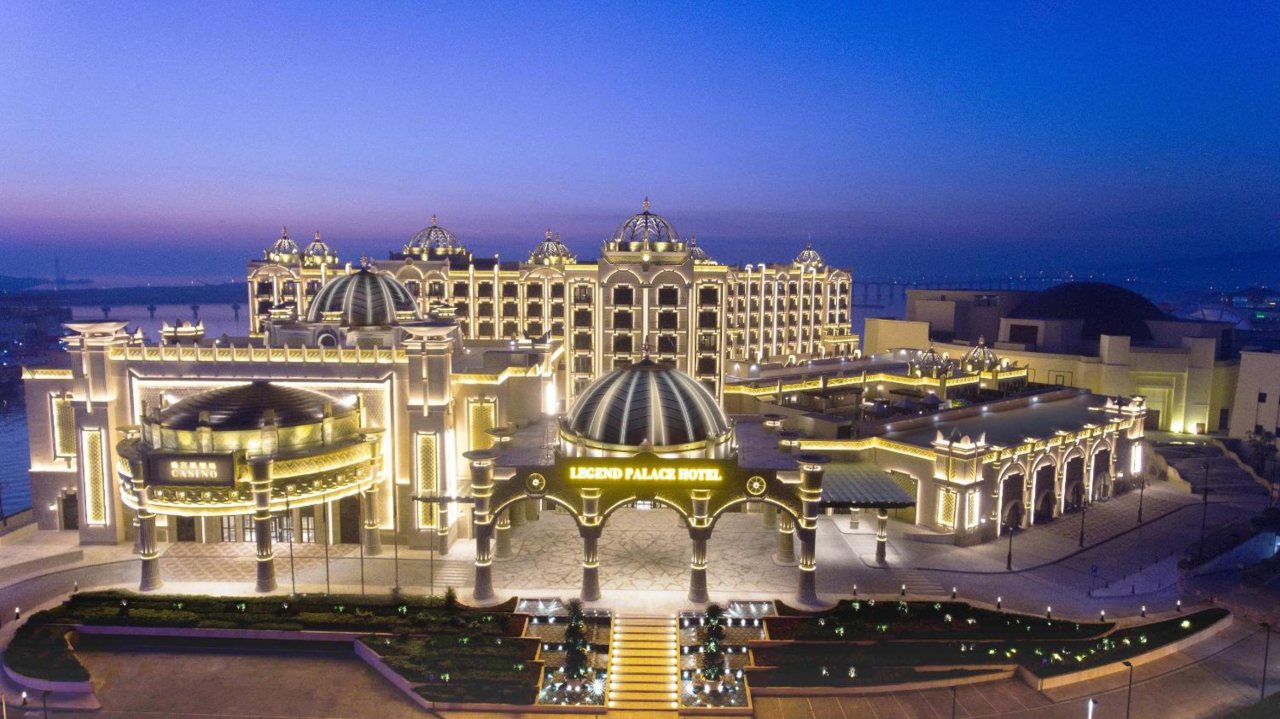
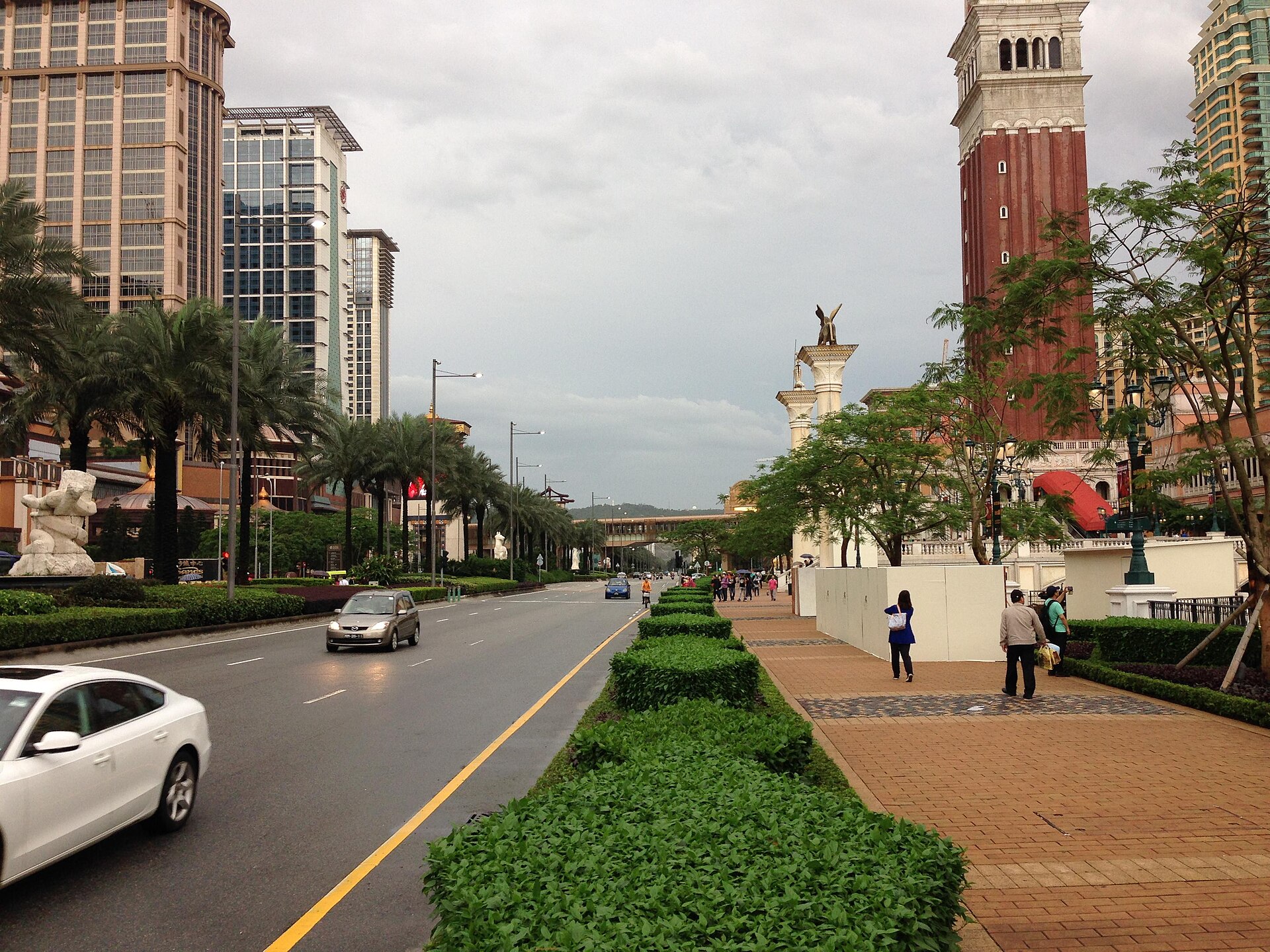
The other half of Macau is the one most people picture first: the Cotai Strip, a stretch of reclaimed land where giant casino resorts recreate Venice, Paris and London under one roof, complete with canals, shows and shopping. The two sides sit only a few kilometers apart, so a morning among heritage lanes and an evening in a glittering resort are easy to combine. It is compact, easy to reach from Hong Kong by bridge or ferry, and works well as a two- or three-night stop.
Getting Around Macau
Macau is small enough that you rarely need more than buses, your feet and the free shuttles. Most casino resorts run complimentary shuttle buses between the ferry terminals, border gates and major hotels, and these are open to anyone, which makes them the cheapest way to cross the city. Public buses cover the whole territory for a low flat fare, and a rechargeable Macau Pass card makes them easier to use. Metered taxis are plentiful, and the Light Rapid Transit serves Taipa and the Cotai area.
Most visitors arrive from Hong Kong, either by ferry from the Hong Kong Macau Ferry Terminal, which takes about an hour, or by shuttle bus across the Hong Kong-Zhuhai-Macau Bridge. Macau also has its own international airport on Taipa with direct flights across Asia, which is convenient if you want to skip Hong Kong entirely.
Take the free resort shuttles but do not rely on the street map alone. Many of the routes loop between hotels and ferry terminals rather than tourist sights, so ask at the shuttle stop where a bus goes before you board.
Top Attractions
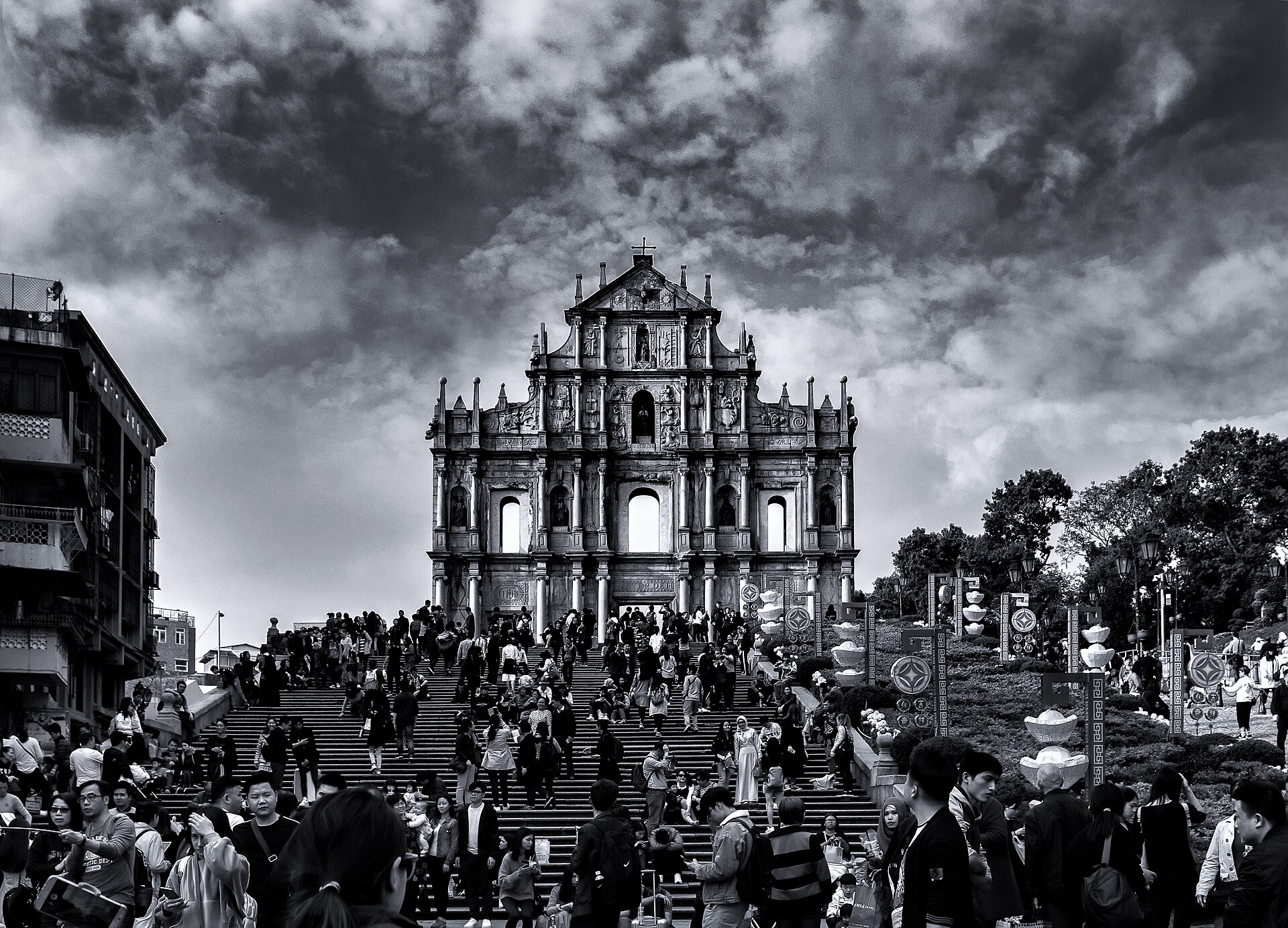
Ruins of St. Paul's
The carved stone façade of a 17th-century Jesuit church, Macau's best-known landmark and the gateway to its UNESCO-listed old town.
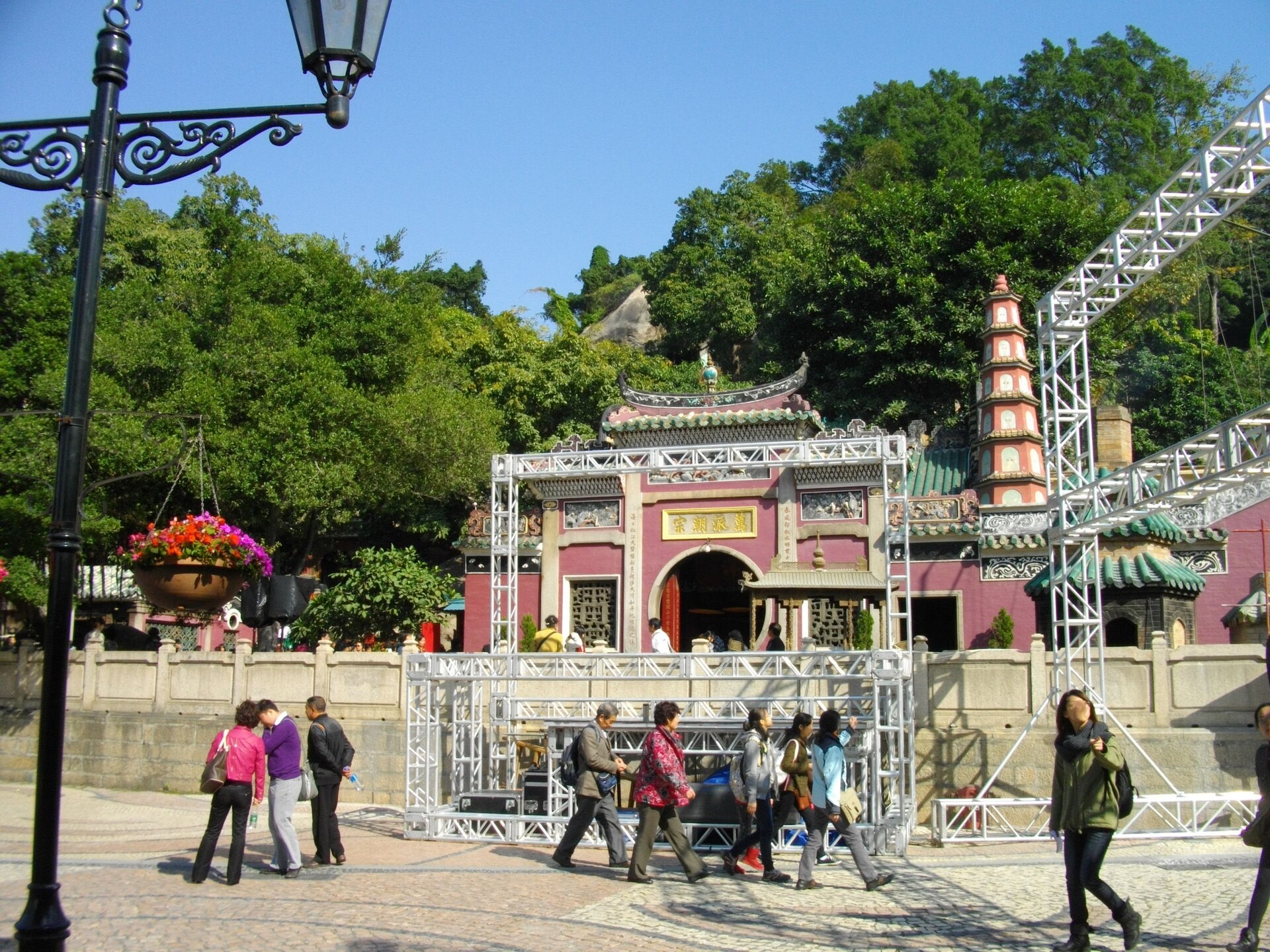
A-Ma Temple
One of Macau's oldest and most atmospheric temples, dedicated to the sea goddess whose name gave the city its name.
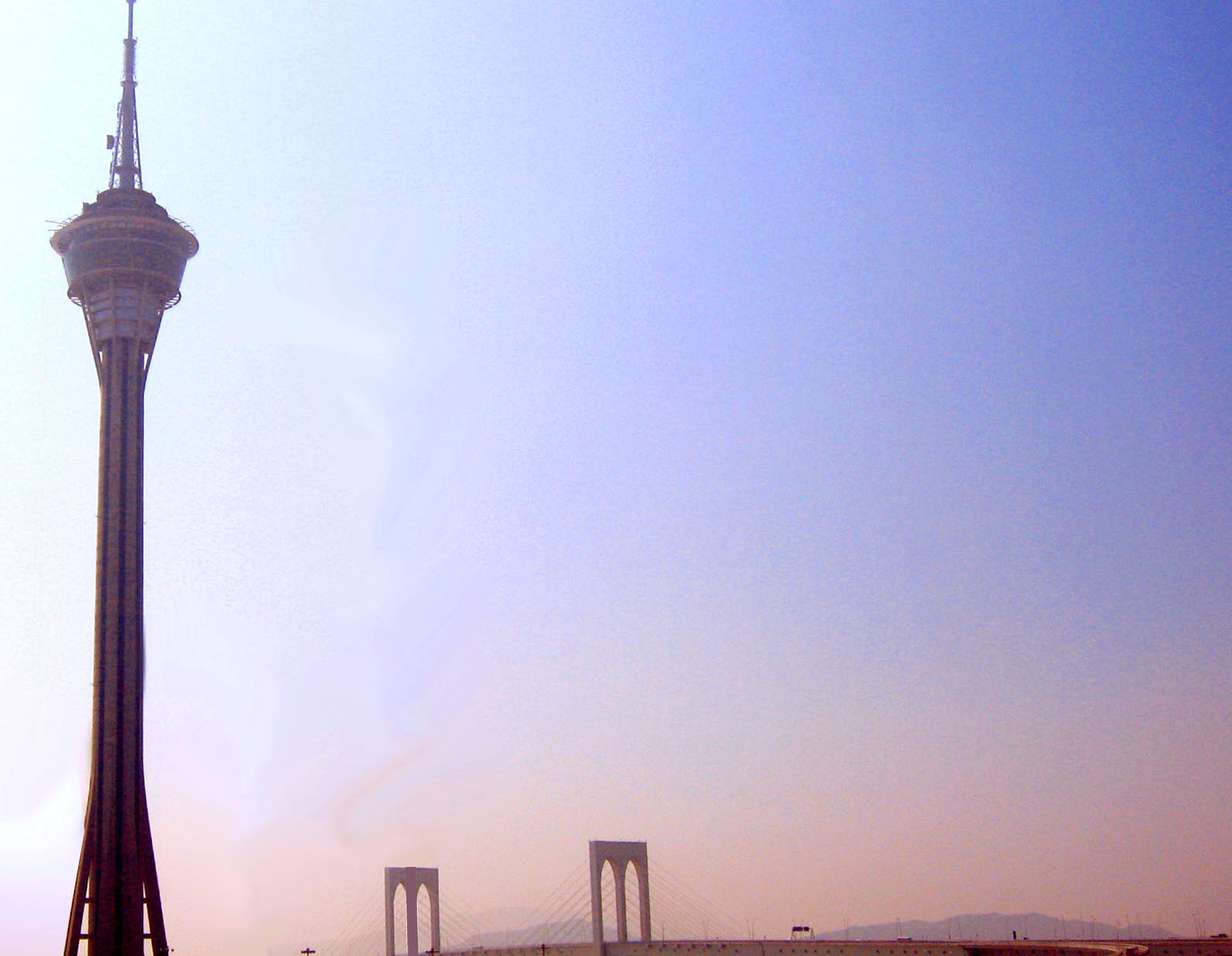
Macau Tower
A 338-meter observation tower with a glass-floor deck, a skywalk and one of the world's highest commercial bungee jumps.
Where to Stay in Macau
| Area | Best For | Avg. Price/Night |
|---|---|---|
| Macau Peninsula (Senado / Old Town) | Heritage sights, food streets, walkable first-time base | $40–$200 |
| Cotai Strip | Resort stays, shows, shopping, families | $90–$400 |
| Taipa Village | Boutique guesthouses, local food, quieter evenings | $60–$180 |
| Coloane | Quiet stays, beaches and hiking, a relaxed pace | $70–$200 |
| Border Gate / Barra | Budget guesthouses and easy ferry or border access | $30–$110 |
What to Eat in Macau
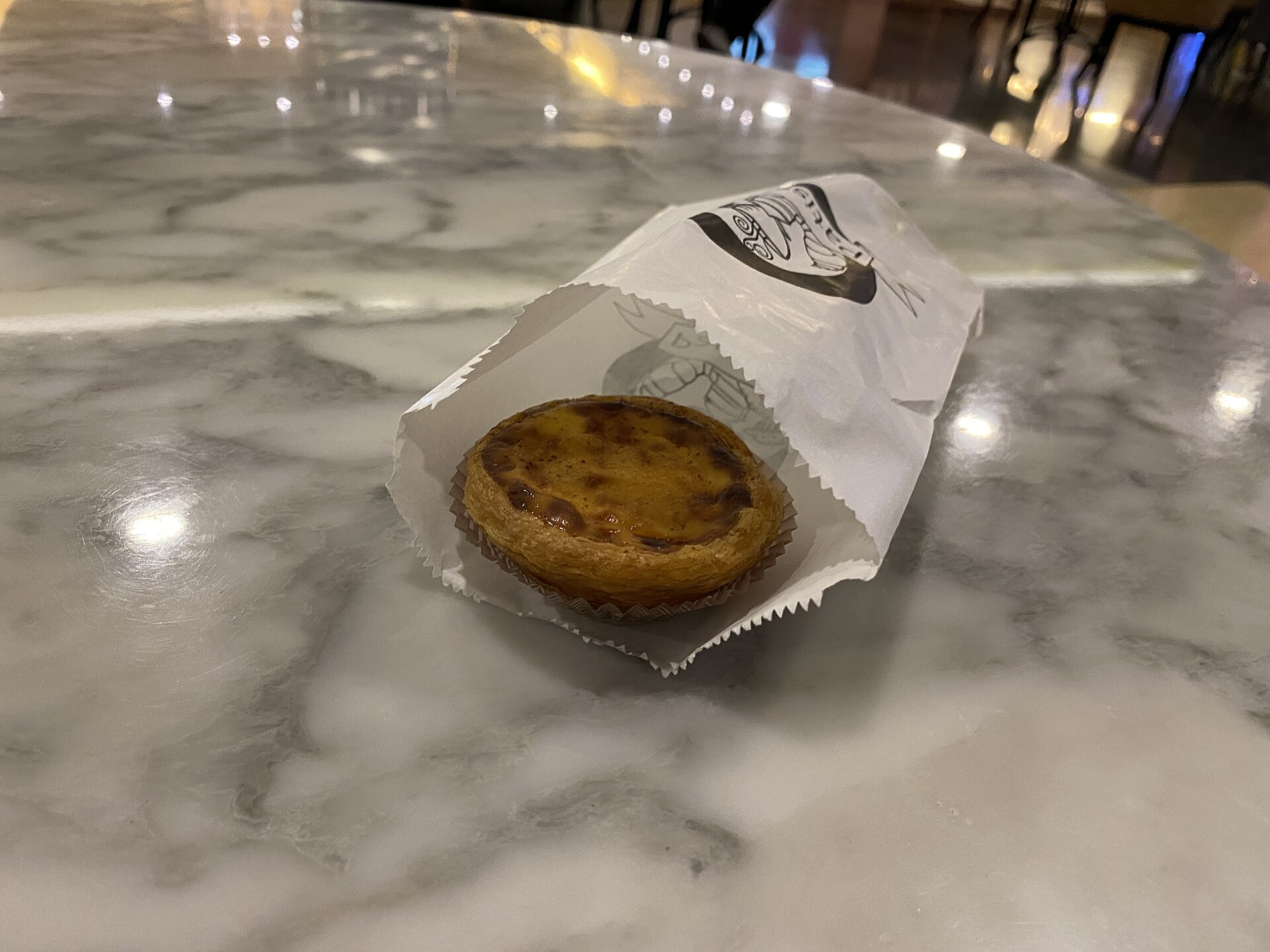
Portuguese Egg Tarts
Flaky pastry shells filled with a caramelized custard, Macau's best-known sweet and an inheritor of Portuguese baking.
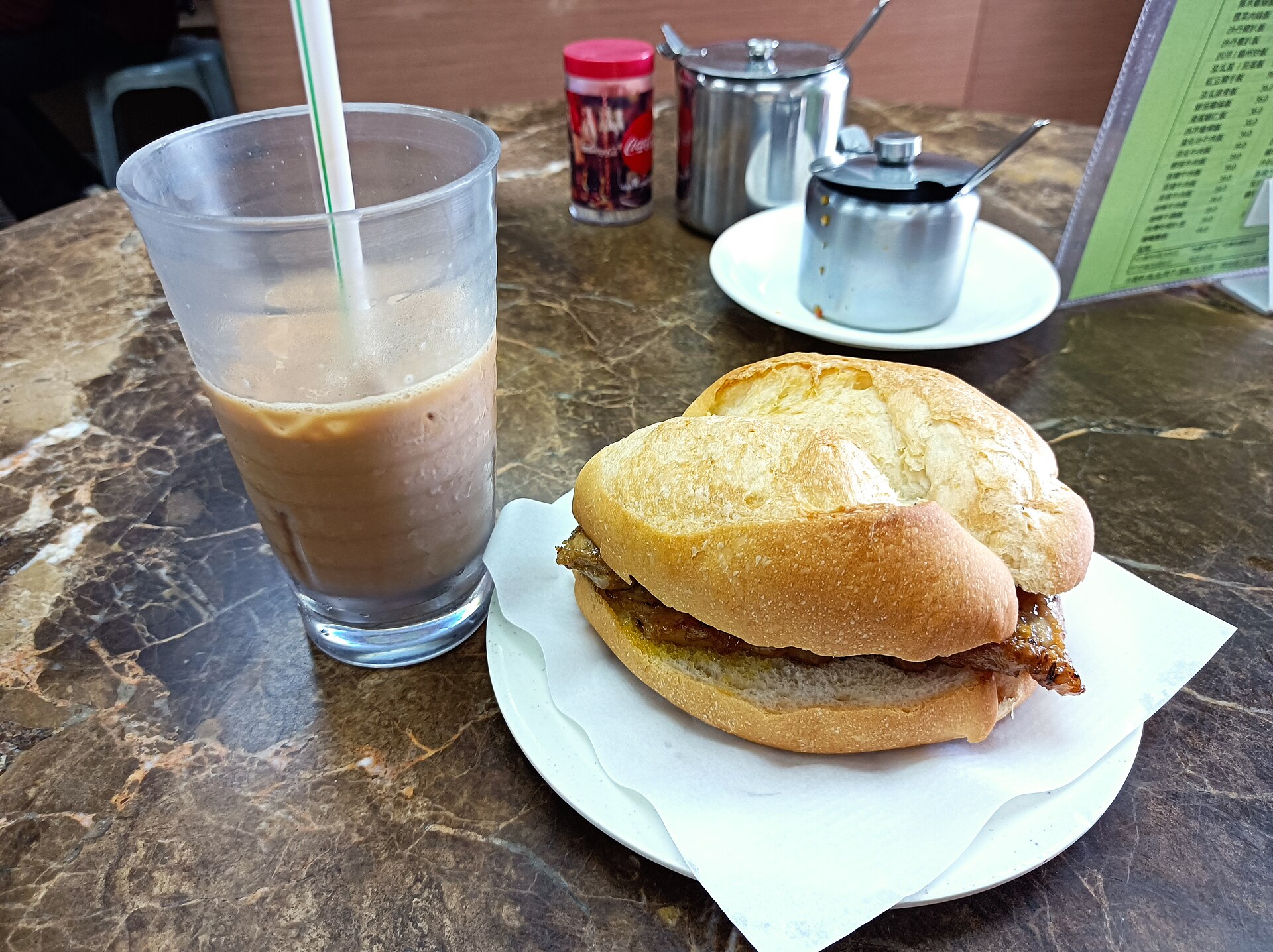
Pork Chop Bun
A crisp bone-in pork chop in a warm, soft bun, the classic Macau street-food sandwich.
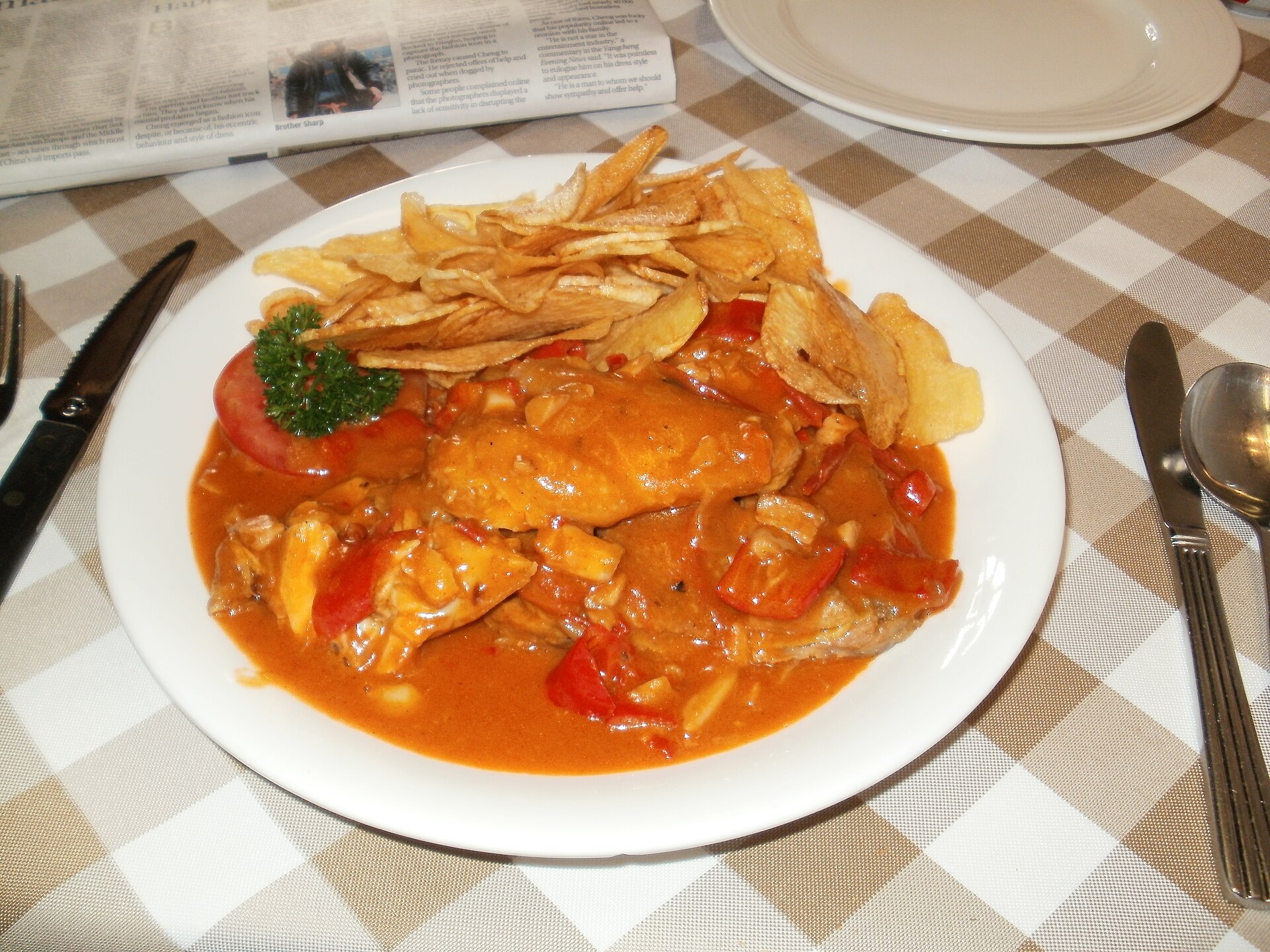
African Chicken
Grilled chicken in a spicy coconut, peanut and chili sauce, the signature dish of Macanese cooking.
Eat Macanese food at small family-run restaurants in Taipa and Coloane rather than inside the big resorts. The recipes are closer to home cooking, the portions are generous and the prices are a fraction of casino restaurant rates.
Travel Budget
| Travel Style | Daily Budget | What's Included |
|---|---|---|
| Backpacker | $50–$75 | Guesthouse or hostel, local noodle and pork chop bun meals, buses and free shuttles |
| Mid-Range | $110–$220 | 3 to 4-star hotel, sit-down Macanese and Portuguese meals, a couple of paid attractions |
| Luxury | $350+ | Five-star resort suite, fine dining, shows and private transfers |
Weekday hotel rates are often a fraction of Friday and Saturday prices, because the casino resorts price for weekend visitors from Hong Kong and mainland China. Booking Sunday to Thursday can save you a lot.