Taipa Village: Macau's Quiet Food Village
Wander Taipa Village in Macau, where pastel Portuguese houses, family-run Macanese restaurants and quiet temples sit just across the bridge from the Cotai resorts.

Taipa Village: Macau's Quiet Food Village
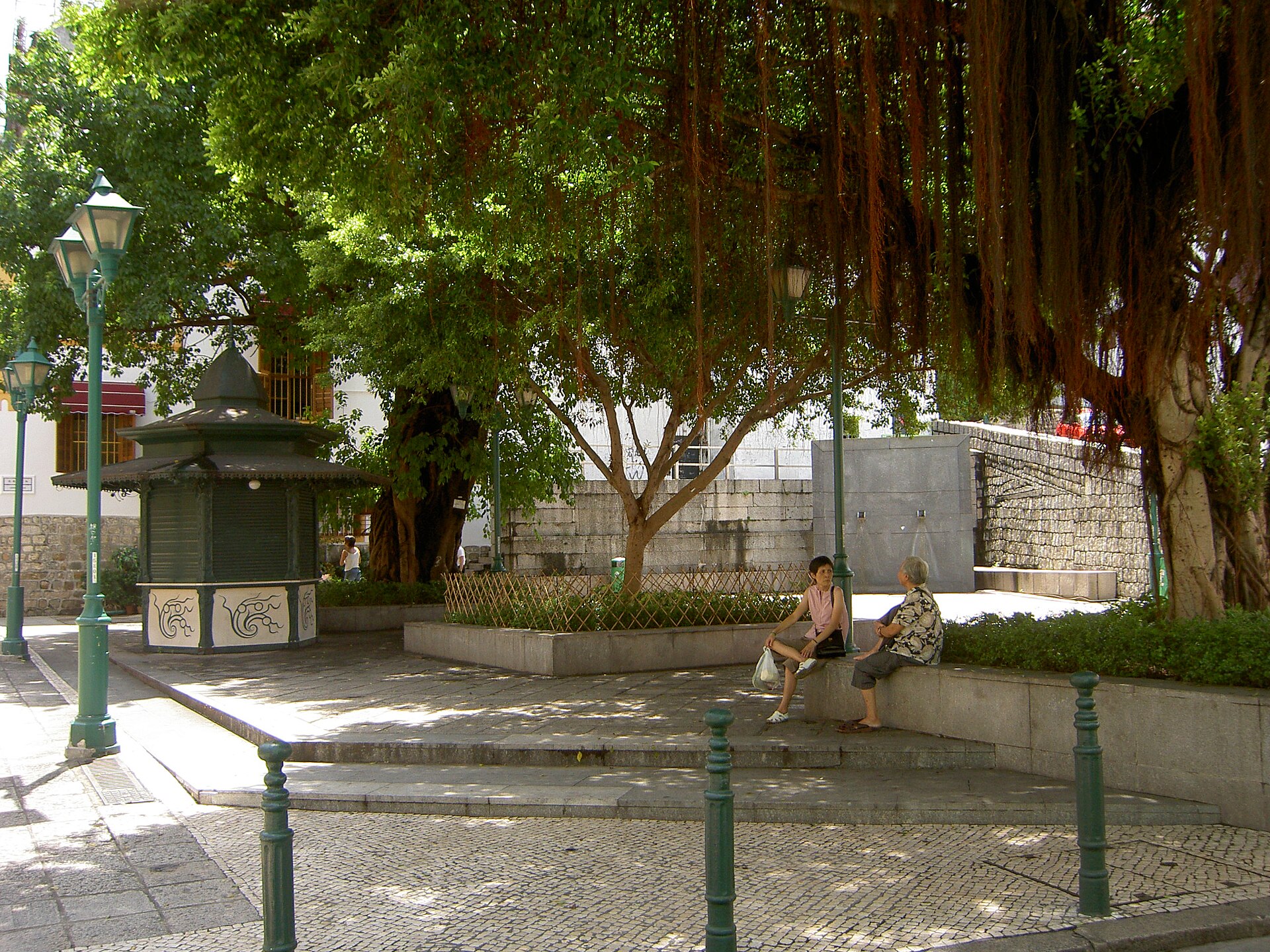
Taipa Village is the old heart of Taipa island, a compact district of narrow lanes, whitewashed houses and small squares that has kept its village feel despite being a few minutes from the glass towers of Cotai. For visitors who find the old town too crowded or the resorts too glitzy, Taipa Village is a gentler middle ground: a place to wander without a plan, eat well and enjoy a slower pace of life that feels like a different Macau entirely.
Before the casino boom, Taipa was a separate island with fishing and firecracker-making industries, and it was joined to the peninsula by bridges in the 1970s and later to Coloane by the reclaimed Cotai land. The village kept much of its older character through the transformation, and many of its buildings date to the 19th and early 20th centuries. Its streets carry Portuguese names, and the squares and chapels reflect the same colonial past as the old town but on a smaller scale.
The main street for visitors is Rua do Cunha, a lively pedestrian lane lined with food shops, restaurants and souvenir stores. The street is known for its snacks, particularly almond cookies, meat jerky, egg tarts and the famous pork chop buns, and you can graze along its length for the price of a single sit-down meal. Many shops give out free samples, and the food stalls and bakeries are busy from late morning until the evening.
Close by, the Taipa Houses-Museum is a row of five pastel green colonial villas built in the 1920s as homes for Portuguese officials, now restored and open to the public. The houses show how wealthy residents lived in the early 20th century, with period furniture and rooms decorated in Portuguese style, and the gardens and waterfront setting are a pleasant place to pause. They are one of the most photogenic spots in the village and are free or very cheap to enter.
| Sight | What to Know |
|---|---|
| Rua do Cunha | Pedestrian food street with snacks, cookies and restaurants |
| Taipa Houses-Museum | Five restored colonial villas by the waterfront |
| Church of Our Lady of Carmel | White chapel overlooking a pretty square |
| Pou Tai Un Temple | Large Buddhist temple complex a short ride away |
Graze along Rua do Cunha for snacks, then walk a block or two back from the main lane for a sit-down Macanese meal. The quality is often better and the prices lower away from the busiest stretch.
The village is also home to several temples and a small church. The Church of Our Lady of Carmel, a white-and-yellow chapel on a raised terrace, overlooks a pretty square, and the nearby Tin Hau Temple honors the sea goddess in a smaller, quieter setting than A-Ma Temple. A short bus ride away, the Pou Tai Un Temple, a large Buddhist complex with a distinctive golden statue, offers a more tranquil retreat and a vegetarian restaurant.
Taipa Village is best known among locals as a place to eat. Beyond the snack stalls, the lanes hold some of the best Macanese and Portuguese restaurants in Macau, many family-run and serving dishes like African chicken, minchi, bacalhau and grilled sardines. Prices are noticeably lower than in the big resorts, and the portions are generous. In the evening the village fills with diners, and the atmosphere is relaxed and sociable.
For visitors, the practical tips are simple. Taipa Village is easily reached by bus or taxi from the peninsula or the Cotai resorts, and the Light Rapid Transit station at Taipa gives another route. It is quietest on weekday mornings and busiest on weekends and holidays, when day-trippers from Hong Kong and mainland China fill the lanes. A couple of hours is enough to cover the main streets, though many visitors stay for a long lunch or dinner.
If you only have time for one place outside the old town, Taipa Village is a strong choice. It gives you the food, the history and the human scale that the casino strip lacks, and it is one of the few places in Macau where you can still feel the neighborhood rhythms of a small Portuguese-Chinese community. Pair it with an evening on the Cotai Strip for a full picture of how the territory contrasts old and new.
It is worth timing a visit around meals. Many family-run restaurants close between lunch and dinner, typically from mid-afternoon until early evening, so arrive for lunch before two or for dinner after six to avoid finding the shutters down. Weekday lunches are often the best value, with set menus that include soup, a main dish and a drink, and some places add a small service charge, so check the bill. Booking ahead is rarely necessary except on weekend evenings, when the most popular Macanese restaurants fill with groups and a short wait for a table is usually rewarded.