Dong Khoi Street: Saigon's Colonial Boulevard, Explained
Once Rue Catinat, then Tu Do Street — the history behind Saigon's most elegant shopping boulevard and its three names across three eras.

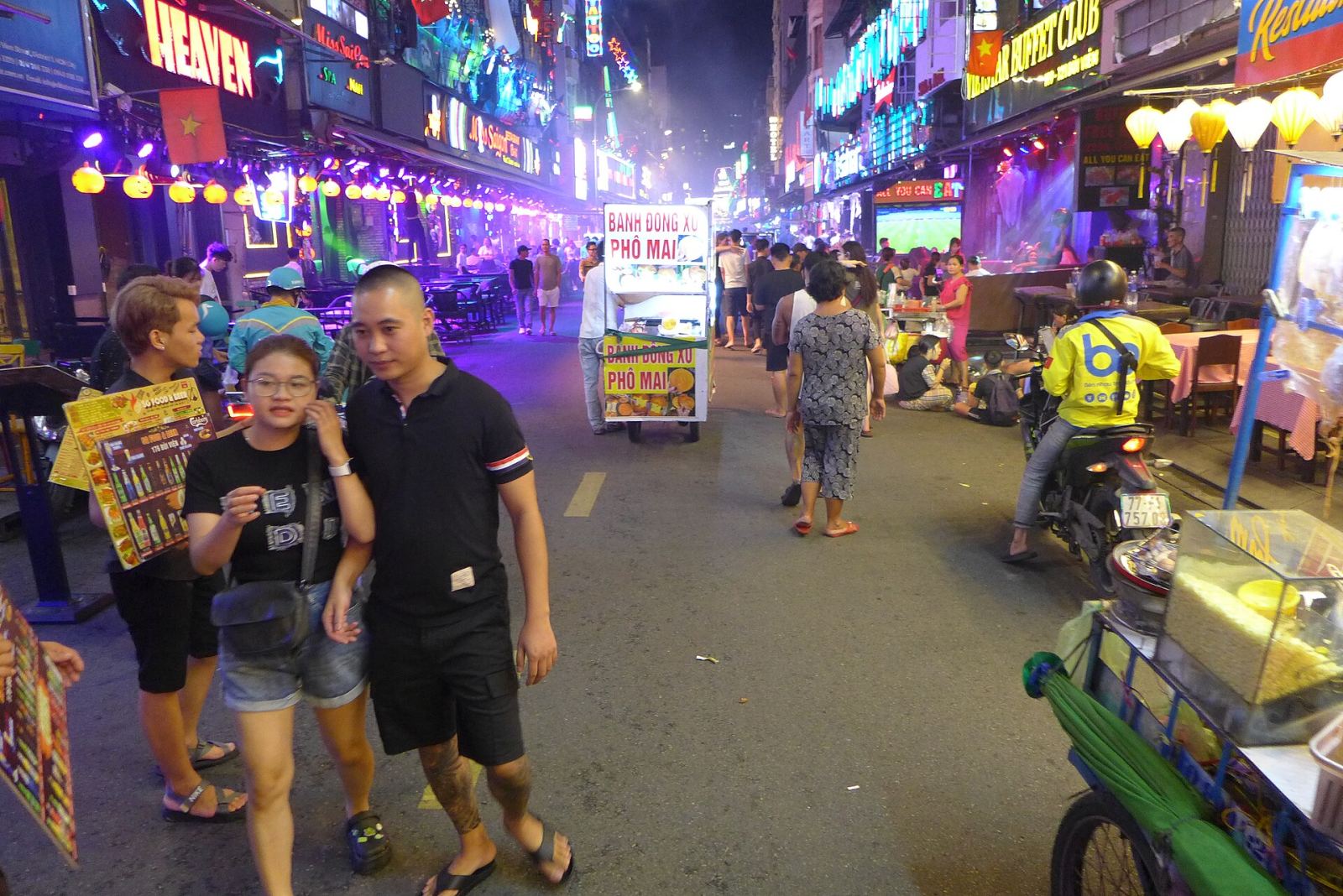
If Bui Vien is Saigon's rowdy backpacker corner, Dong Khoi Street is its polished, colonial-era counterpart, and the contrast between the two, only a short taxi ride apart, says a lot about how many different versions of the same city exist side by side — a short, elegant boulevard in District 1 lined with designer boutiques, luxury hotels, and some of the best-preserved French colonial architecture left in the city. Running from the Saigon Opera House down toward the river, Dong Khoi has been the address of choice for Saigon's elite for well over a century, under three different names and three very different political eras, and it still functions today as the city's most recognizable upscale shopping street.
The street's name changes track Vietnam's own turbulent 20th century almost exactly. Under French colonial rule, it was Rue Catinat, named for a warship that took part in 19th-century French military campaigns against Vietnam, and it blossomed during that era into the grand boulevard at the heart of colonial Saigon. After the French departed, it became Tu Do — "Freedom" — Street during the South Vietnamese era, a name still used nostalgically by older residents and in Vietnam War-era writing. Following reunification in 1975, it was renamed Dong Khoi, meaning "Total Revolution" or "General Uprising," the name it retains today.
Architecturally, Dong Khoi remains one of the best places in Saigon to see colonial-era buildings still in active use rather than preserved as static monuments. The Hotel Continental Saigon and the Hotel Majestic both opened in the early 20th century and have hosted generations of guests, from war correspondents during the Vietnam War to modern travelers seeking old-world atmosphere; graham Greene famously used the Continental as a setting in The Quiet American. Interspersed among these grand hotels today are international luxury boutiques, art galleries, jewelry shops, and a scattering of smaller stalls selling silk scarves and embroidered textiles — a genuine mix of old and new that few other Saigon streets can match.
| Time | Atmosphere | Best For |
|---|---|---|
| Morning | Quiet, shops still opening | Photography of the colonial architecture without traffic and crowds |
| Midday | Moderate foot and vehicle traffic, heat can be intense | Shopping in air-conditioned boutiques |
| Early evening | Cooler temperatures, street lighting on, most atmospheric window | A relaxed walk — locally considered the best time to visit |
| Late evening | Restaurants and hotel bars busiest | Dinner or a drink at one of the historic hotels |
The Saigon Opera House anchors the northern end of Dong Khoi, while Notre-Dame Cathedral and the Central Post Office sit just a block or two to the west. Because these major sights are so close together, Dong Khoi works best as one leg of a longer walking loop through central Saigon rather than a standalone destination.
The Saigon Opera House, formally the Municipal Theatre, sits at the street's northern end and is itself worth pausing at even without attending a performance — completed in 1900 under French colonial rule, its ornate facade has been restored multiple times and remains one of the most photographed buildings in the city. Together with the Notre-Dame Cathedral and Central Post Office a block away, it forms a tight cluster of French colonial landmarks that make this small stretch of District 1 disproportionately rich in 19th and early 20th-century architecture compared to almost anywhere else in Vietnam.
Dong Khoi's compact size — barely more than half a mile end to end — makes it easy to underestimate how much history is packed into it. Beyond the hotels and Opera House, the street has quietly hosted diplomats, war correspondents, writers, and generations of Saigon's business elite, and its continued function as a genuine commercial street (rather than a roped-off heritage district) is part of what keeps it feeling alive rather than embalmed. Side streets branching off Dong Khoi, like Mac Thi Buoi and Dong Du, extend the same upscale shopping character a few blocks further if the main strip doesn't fully satisfy.
Dong Khoi sits just steps from Notre-Dame Cathedral and the Central Post Office, and a short walk from Bitexco Tower and Ben Thanh Market, making it a natural anchor for a full day exploring District 1's colonial core. For planning a broader trip, see Ho Chi Minh City's Best Ticketed Attractions.
Dong Khoi is entirely walkable from most central District 1 hotels, and it sits within a five-to-ten-minute walk of Notre-Dame Cathedral, the Central Post Office, and the Saigon River waterfront. Grab (Vietnam's dominant ride-hailing app) is the easiest way to reach it from further afield, and taxis are readily available given the street's concentration of upscale hotels.
Frequently Asked Questions
Modern Vietnamese designers and homegrown fashion labels have also carved out a growing presence on and around Dong Khoi in recent years, sitting alongside the international luxury names that first defined the street's post-reform retail identity. It's a useful detail for shoppers specifically looking for something distinctly Vietnamese rather than the same global brands found in any major city — smaller boutiques a block or two off the main strip tend to be where that local design scene is most visible.
It's worth pointing out how unusual Dong Khoi's continuity is within a city that has otherwise changed enormously since 1975. Most of Saigon's colonial-era commercial buildings were repurposed, demolished, or heavily altered in the decades following reunification, but Dong Khoi's hotels and grand facades survived largely intact, in part because their function — hosting travelers and diplomats — never really stopped being useful to the city, regardless of which flag was flying above it.