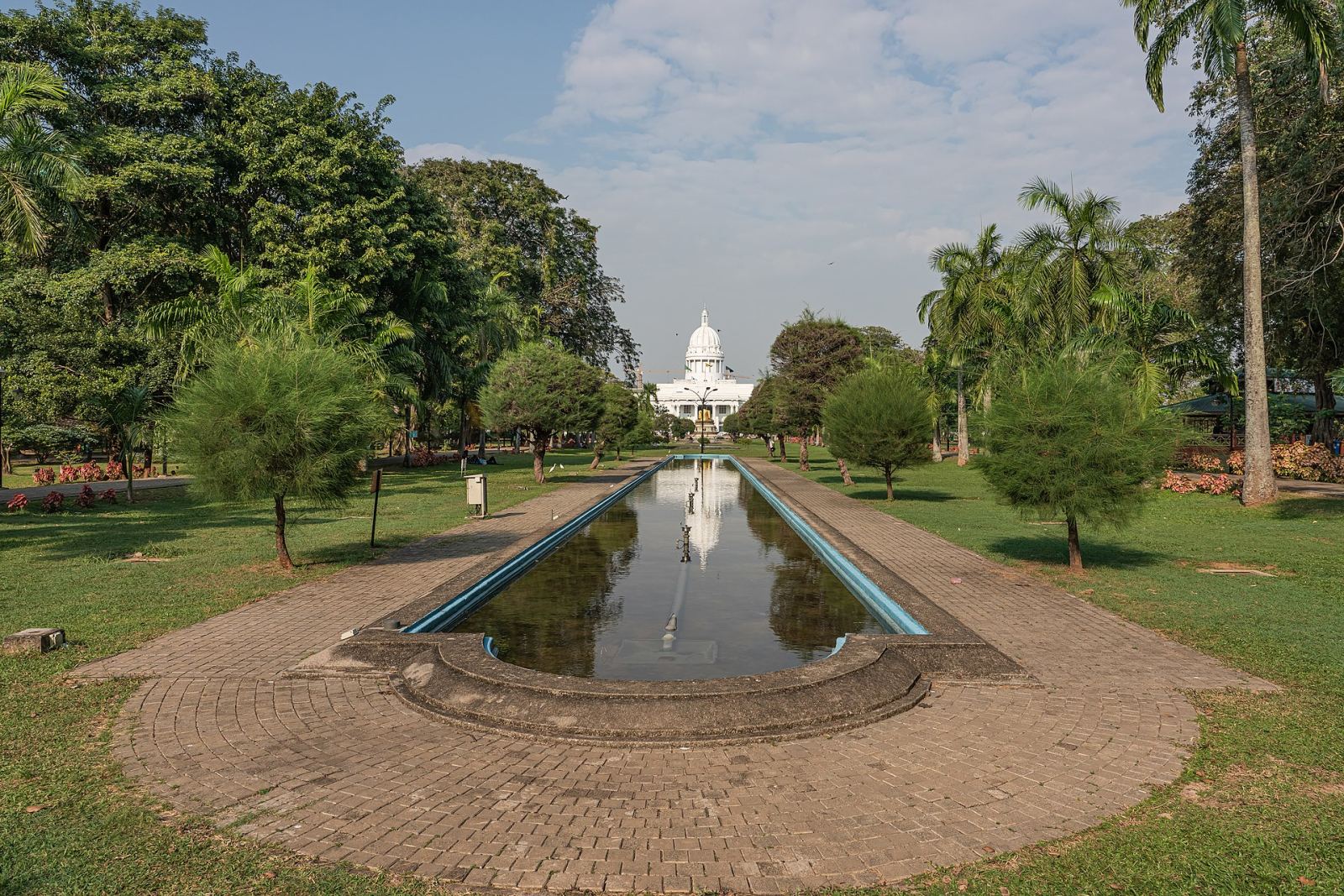
Gangaramaya Temple and Pettah Market: Two Faces of Old Colombo
One is a working Buddhist temple crowded with an eclectic mix of donated treasures. The other is Colombo's oldest and most chaotic trading district. Together they show a side of the city most beach-focused visitors miss.

Most Colombo itineraries lean heavily on the coastline, but the city's older, denser core — anchored by Gangaramaya Temple and the Pettah trading district — offers a very different, arguably more revealing look at how the city actually functions day to day. Neither site is polished for tourists in the way a resort or beach club is, and that is exactly their appeal.
Gangaramaya Temple
Gangaramaya is one of Colombo's most significant Buddhist temples, and also one of its most visually eclectic — over more than a century, donations from devotees have filled the complex with an unusually wide mix of objects: Buddha statues in different national styles (Thai, Chinese, Burmese), vintage cars, elephant tusks, antique jewelry, and a working monastic school, all coexisting within the same compound. It functions as both a place of worship and, unofficially, a kind of museum of accumulated devotion.
Shoes and hats must be removed before entering temple buildings, shoulders and knees should be covered, and photography of Buddha statues should never place a person's back to the statue for a photo — a gesture considered disrespectful in Sri Lankan Buddhist custom.
Pettah Market
A twenty-minute drive or a longer walk from Gangaramaya, Pettah is Colombo's oldest commercial district, a dense grid of streets where each block tends to specialize in a particular category of goods — one street for textiles, another for electronics, another for spices and dried goods. It is loud, crowded, and largely unfiltered for tourism, which is precisely what makes it interesting: this is where much of Colombo actually shops.
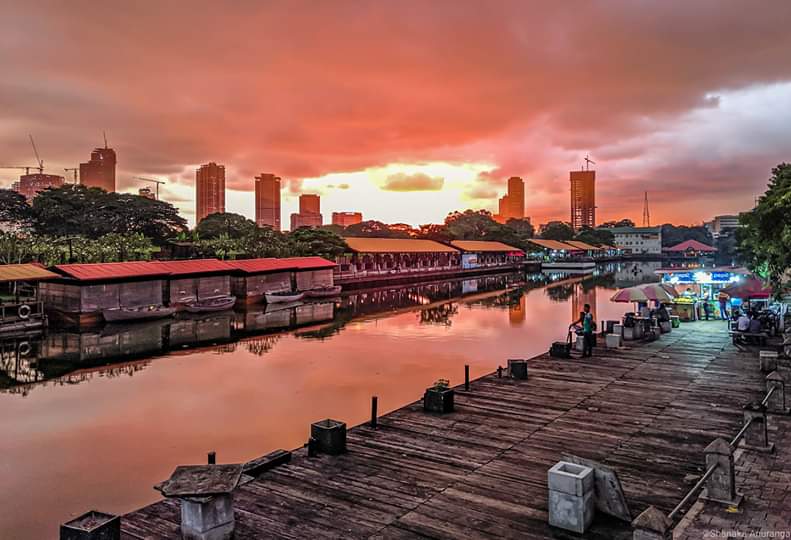
The Pettah Floating Market, a newer addition built on a reclaimed section of the Beira Lake canal, offers a calmer, more organized alternative if the density of the main Pettah streets feels overwhelming — vendors sell produce, spices, and souvenirs from stalls built to resemble a floating bazaar, with considerably more breathing room than the older streets nearby.
Planning the day
Getting around and staying nearby
Both sites sit within Colombo's central districts, making them easy to combine with a single day's taxi or tuk-tuk hire. If you would rather join a guide who can explain the temple's history and navigate Pettah's market layout, city walking tours covering both areas are listed on Viator's Colombo tours page.